Clay Ketter
Born in Brunswick, Maine, USA, 1961
Lives and works in Malmö, Sweden
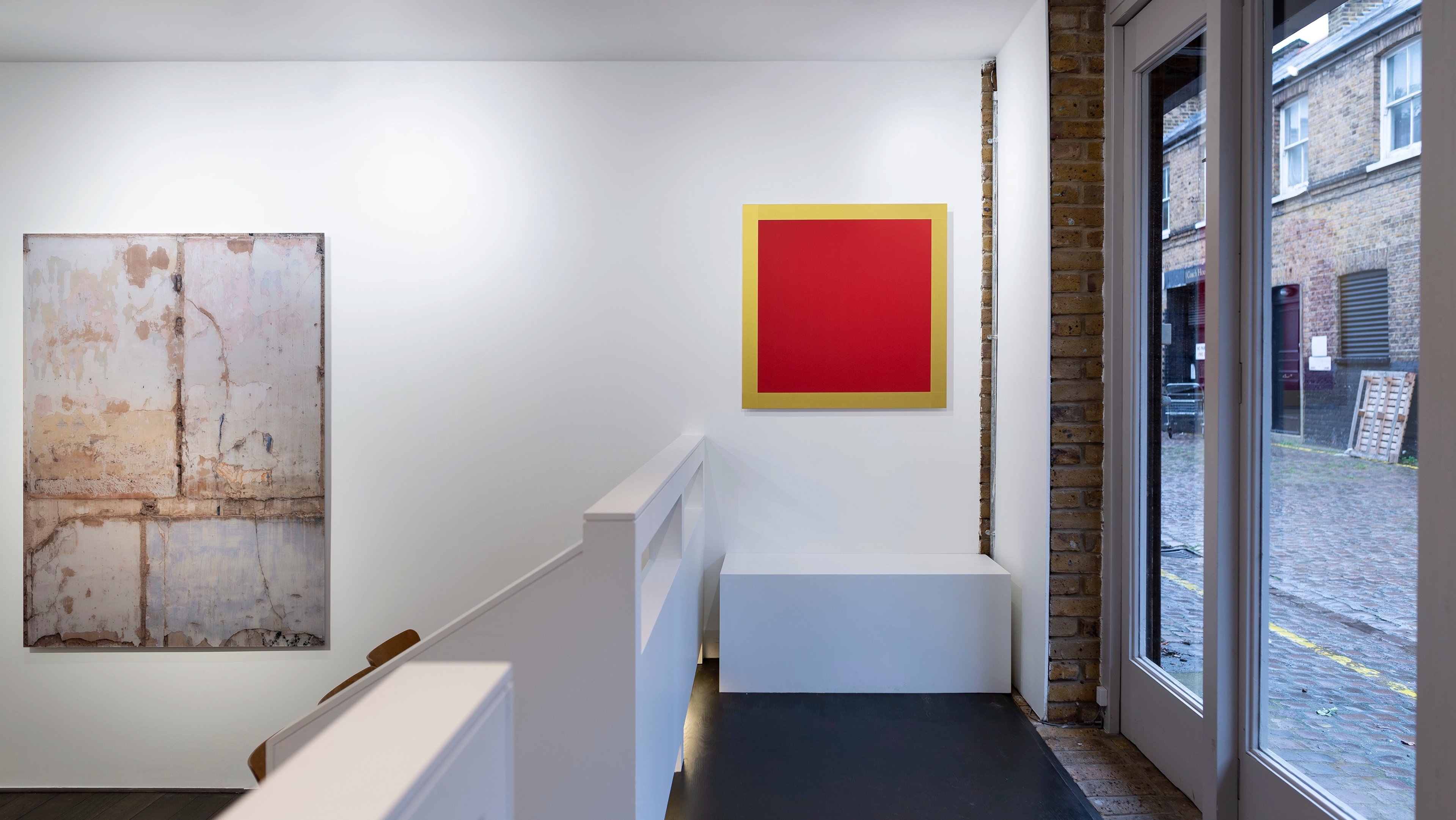
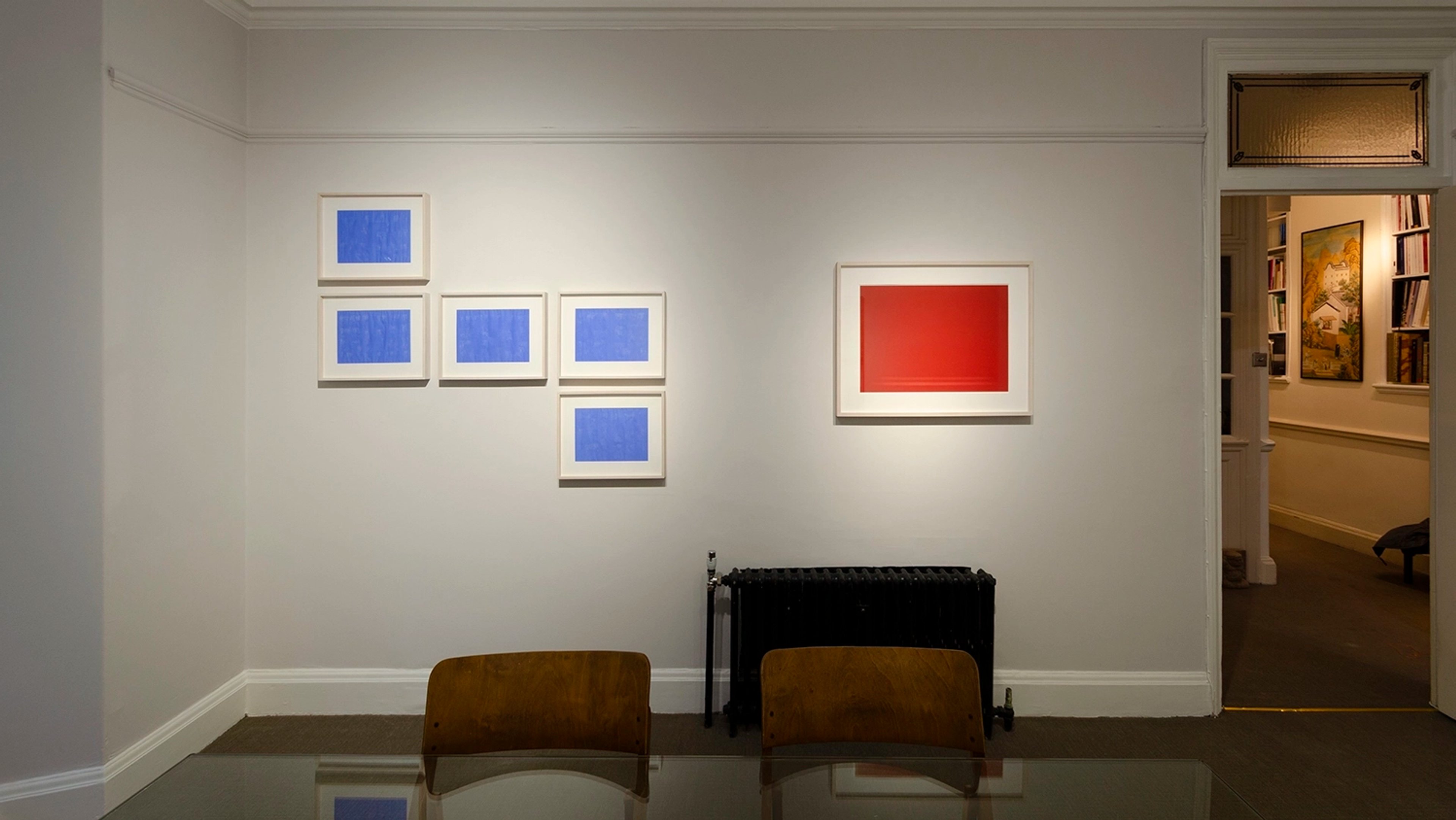
Clay Ketter first came to prominence in the 1990s with his Wall Paintings, a body of work that brought the language of construction directly into the space of painting. Made from plasterboard, joint compound, screws and other building materials, these works occupy a precise and deliberately unsettled position between abstract painting, sculpture and fabricated readymade. They are paintings that look like walls, yet they are also less finished, less resolved, than the walls on which they hang.
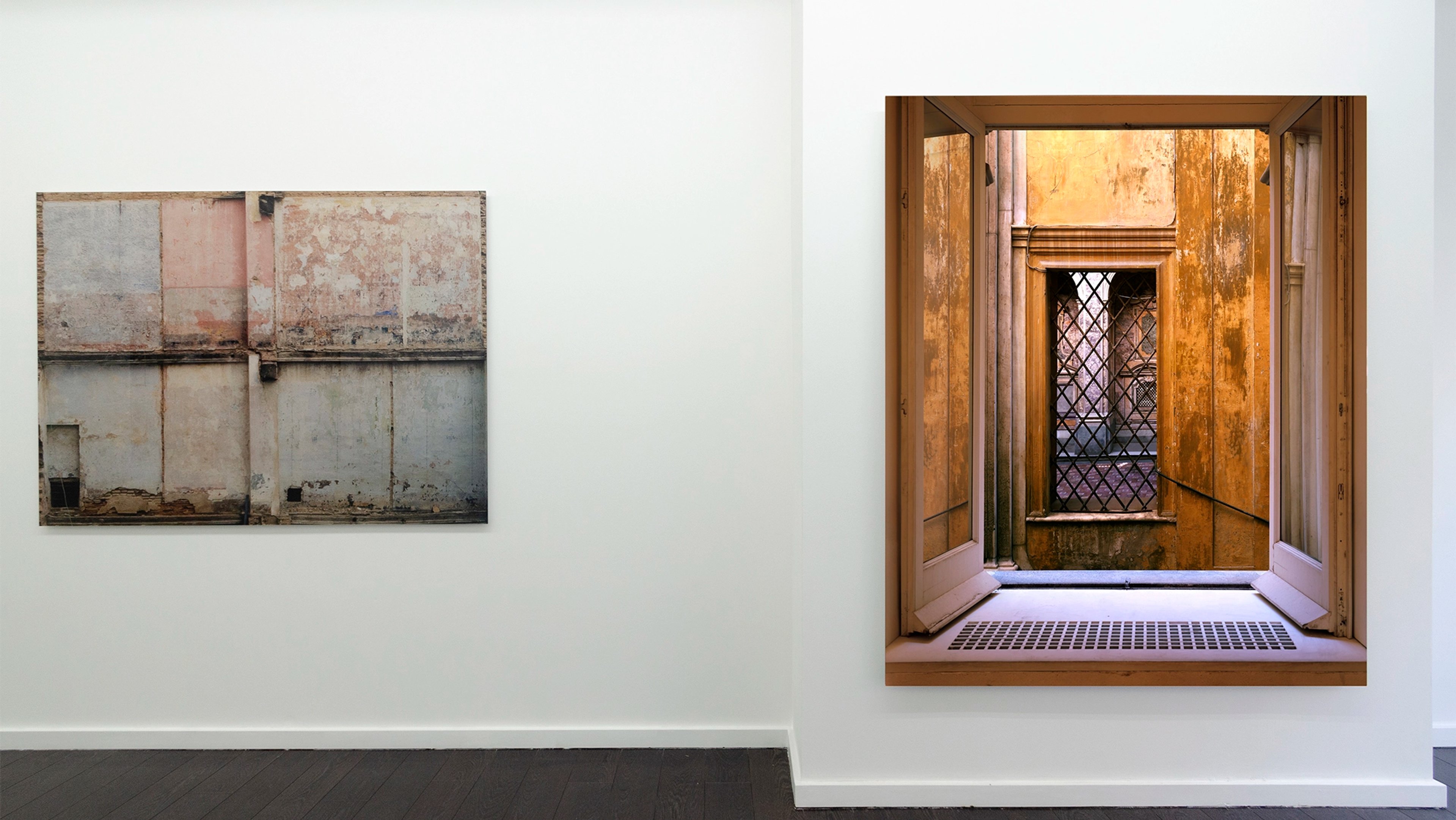
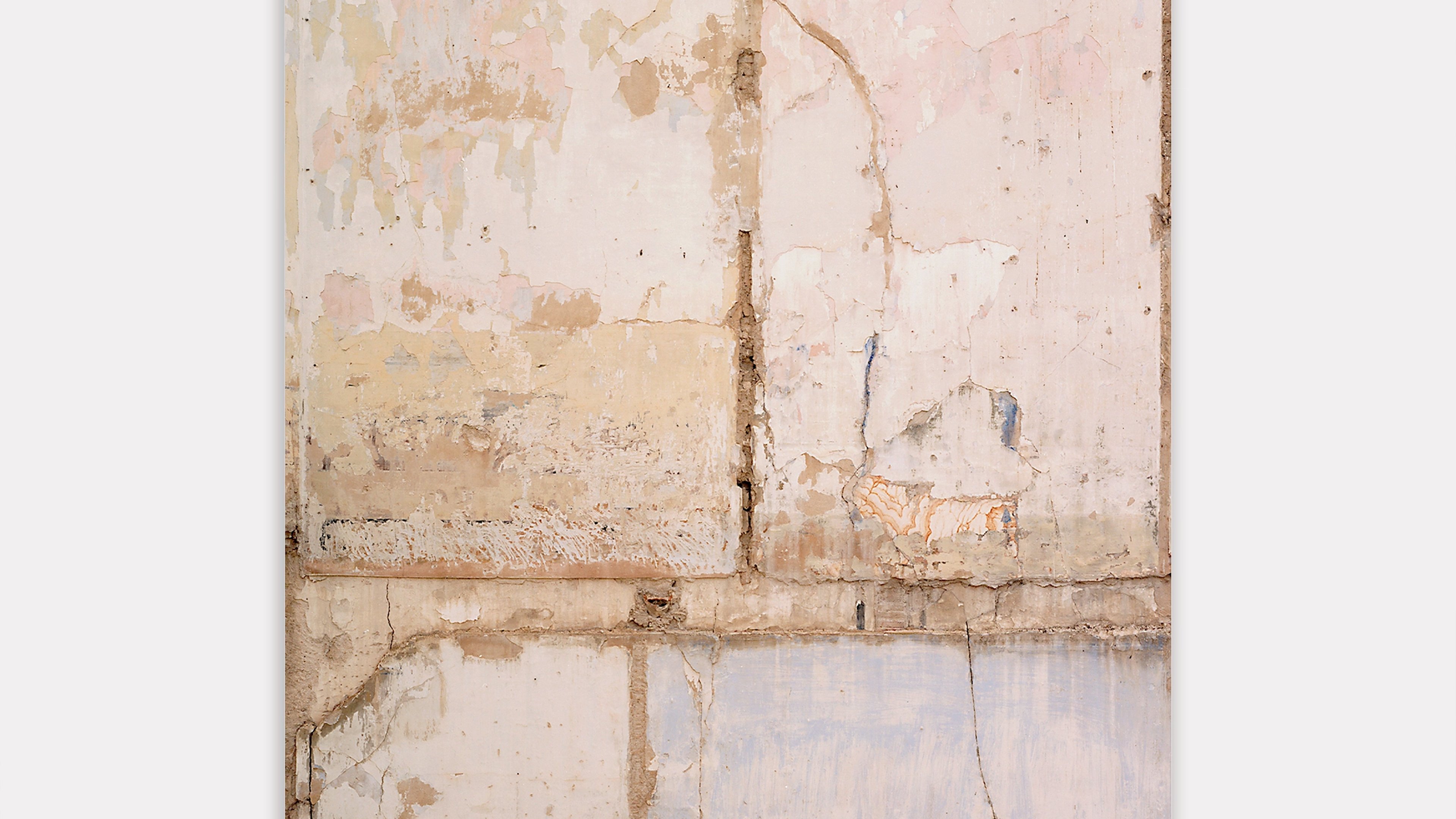
This ambiguity remains central to Ketter’s practice. In the related Trace Paintings, begun in 1995, the surface appears to bear the residue of previous use: the outline of wallpaper, shelving, wiring or domestic repair. What at first seems familiar becomes uncertain. The viewer is left questioning whether they are looking at an actual architectural surface, an image of one, or an object that quietly collapses the distinction between the two.
Ketter’s work grows out of an American tradition of post-war abstraction, from Abstract Expressionism through Minimalism, but it is never purely formal. His restrained compositions, compressed surfaces and careful material decisions are visually exacting, yet they also carry the memory of labour, habitation and change. Having worked with the materials and methods of building, Ketter brings to art-making a practical understanding of construction, repair and demolition. His works are not simply about architecture as form, but about architecture as lived structure.
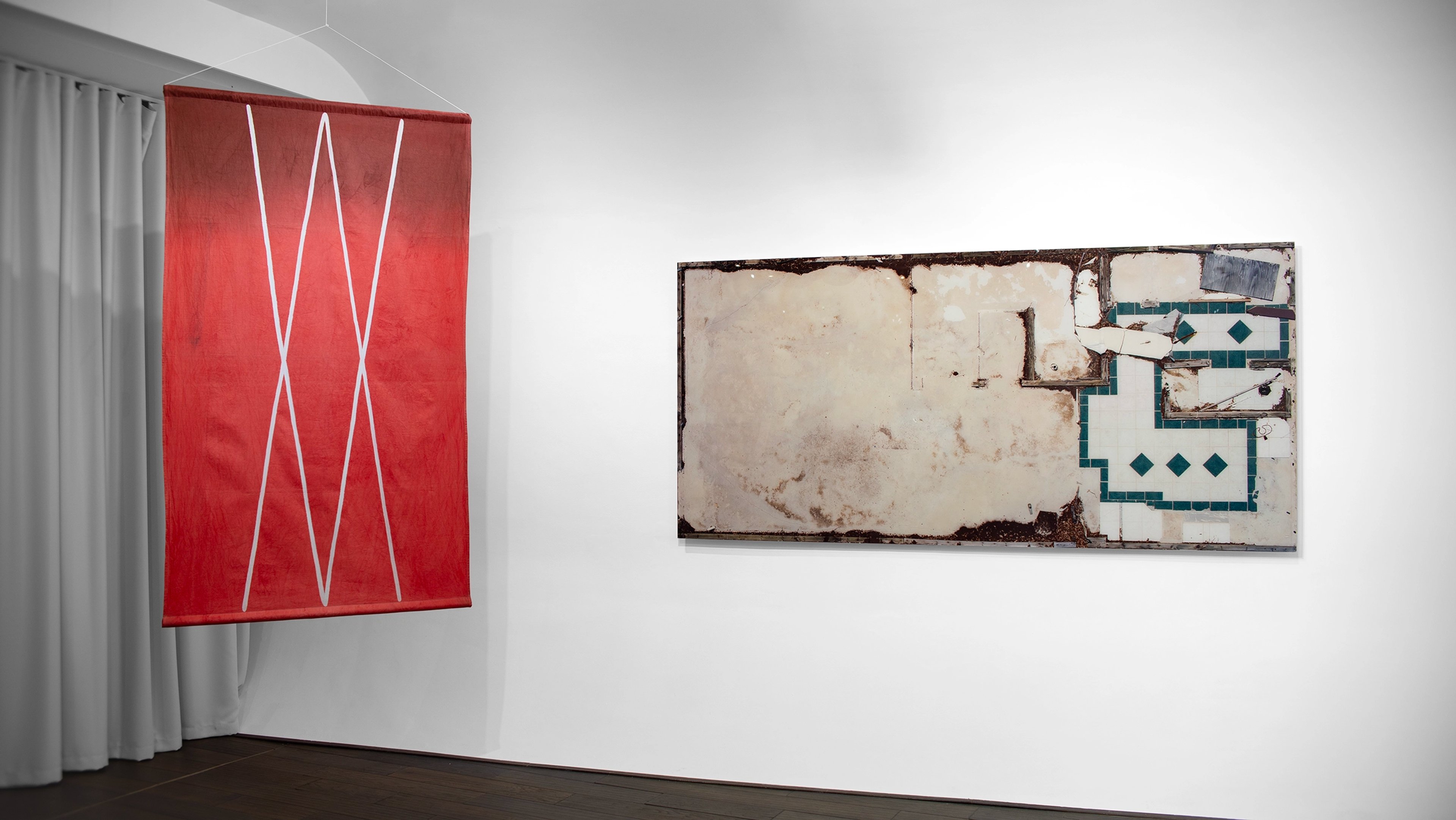
This social dimension becomes more explicit in later series such as Gulf Coast Slabs (2007). Made in the aftermath of Hurricane Katrina, which devastated the American Gulf Coast in 2005, the series records the concrete foundations of homes destroyed by the storm. Photographed from above, these remaining slabs appear almost abstract: blocks of colour, lines, tiles, rooms and thresholds reduced to fragments. Yet their beauty is inseparable from loss. Both brutal and poetic, the works register the point at which domestic architecture becomes evidence, and abstraction becomes a means of confronting damage, displacement and vulnerability.
Across painting, photography and sculpture, Ketter has developed a practice in which material precision and human consequence are closely intertwined. His work is terse, often understated, and visually compelling, but beneath its formal clarity lies a persistent concern with the unstable relationship between place, memory and the structures we build around ourselves.
Biography
Clay Ketter was born in Brunswick, Maine, in 1961 and lives and works in Malmö, Sweden. He holds a BFA from the School of Art+Design, Purchase College, New York.
Ketter has exhibited widely since the early 1990s, with solo presentations at institutions and galleries across Europe and the United States, including Moderna Museet, Stockholm; Sonnabend Gallery, New York; Galerie Daniel Templon, Paris; and Bartha Contemporary, London. His work has been included in group exhibitions at the Whitechapel Gallery, London; the Peggy Guggenheim Collection, Venice; the Museum für Moderne Kunst, Frankfurt; and the Saatchi Gallery, London, among others. He has realised public commissions in Sweden, including works for Norrlandsoperan, Umeå, and Tinnerbäcks Public Bath, Linköping.
His work is held in numerous public collections, including Moderna Museet, Stockholm; the Walker Art Center, Minneapolis; the Brooklyn Museum, New York; the Albright-Knox Art Gallery, Buffalo; the Museum of Contemporary Art, Chicago; the Prada Foundation, Milan; the Sonnabend Collection, New York; and the Saatchi Collection, London, among others.
Related Journals
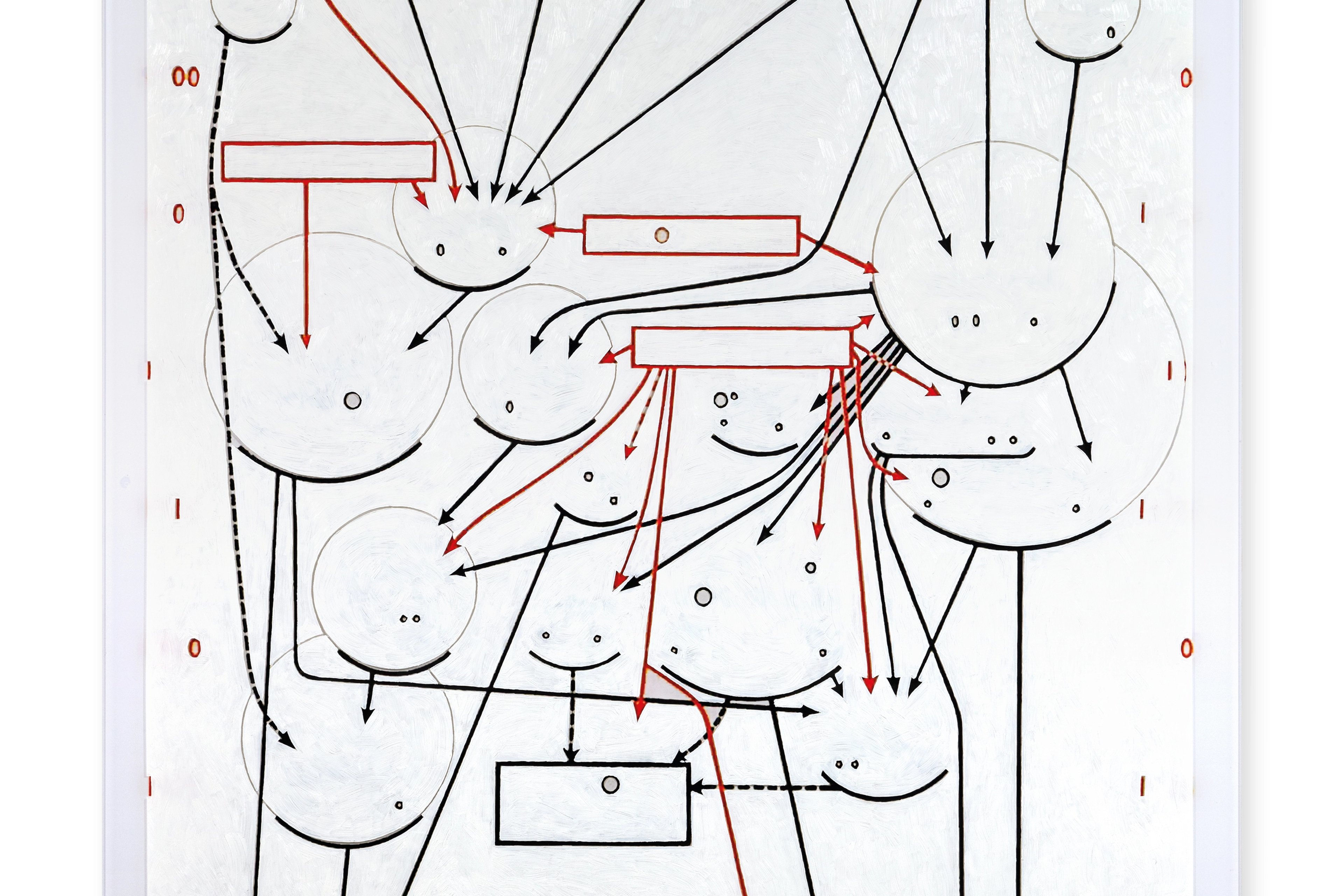

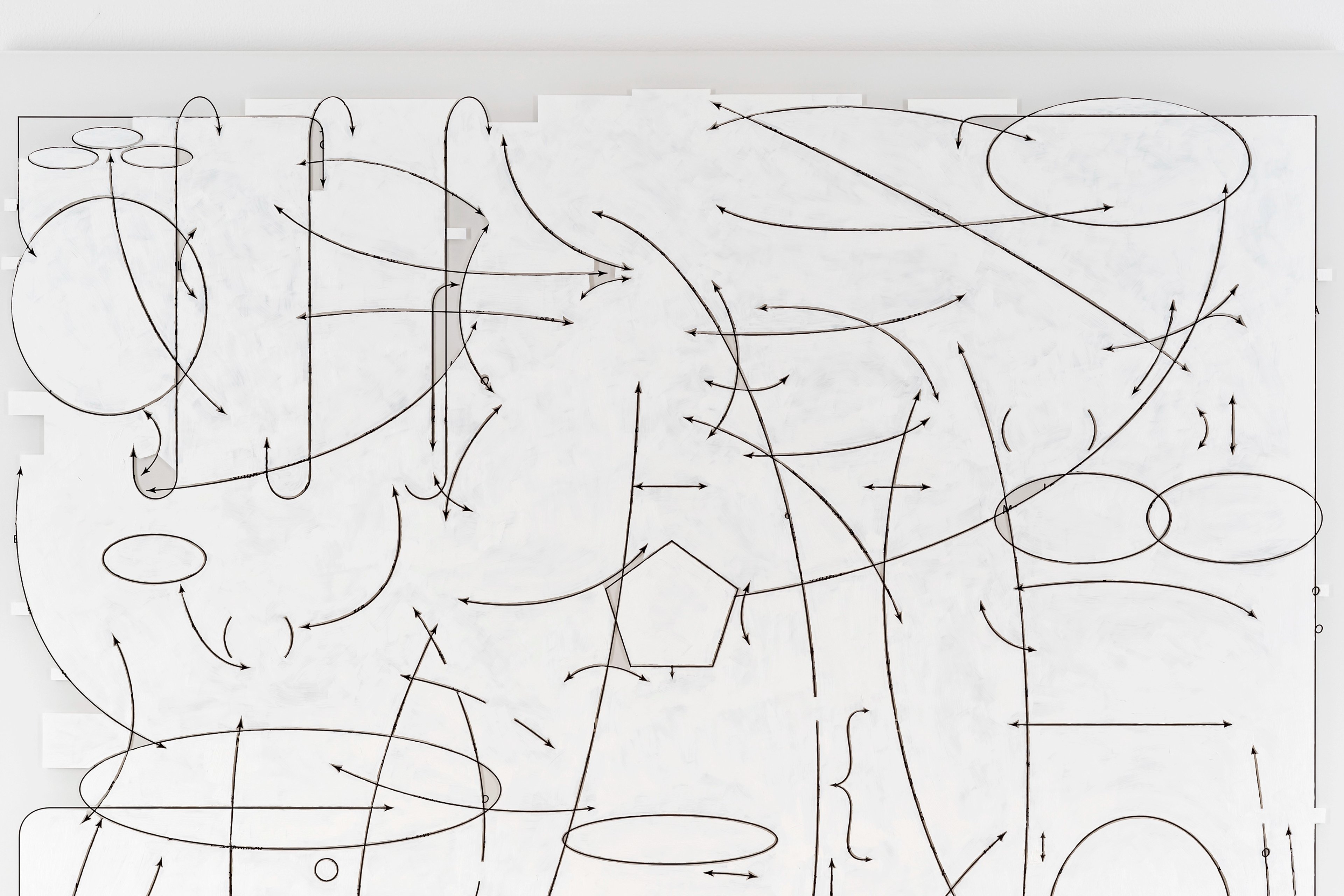
Available Works
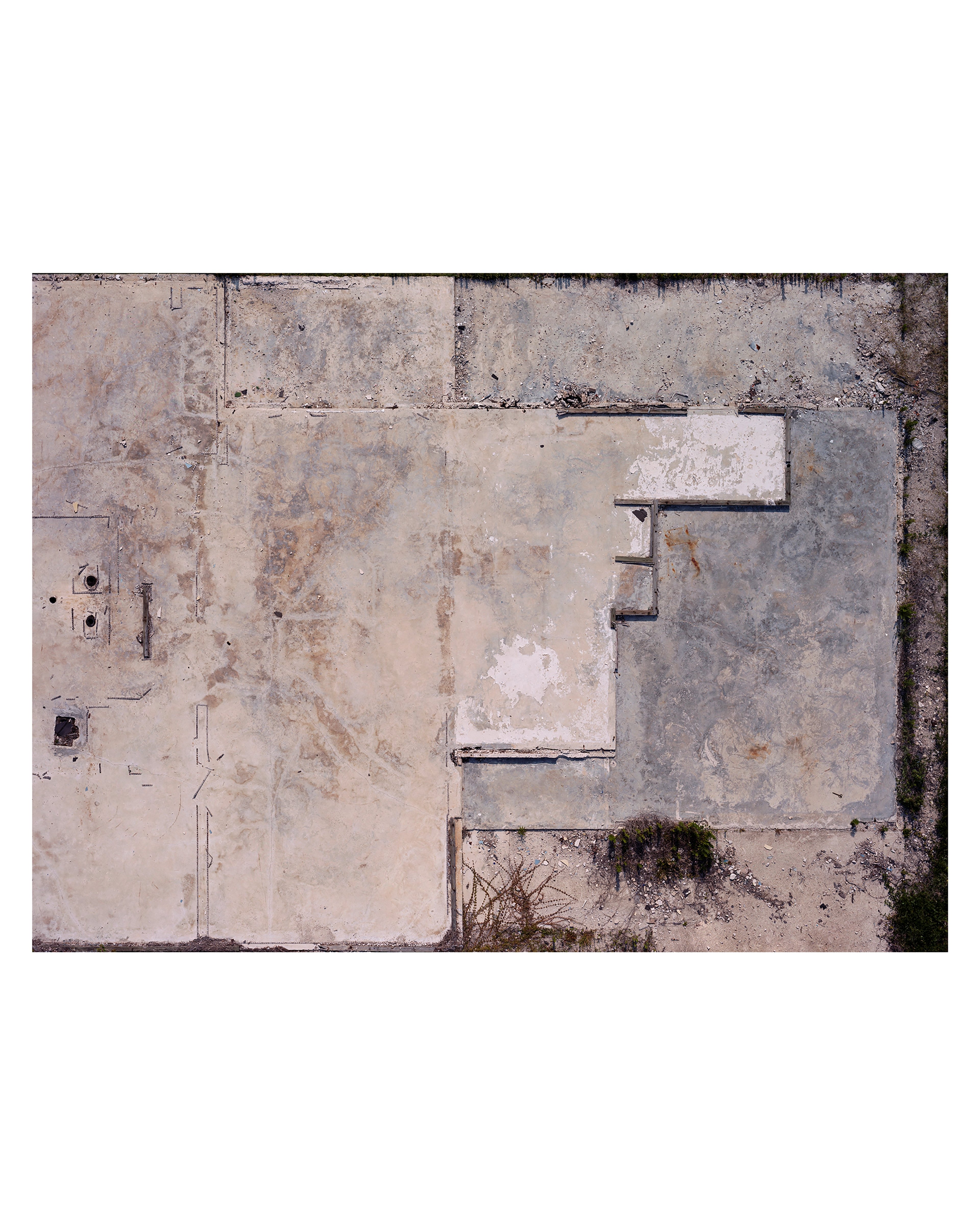
Clay Ketter
Whispering Pines Drive, 2007
C-Print Diasec (unique)
178 × 240 cm
70 ⅛ × 94 ½ in
Price on request
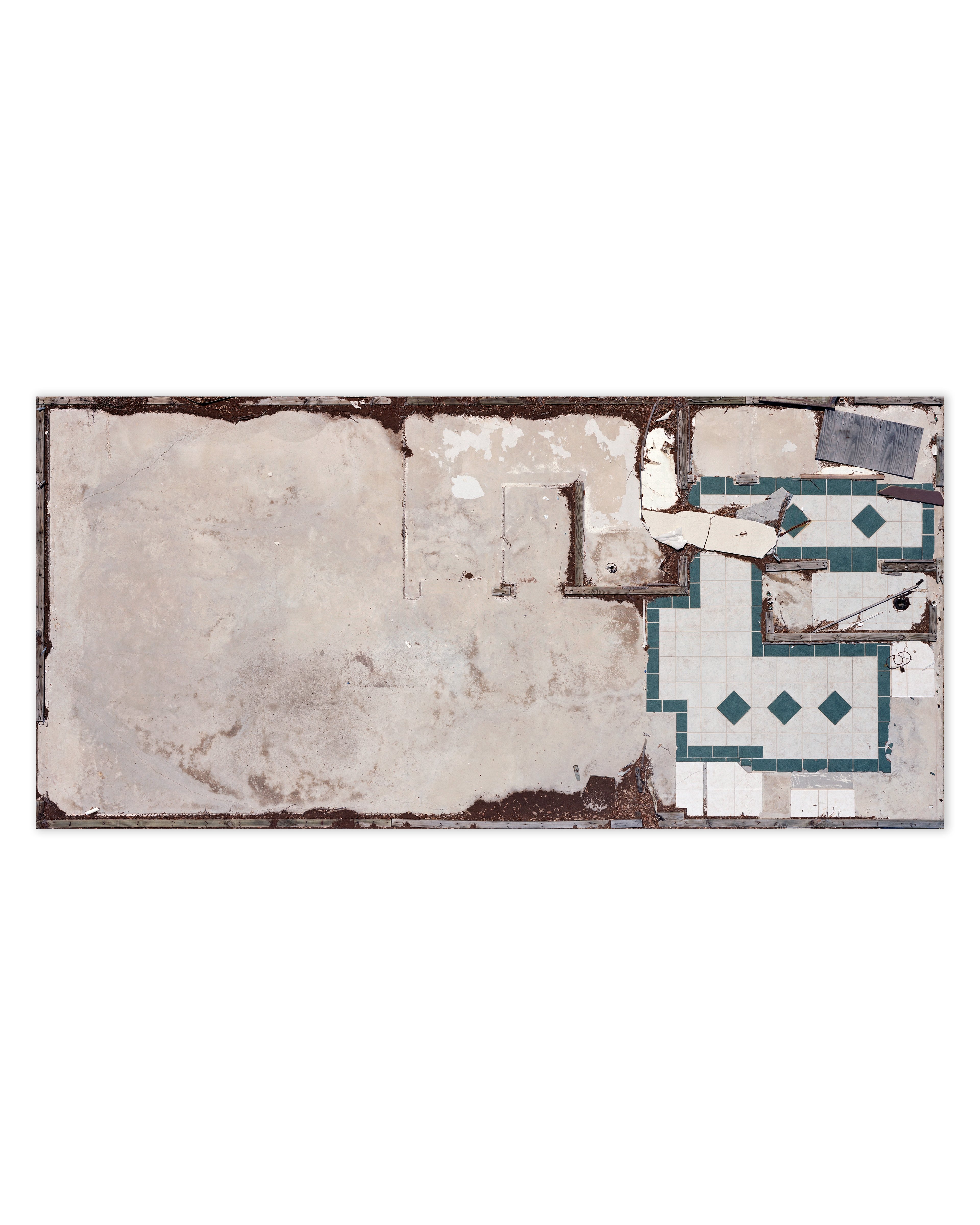
Clay Ketter
Bayview 4B, 2007
C-Print Diasec
120 × 252 cm
47 ¼ × 99 ¼ in
Price on request
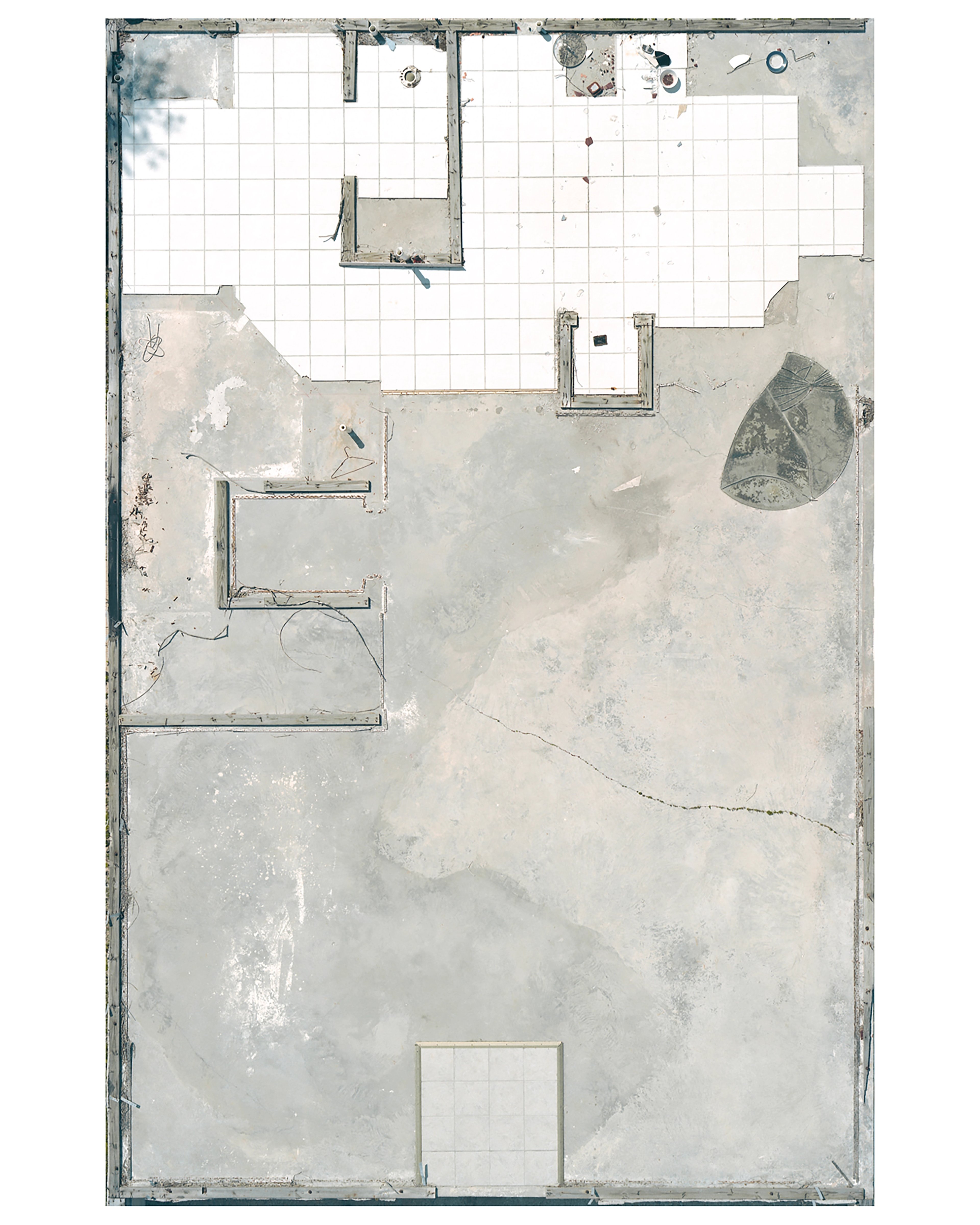
Clay Ketter
Buena Vista 1, 2007
C-Print Diasec
178 × 118 cm
70 ⅛ × 46 ½ in
Price on request
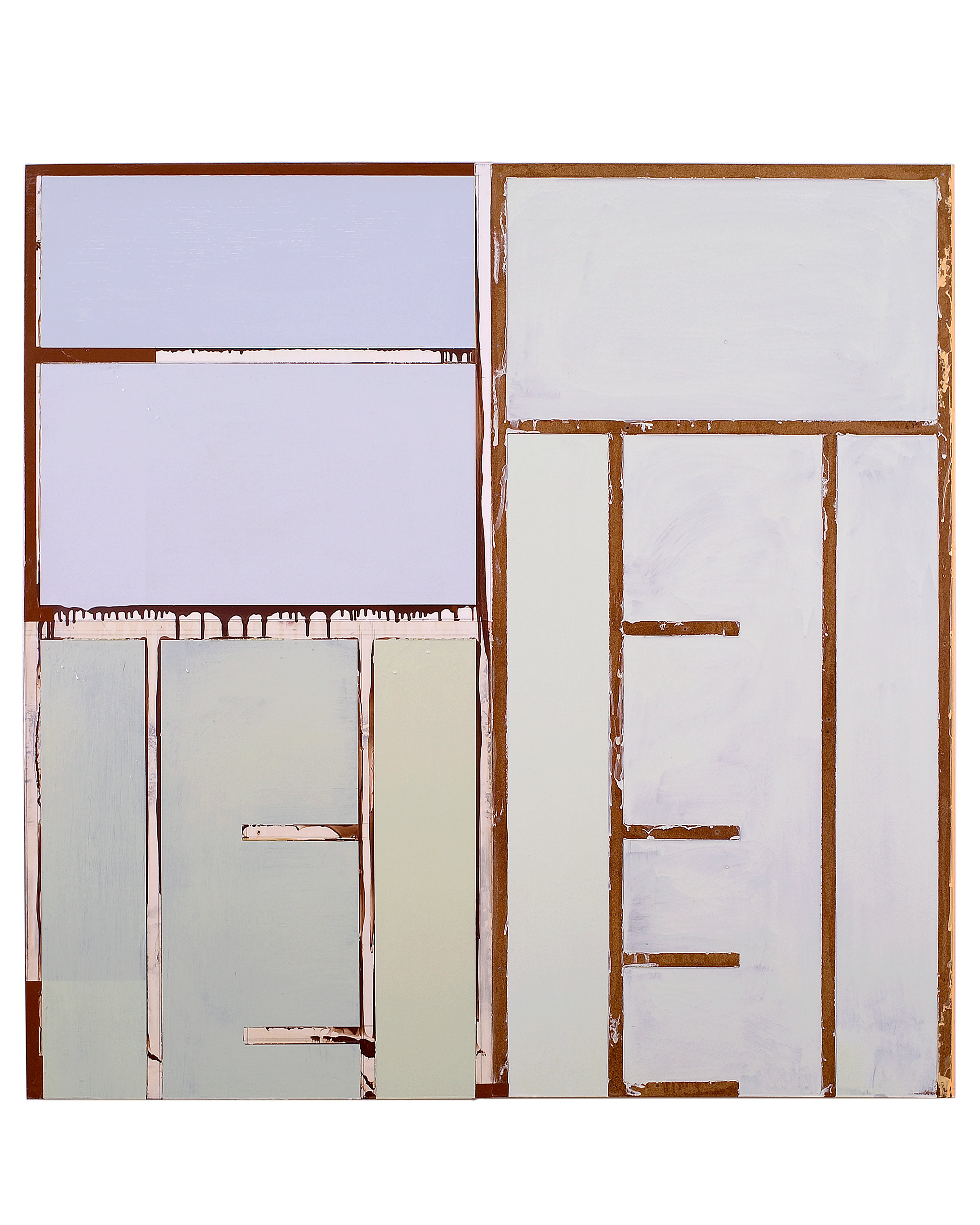
Clay Ketter
Astrid Reinforced, 2001
Household enamel paint, wallpaper, wallboard compound, masonite, gypsum wallboard, steel corner bead, wood frame
120 × 120 cm
47 ¼ × 47 ¼ in
Price on request
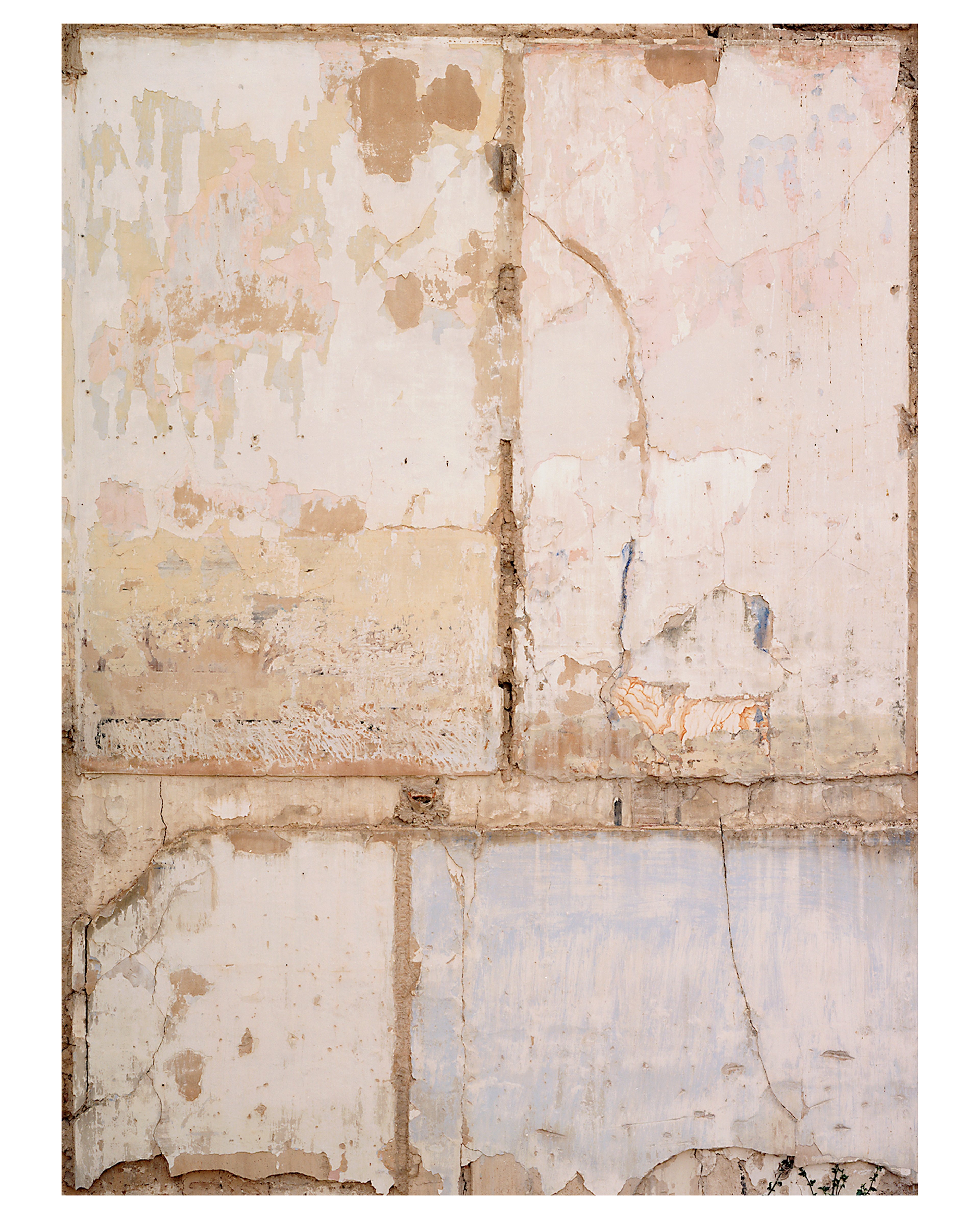
Clay Ketter
Camarón, 2005
Diasec-mounted C-print
175 × 127 cm
68 ⅞ × 50 in
Price on request
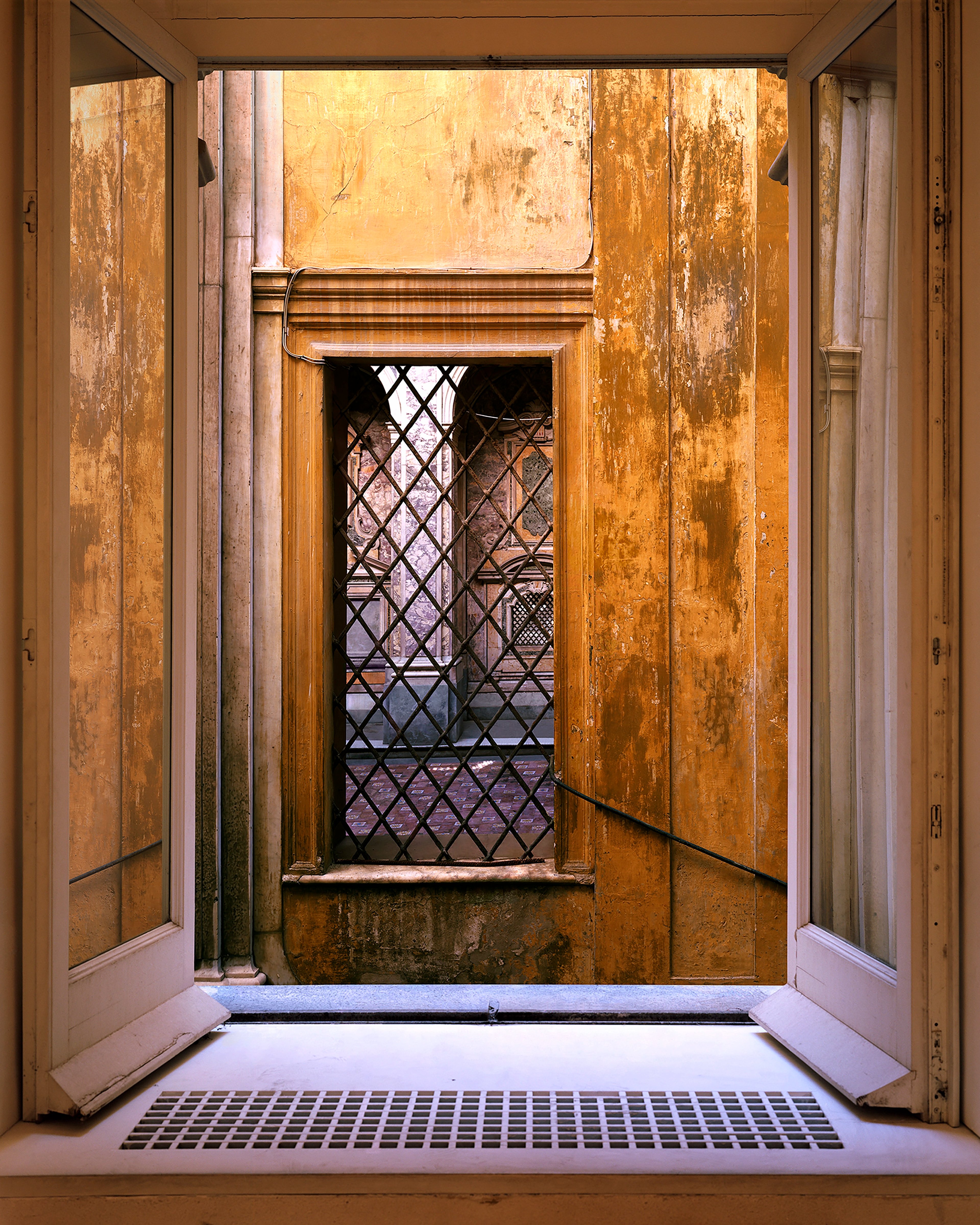
Clay Ketter
Madre Veduta 1, 2011
Diasec-mounted light-jet print
184 × 150 cm
72 ½ × 59 in
Price on request
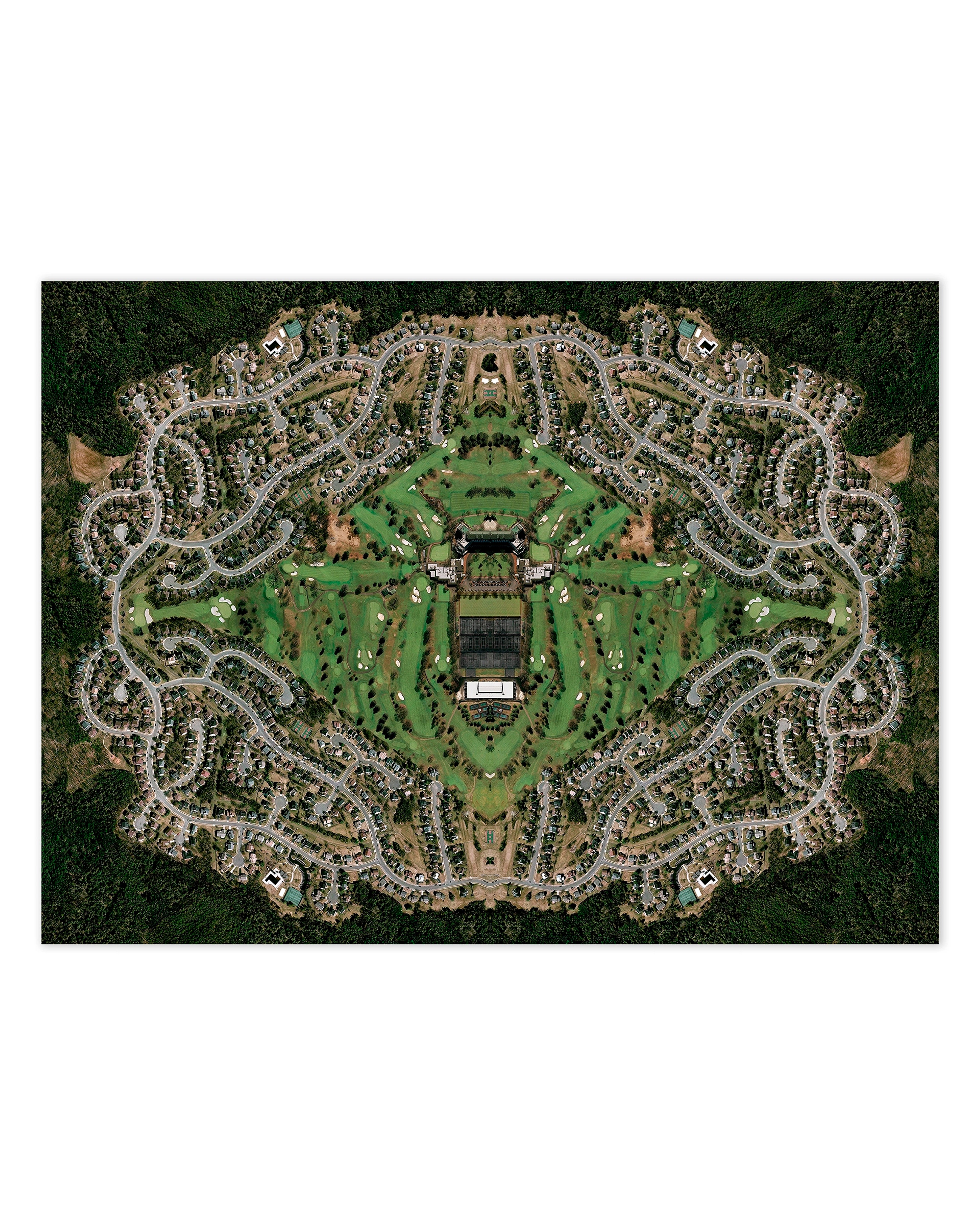
Clay Ketter
Spider Woods, 2010
C-Print Diasec
180 × 243 cm
70 ⅞ × 95 ⅝ in
Price on request
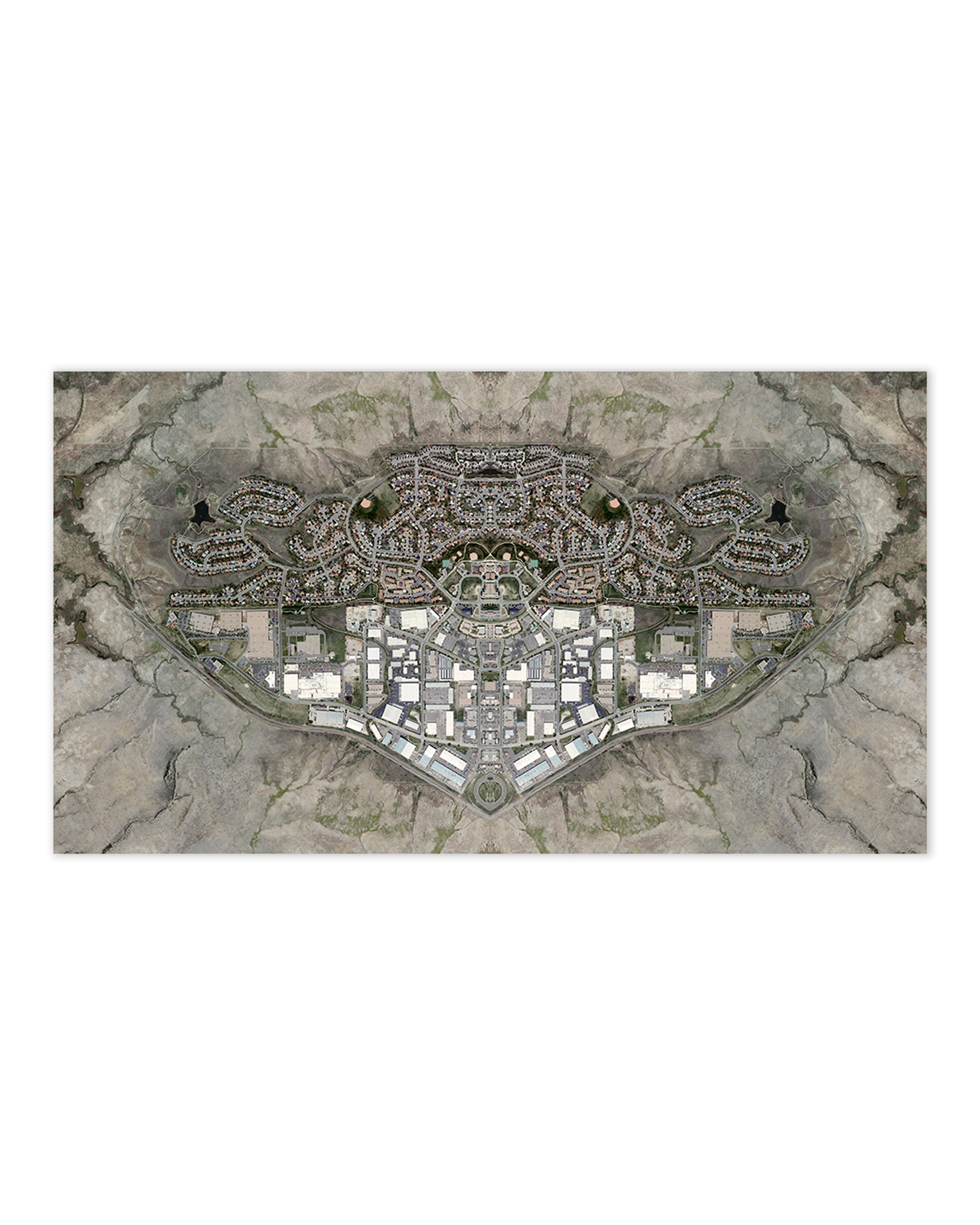
Clay Ketter
Leviathan, 2010
C-Print Diasec
180 × 326 cm
70 ⅞ × 128 ⅜ in
Price on request
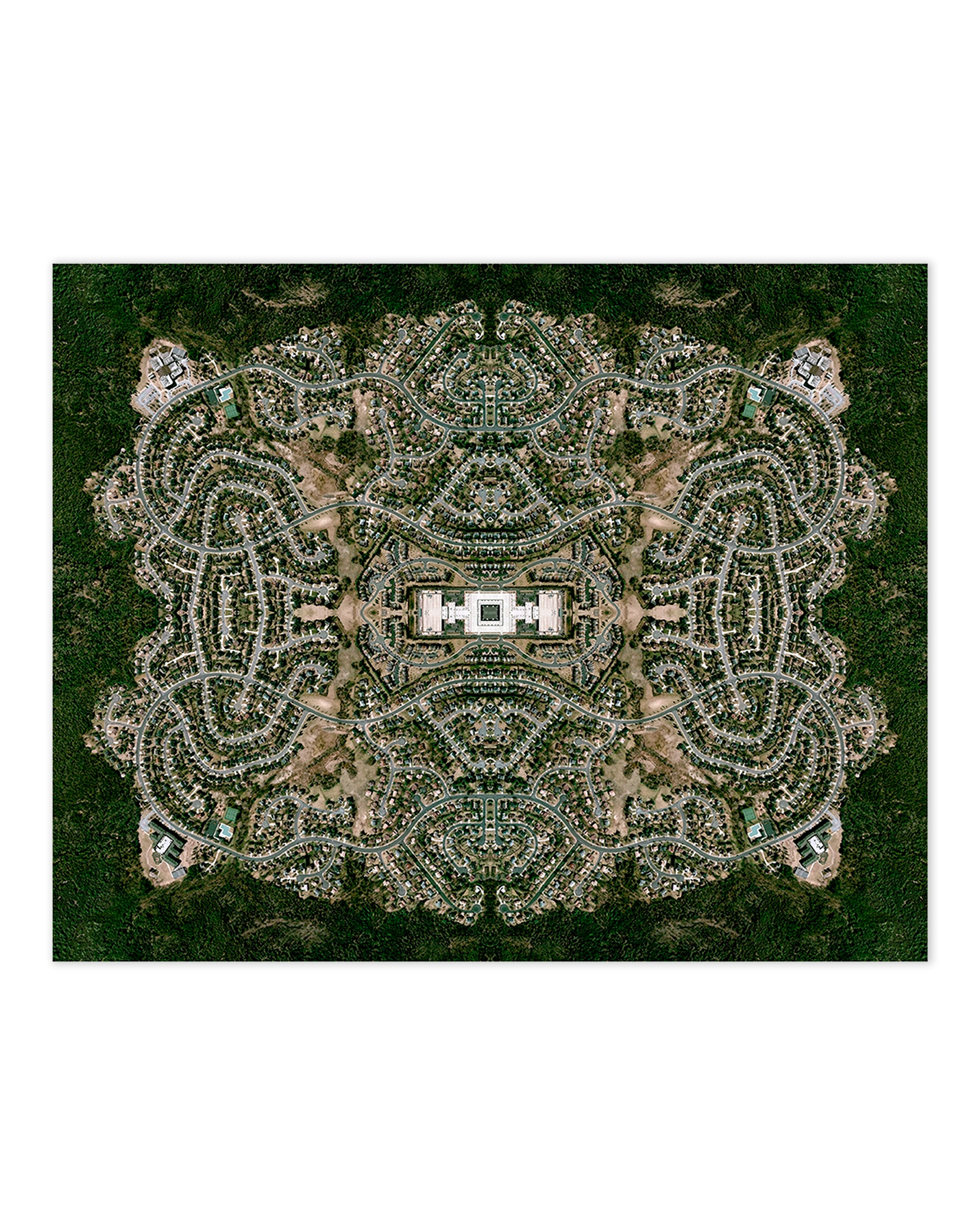
Clay Ketter
The Garden Revisited, 2010
C-Print Diasec
180 × 226 cm
70 ⅞ × 89 in
Price on request