
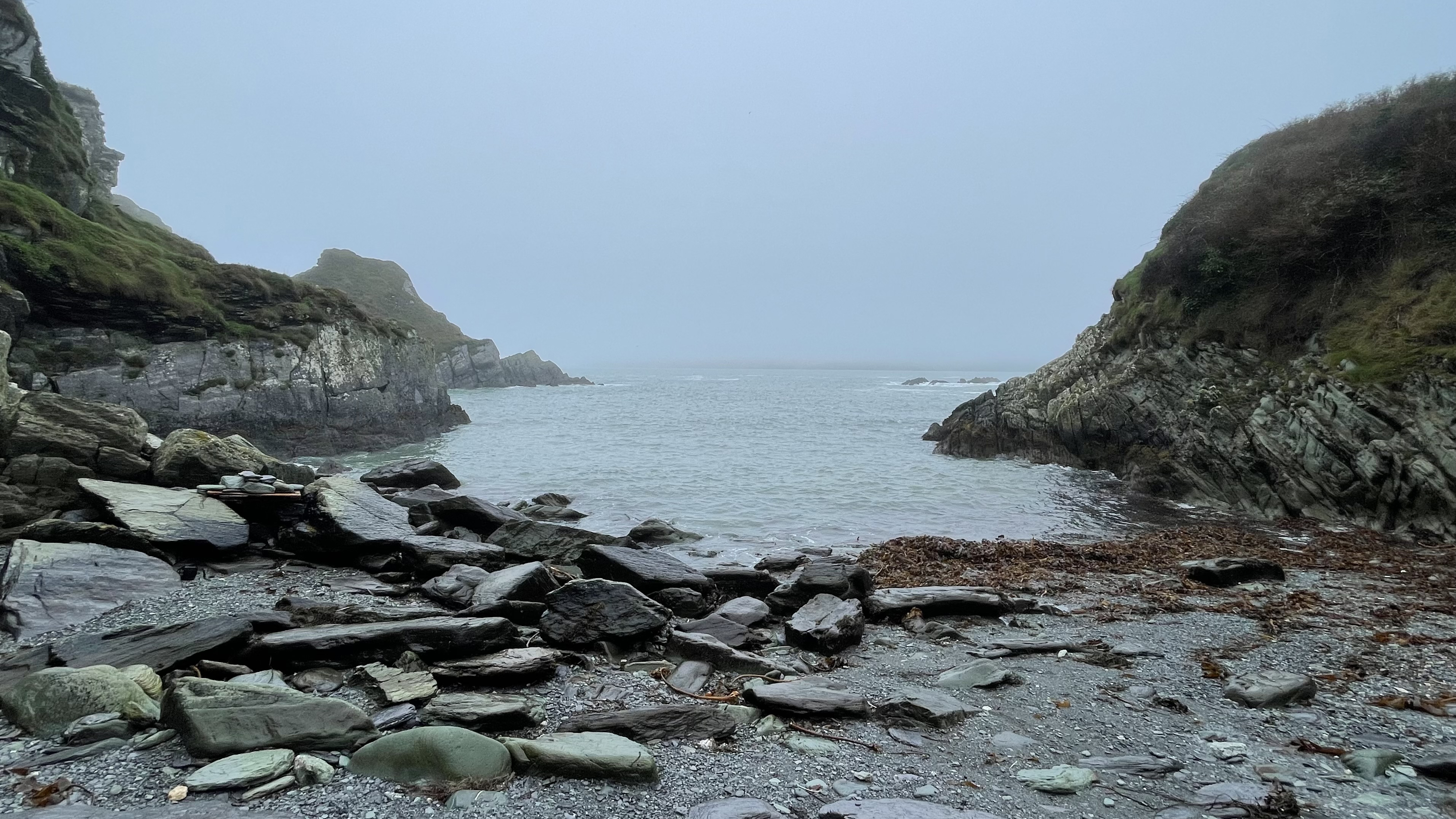
Lucinda Burgess: Prison Cove, Ireland, 2025
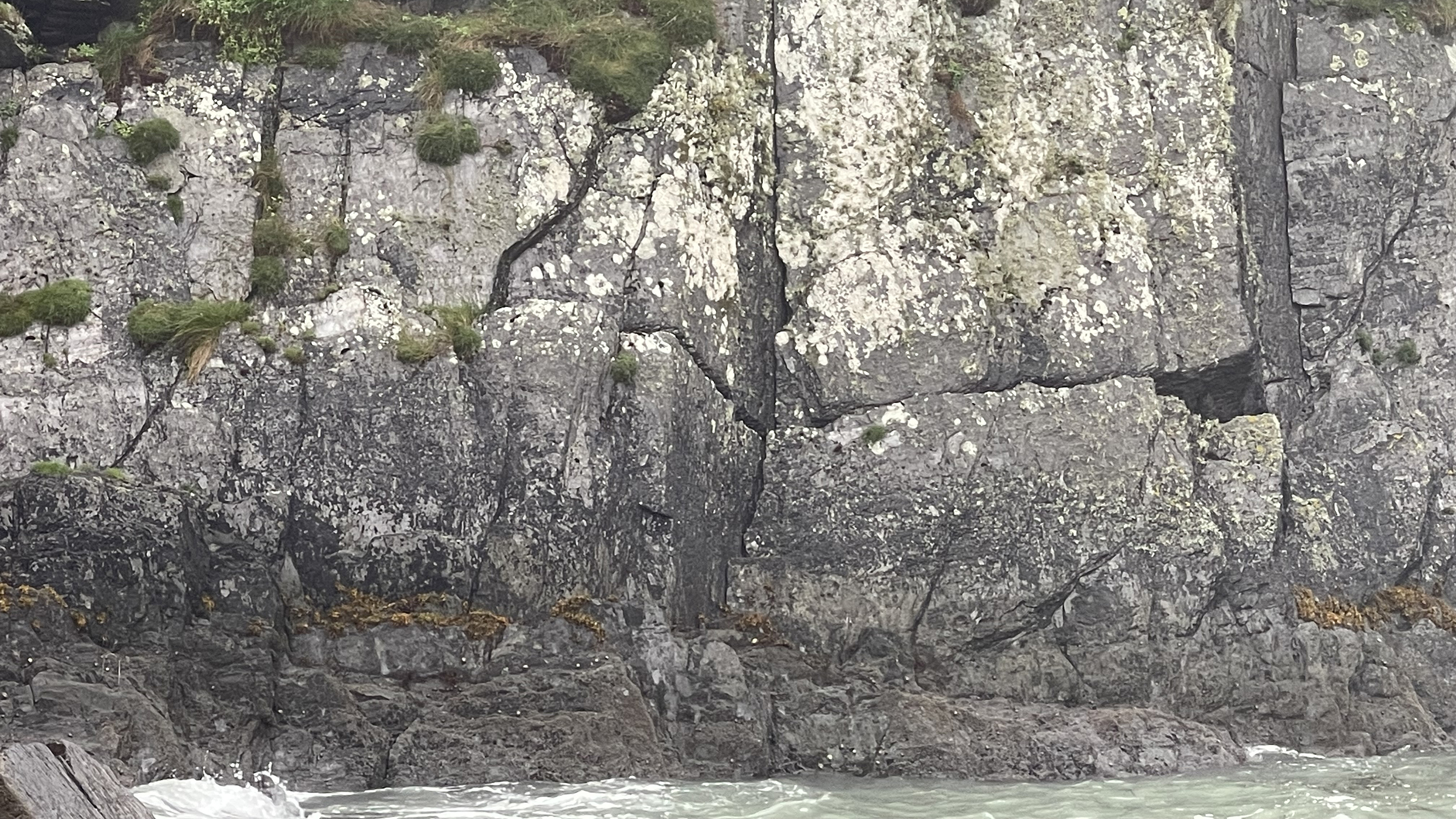
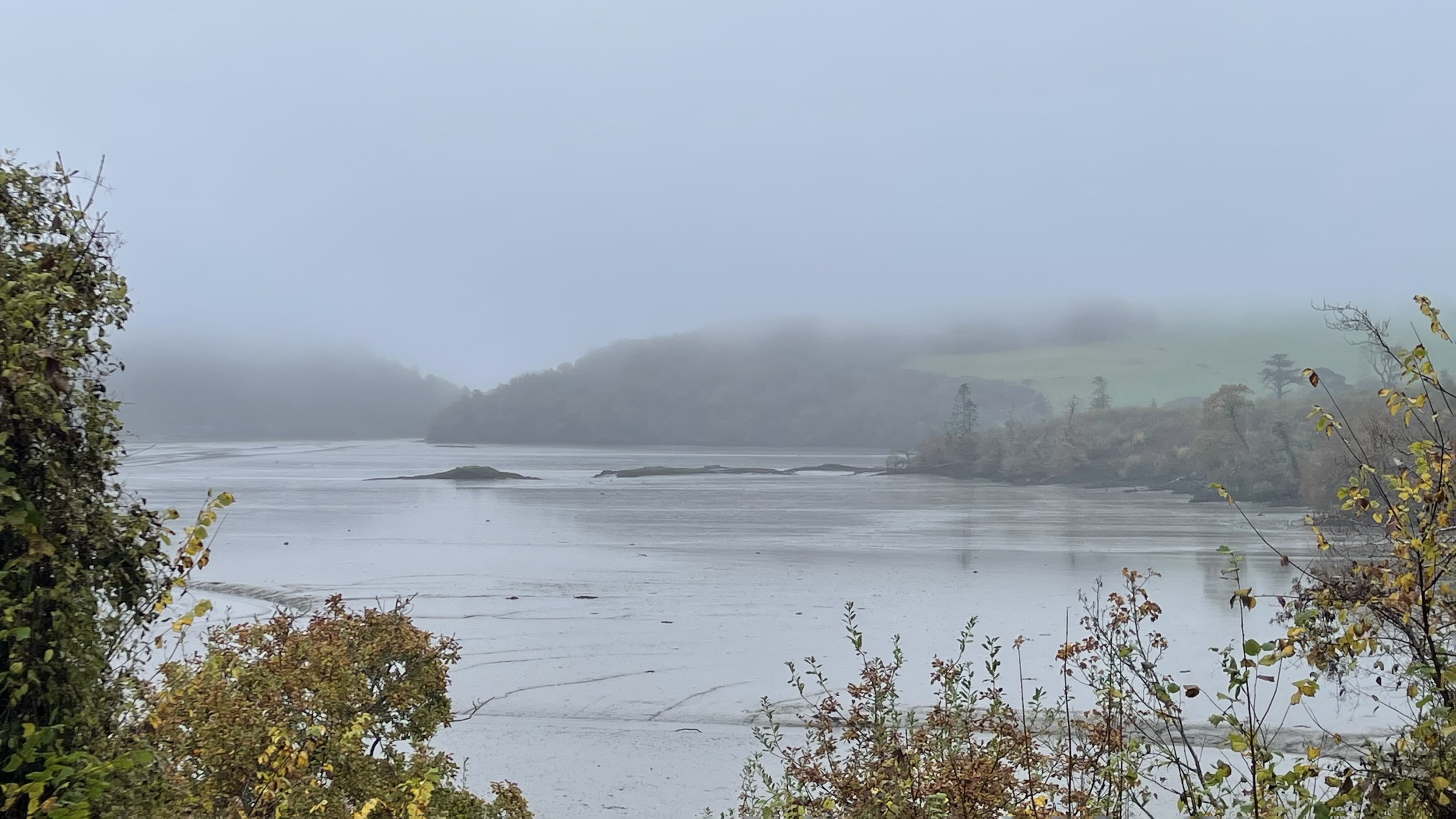
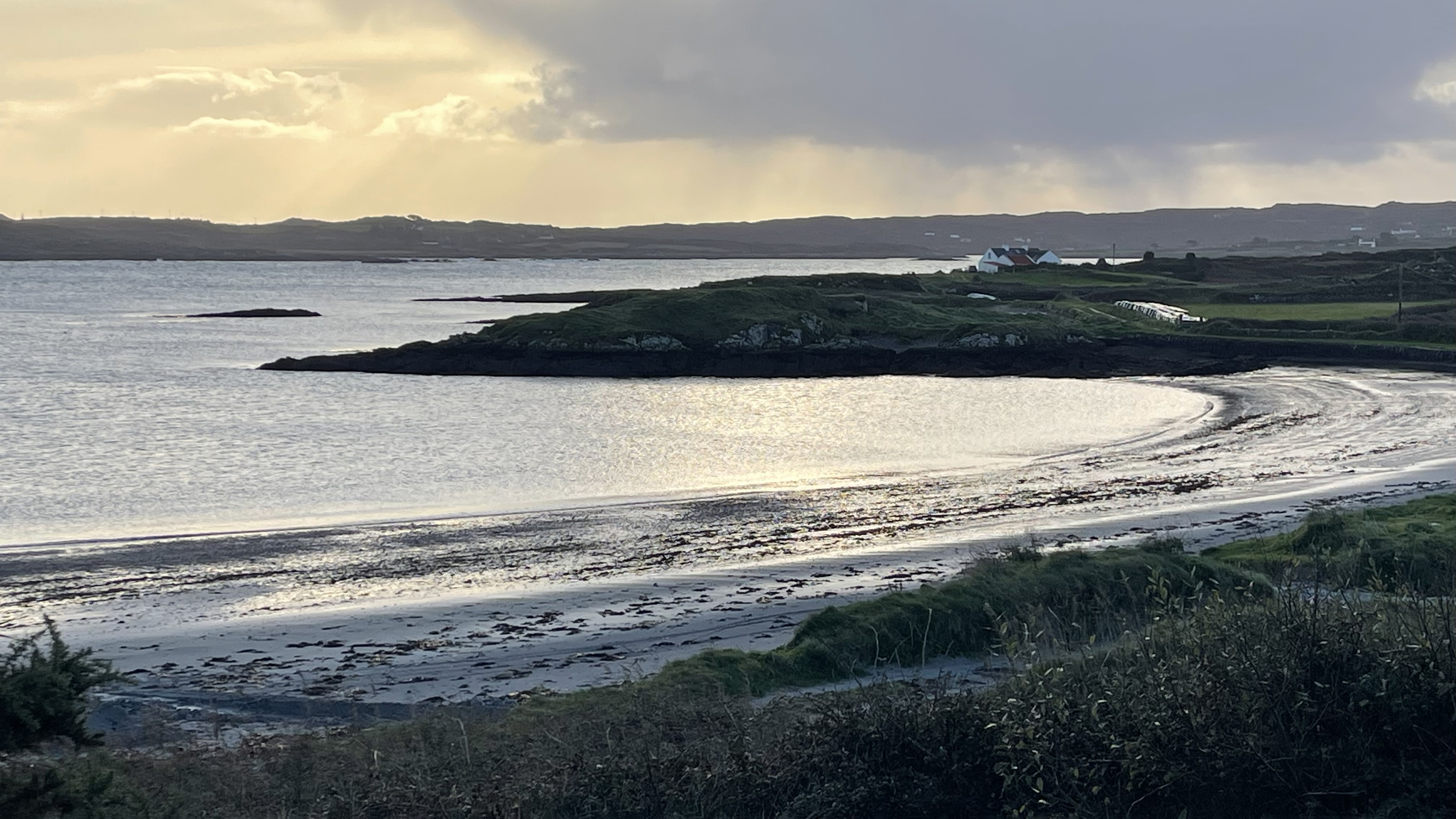
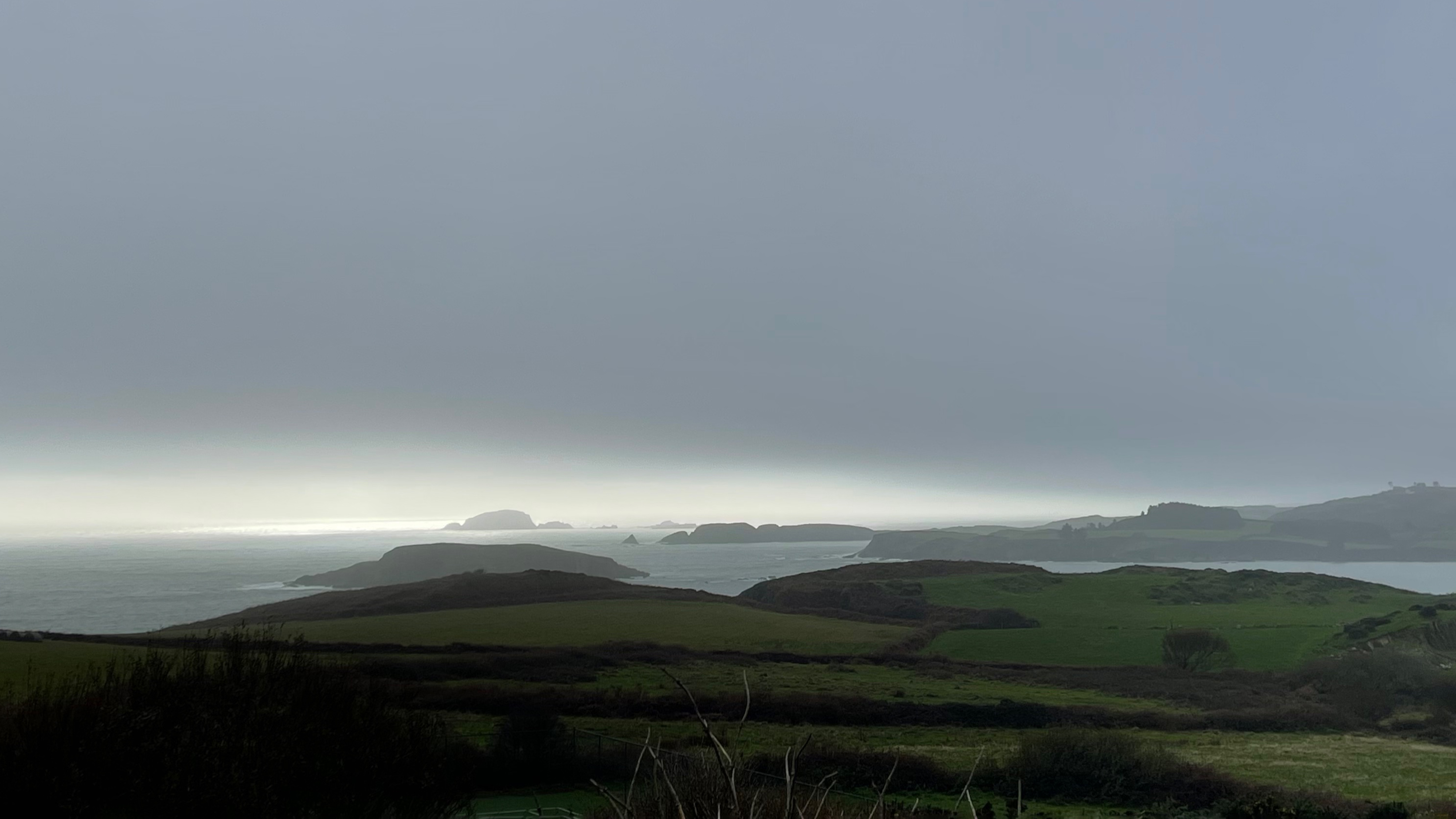
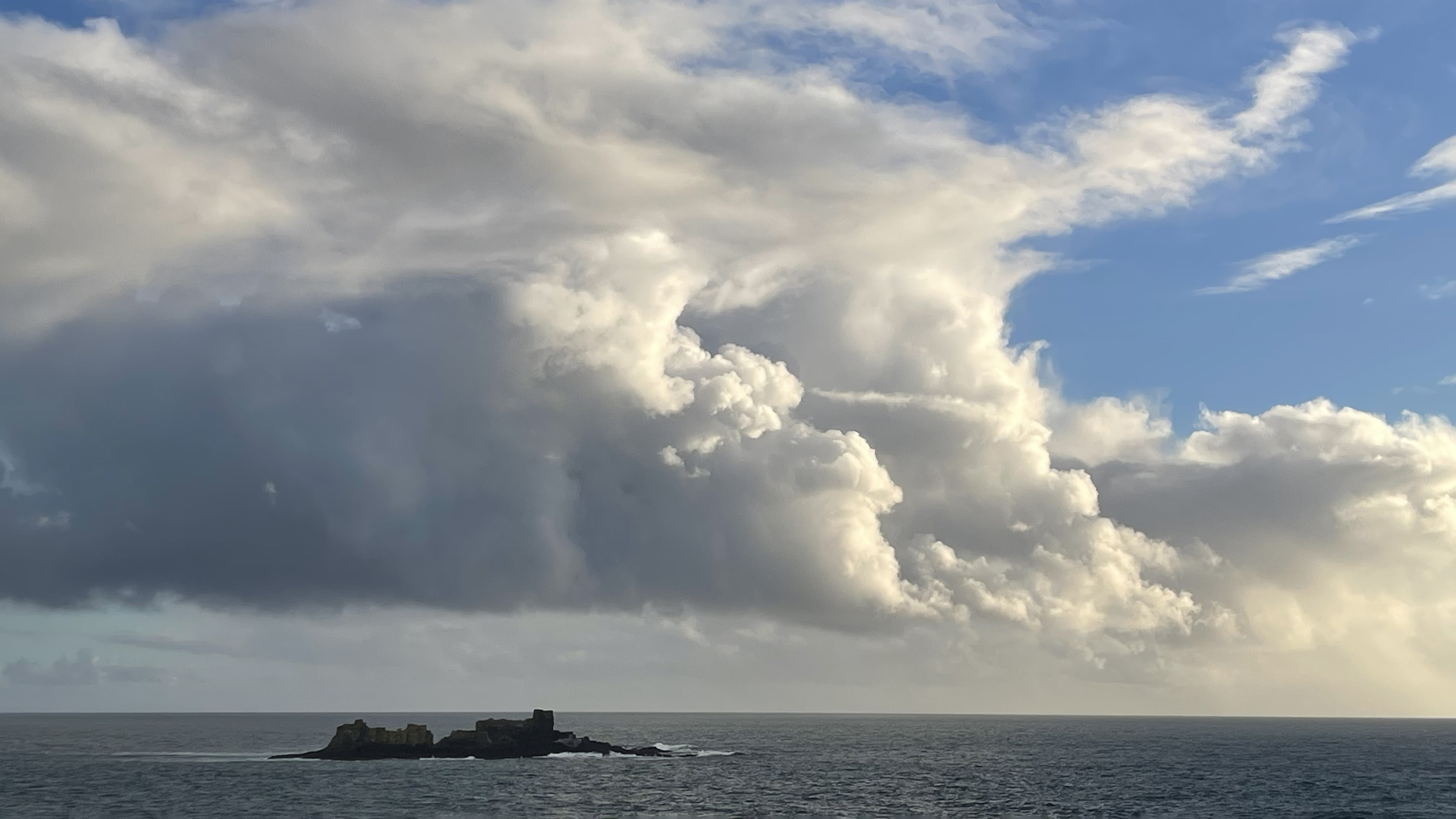
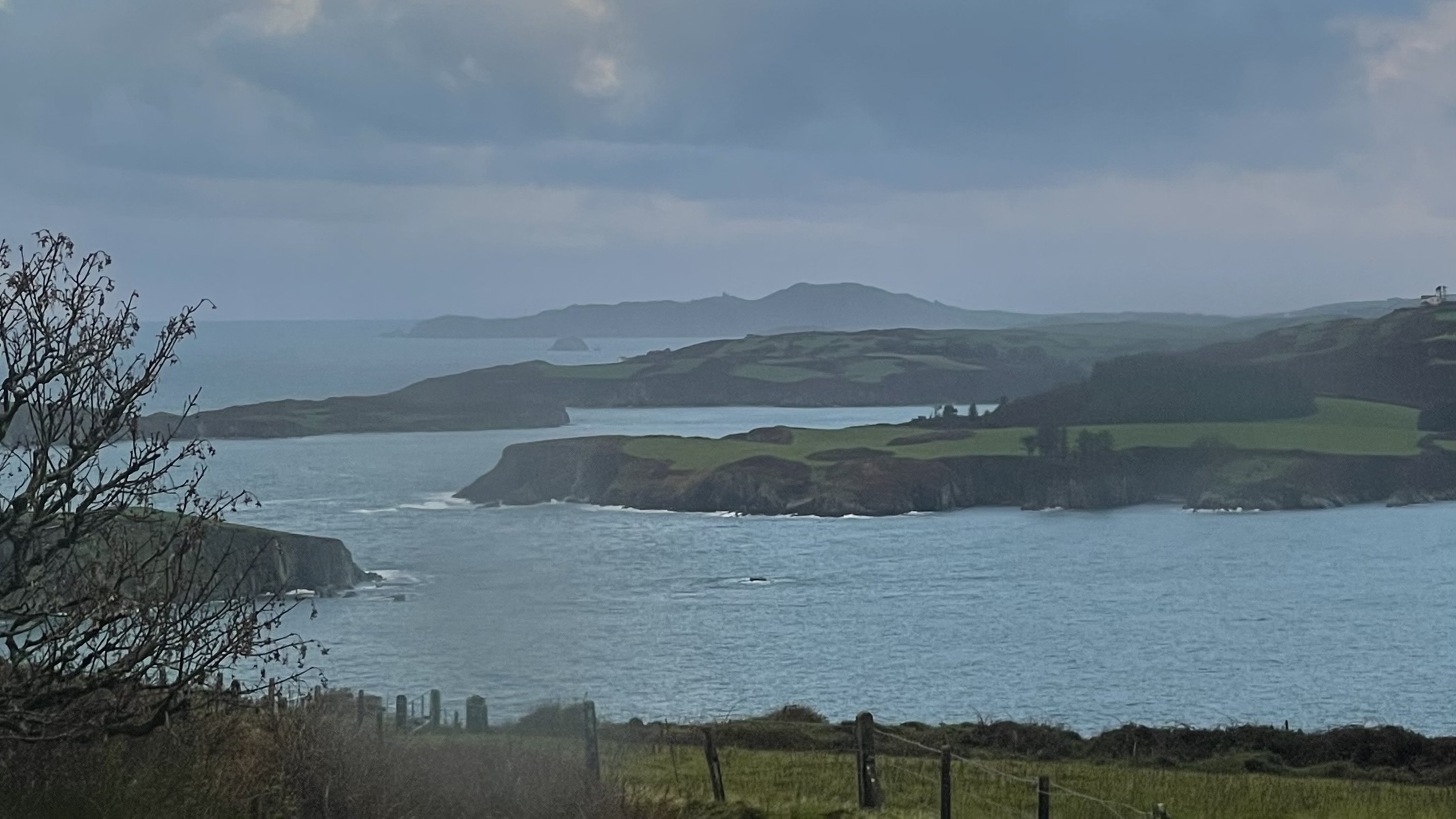
Lucinda Burgess’s residency at the Albers Foundation’s Carraig-na-gCat site in West Cork unfolded within a landscape defined by exposure, where Atlantic light shifts with unsettling speed and salt-laden air settles quietly onto every surface, entering fibres, grain, and pigment with a persistence that cannot be ignored. It is within this charged environment that the works gathered in Morphosis took shape, not as depictions of place, but as material responses to it, registering atmosphere as an active force rather than a distant backdrop.
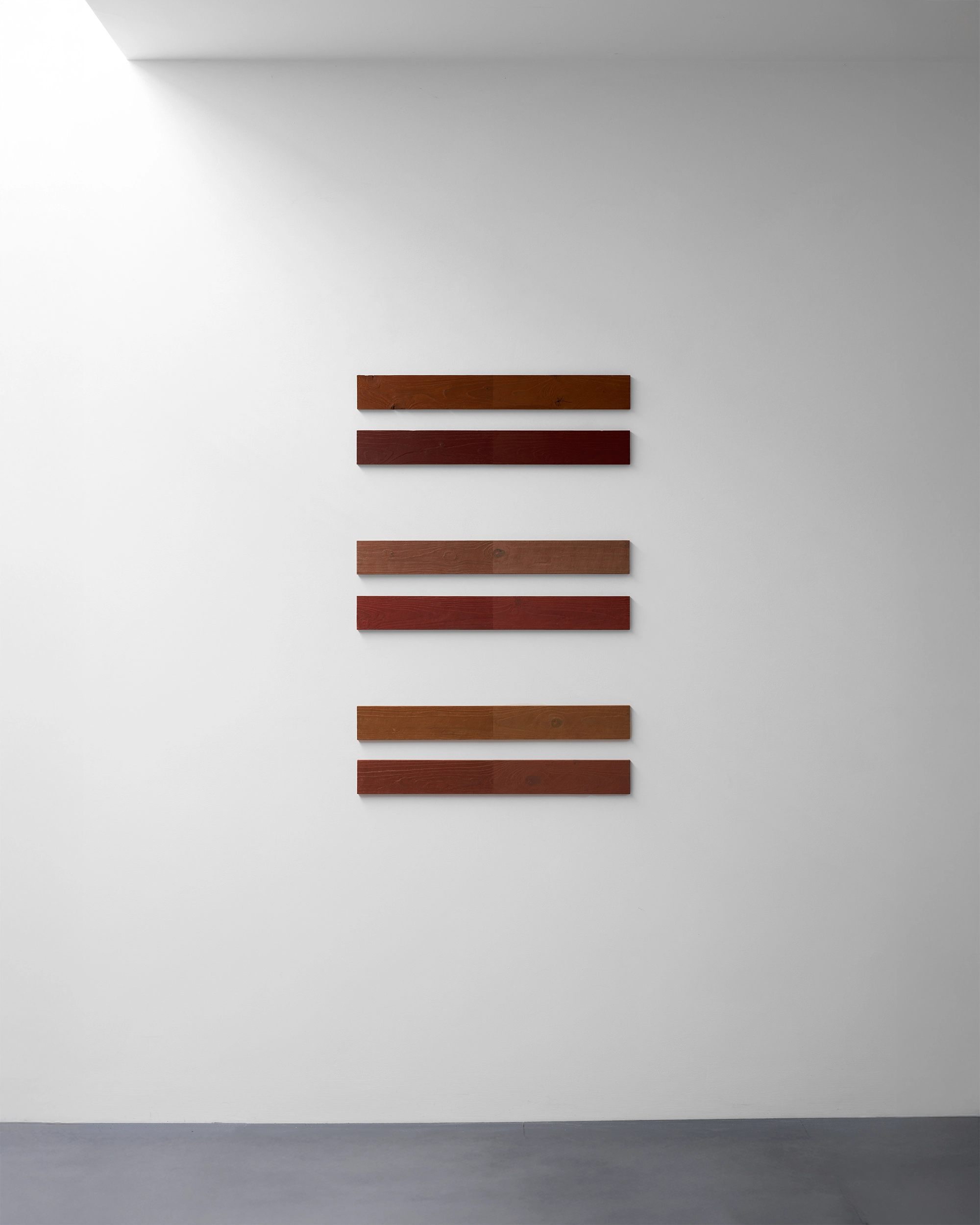
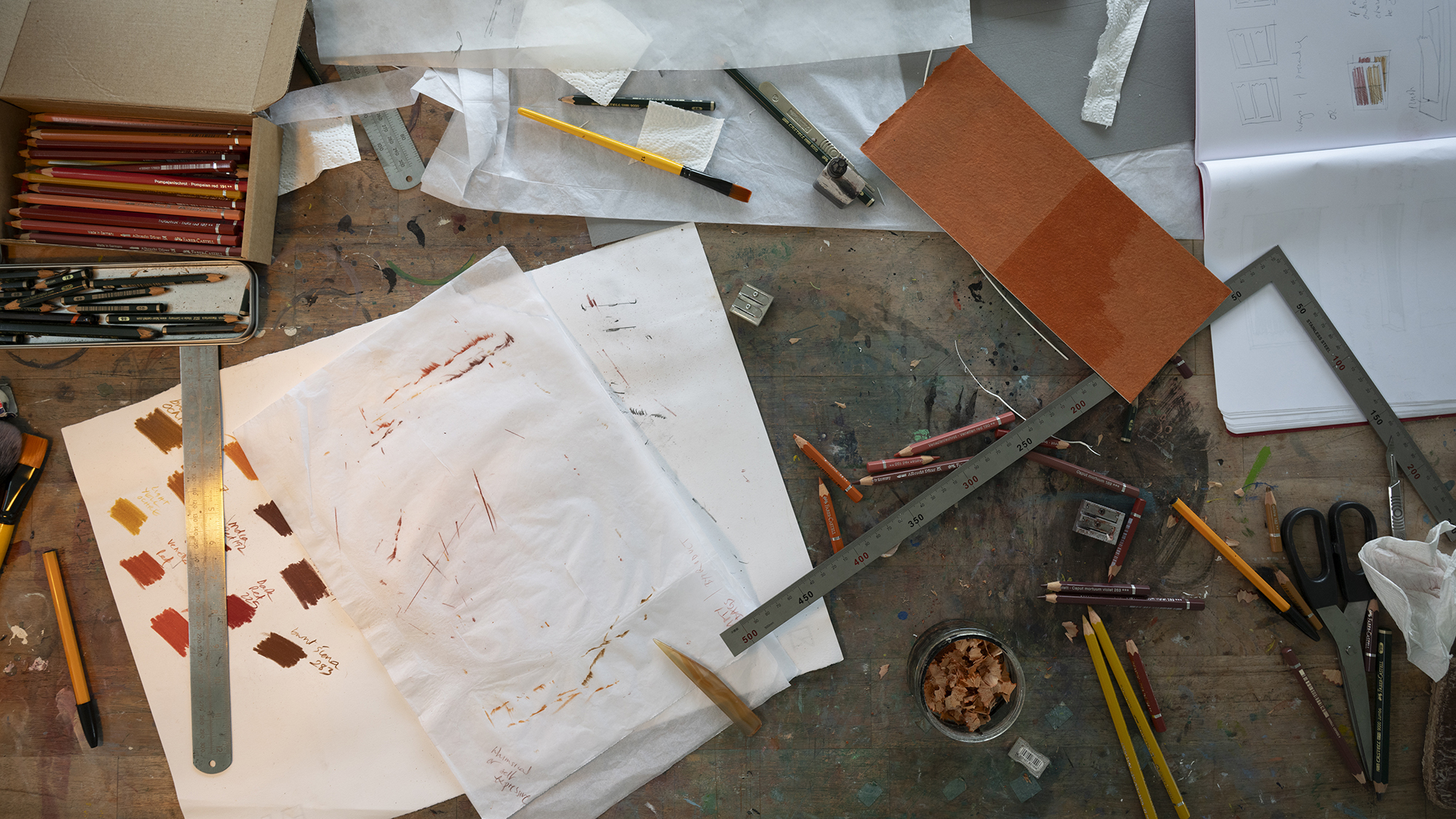
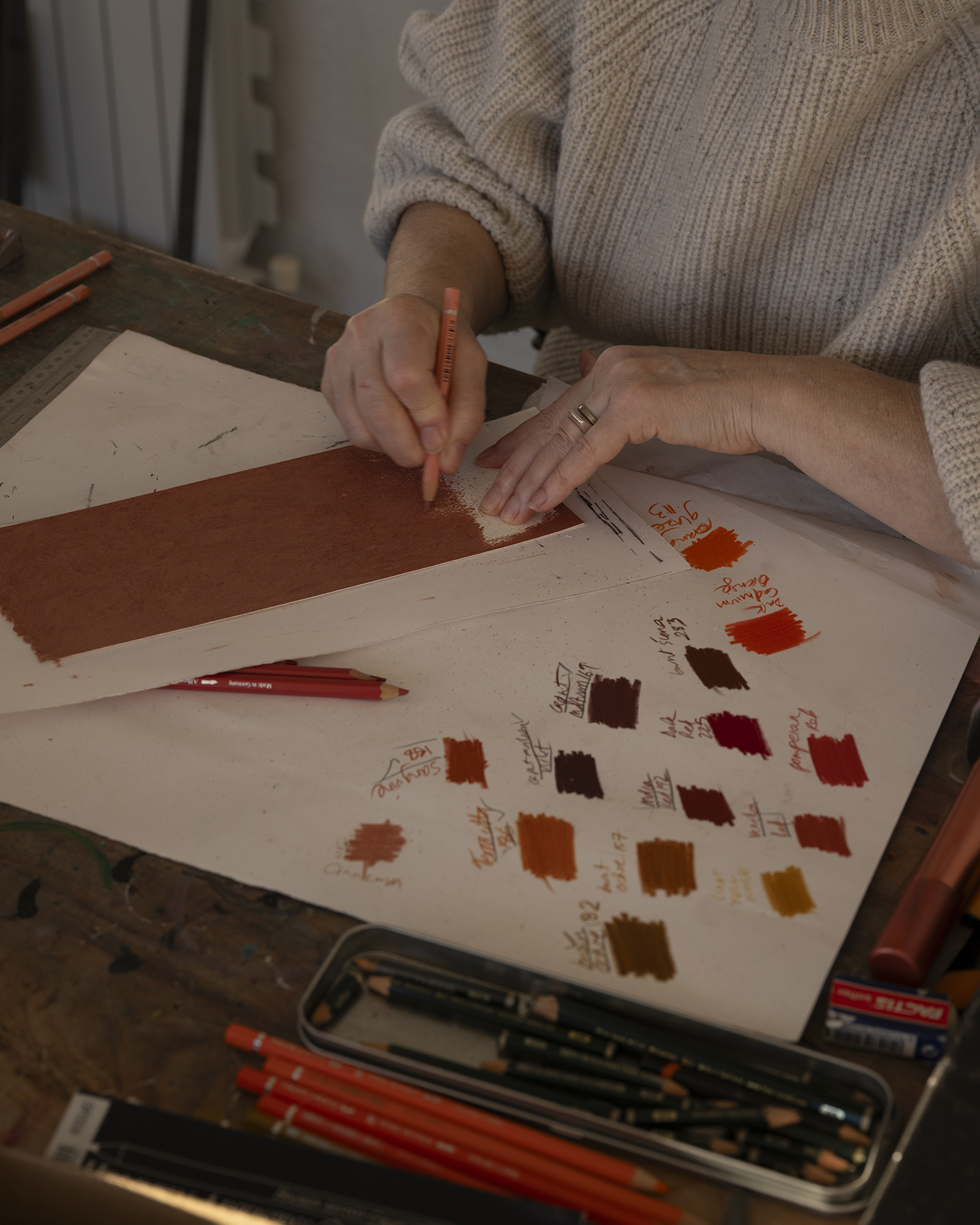
The intellectual presence of Josef Albers lingers at Carraig-na-gCat. Yet Burgess engages this legacy obliquely, drawing on his conviction that colour is never fixed or autonomous, but contingent upon circumstance. For Burgess, those circumstances extend beyond adjacency and proportion to include surface, pressure, light, and, crucially, the position of the viewer in relation to it. A burnished plane absorbs and reflects differently from one left matte, even when rendered with the same pencil. In Carraig-na-gCat – Colour Chart and November Colour Chart, each chromatic strip is divided into two halves, one polished, one untreated. What is nominally identical becomes perceptually distinct, as reflection alters depth, density, and temperature. The “same” colour, held in quotation marks, splits into two experiences. In fact, the burnished plane can look darker than the matte plane, or lighter, depending on where the viewer is standing in relation to it. Just as Albers demonstrated the instability of hue by placing colours next to each other in varying proportions, Burgess adds to this instability by including the interaction of the viewer with the colour, demonstrating that the experience of colour, even the ‘same’ colour, is one of constant ‘morphing’ and change.
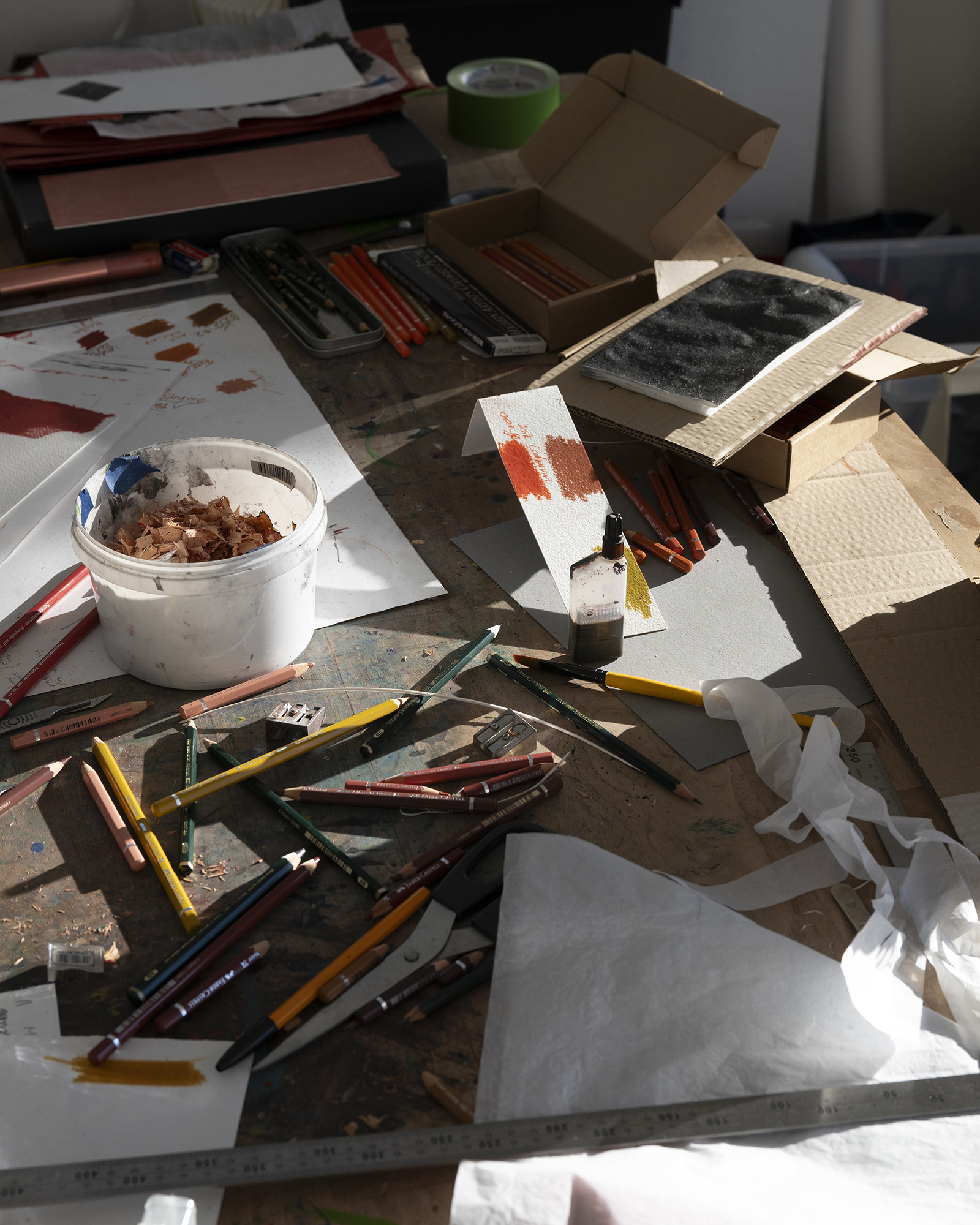
In India Red 192 – Dissolution, vertical strips of dark brick red paper were submerged in seawater during her residency, allowing salt crystals to settle gradually into the fibres as the paper absorbed and released moisture in cycles of drying and exposure. What remains visible on the surface is not an applied gesture but a residue of contact, a delicate crystallisation that speaks of duration and environment rather than of composition alone. The careful inclusion of silica within the frame to stabilise these formations acknowledges that preservation is not an afterthought but an integral component of the work’s structure, a quiet recognition that fragility and care are inseparable.
Seriality operates throughout Morphosis as a method of attentive looking. Repetition does not produce uniformity but reveals divergence, as each element subjected to similar processes responds differently, carrying subtle shifts in density, tone, and texture. In Carraig-na-gCat – Colour Chart, reclaimed wood and wax pencil form an ordered arrangement that reads at once as notation and abstraction, its title anchoring the work to the specific geography of the residency. At the same time, the surface records the grain, light, and atmosphere that shaped it. The notion of a “chart” suggests measurement, yet what is measured is variability itself, a chromatic field conditioned by place.
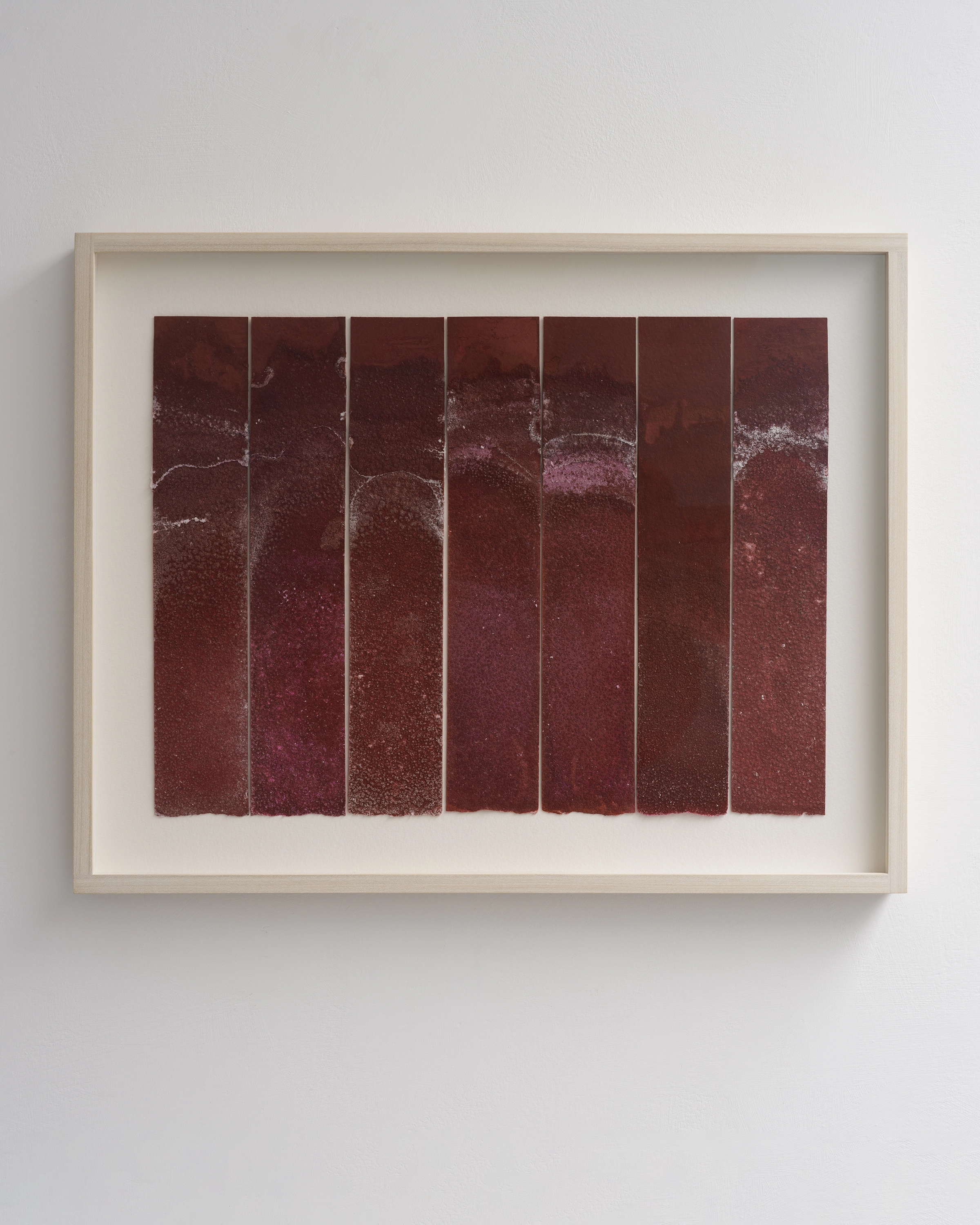
Time is not concealed within these works; it remains legible in the form of fading edges, salt bloom, and softened transitions, where pigment has responded to moisture and air. The exhibition’s title, Morphosis, signals this commitment to form as a state of becoming, where transformation is not a dramatic rupture but a gradual, almost imperceptible shift that accumulates across surface and structure. Burgess allows change to remain visible, neither romanticised nor corrected, held instead within a disciplined framework that maintains clarity without suppressing contingency.
In this attentiveness to material presence, Burgess’s practice finds a quiet resonance with Wolfgang Laib, whose use of pollen and organic matter foregrounds accumulation, fragility, and care as essential components of form. Like Laib, Burgess treats matter as a collaborator rather than a support. Yet, her inquiry remains distinctly chromatic, structured through measured arrangements that hold transformation in view rather than dissolving into pure elemental simplicity.
The West Cork residency sharpened this balance between control and exposure, offering conditions that resist complete mastery while rewarding patience and observation. Burgess responded not by surrendering structure, but by designing processes that could accommodate the unpredictable agency of salt, humidity, and light. The result is a body of work that reframes colour as an event rather than an attribute, as something that emerges through encounter and remains marked by it.
In Morphosis, colour is neither a stable surface nor a purely optical phenomenon; it is a record of immersion, a negotiation between fibre and mineral, intention and atmosphere. Through this subtle expansion of relational thinking into the domain of material transformation, Burgess situates her work within a lineage of disciplined inquiry while pressing it toward a contemporary sensitivity attuned to ecology, duration, and the quiet labour of preservation.
.
Images: Lucinda Burgess, Valentin Degnieau, Alex Caminada