Joan Witek
Born in New York, NY, USA, 1943
Lived and worked in New York, NY, USA & Mexico
Died in Mexico, 2026
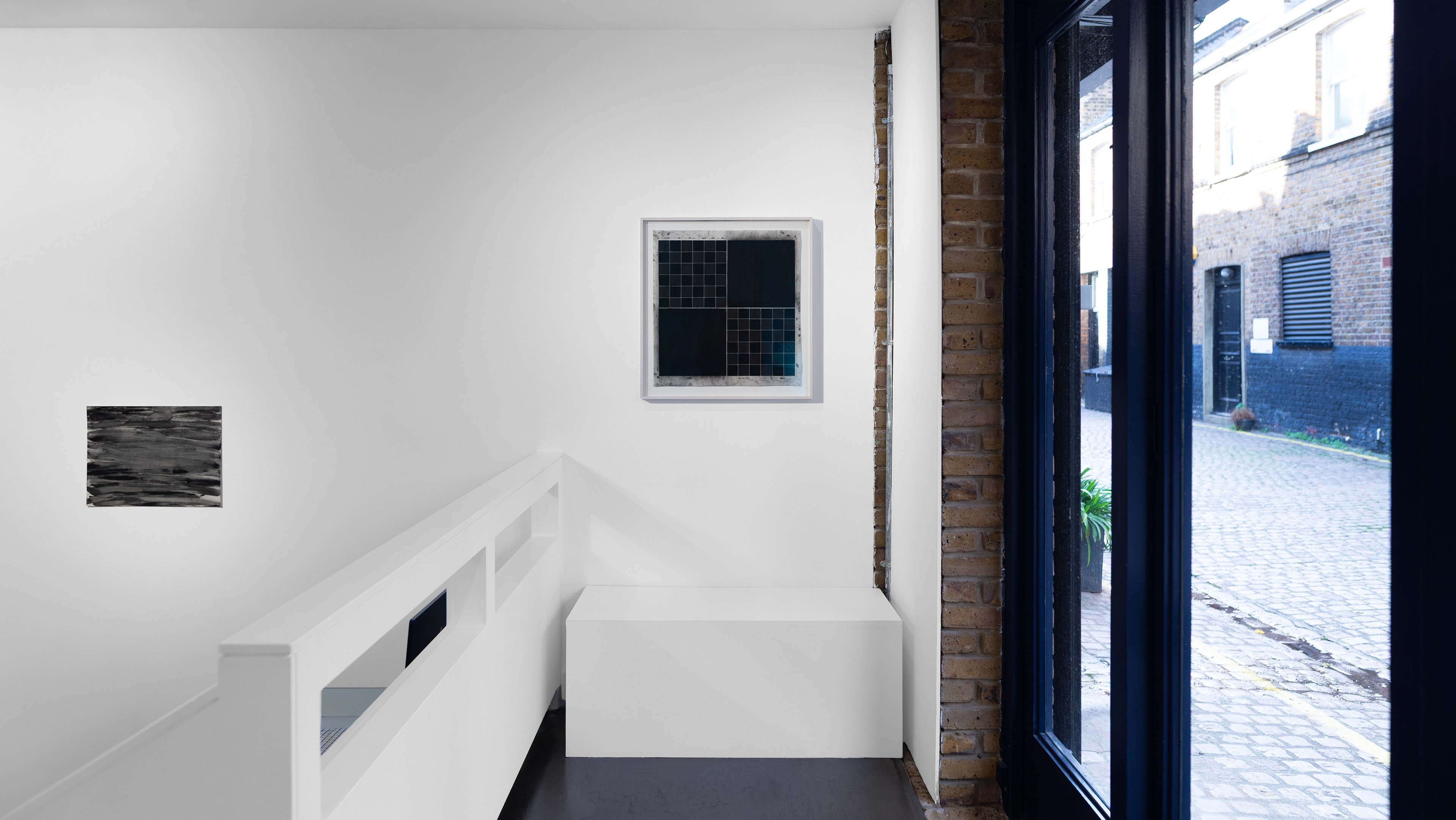
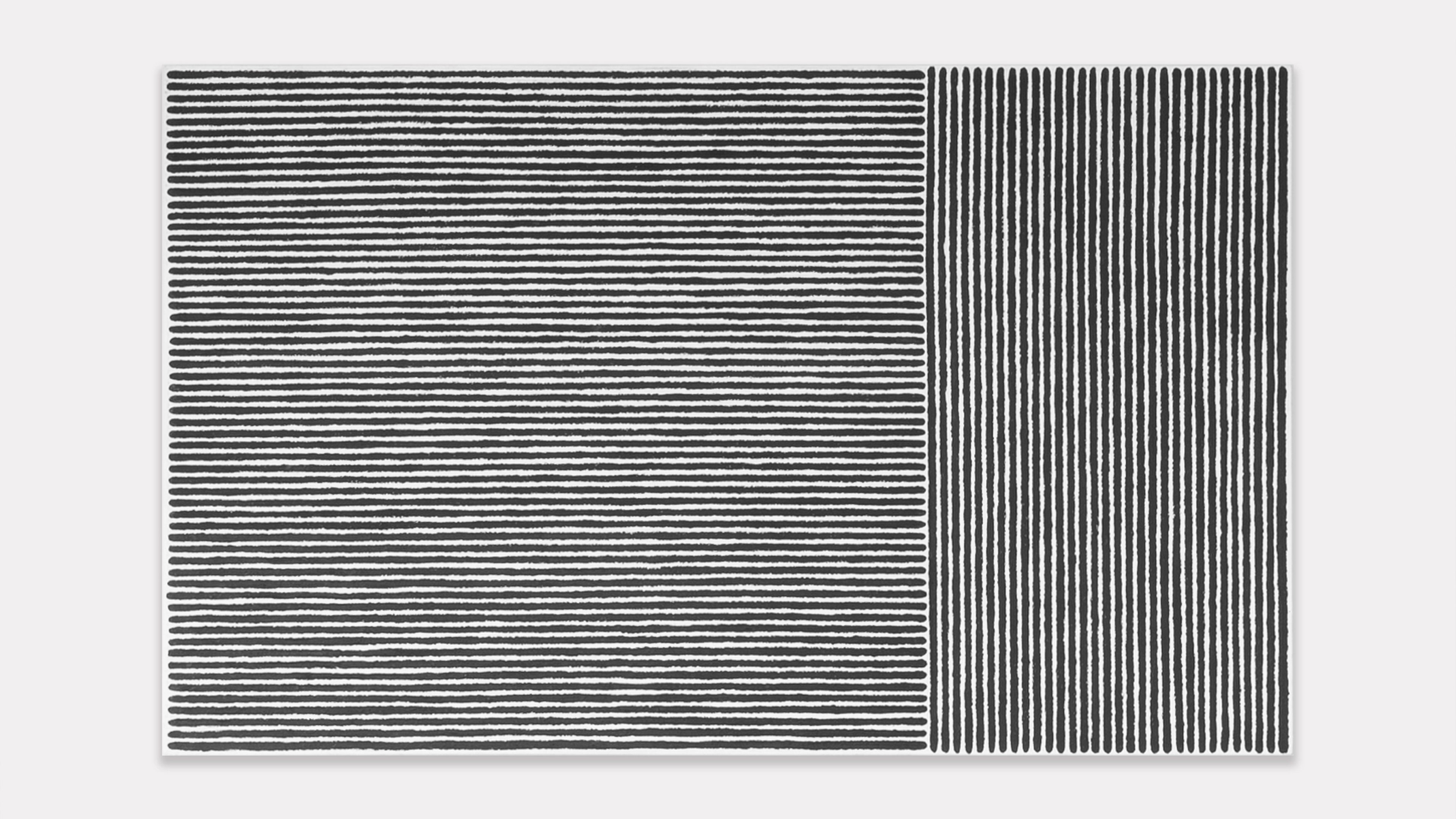
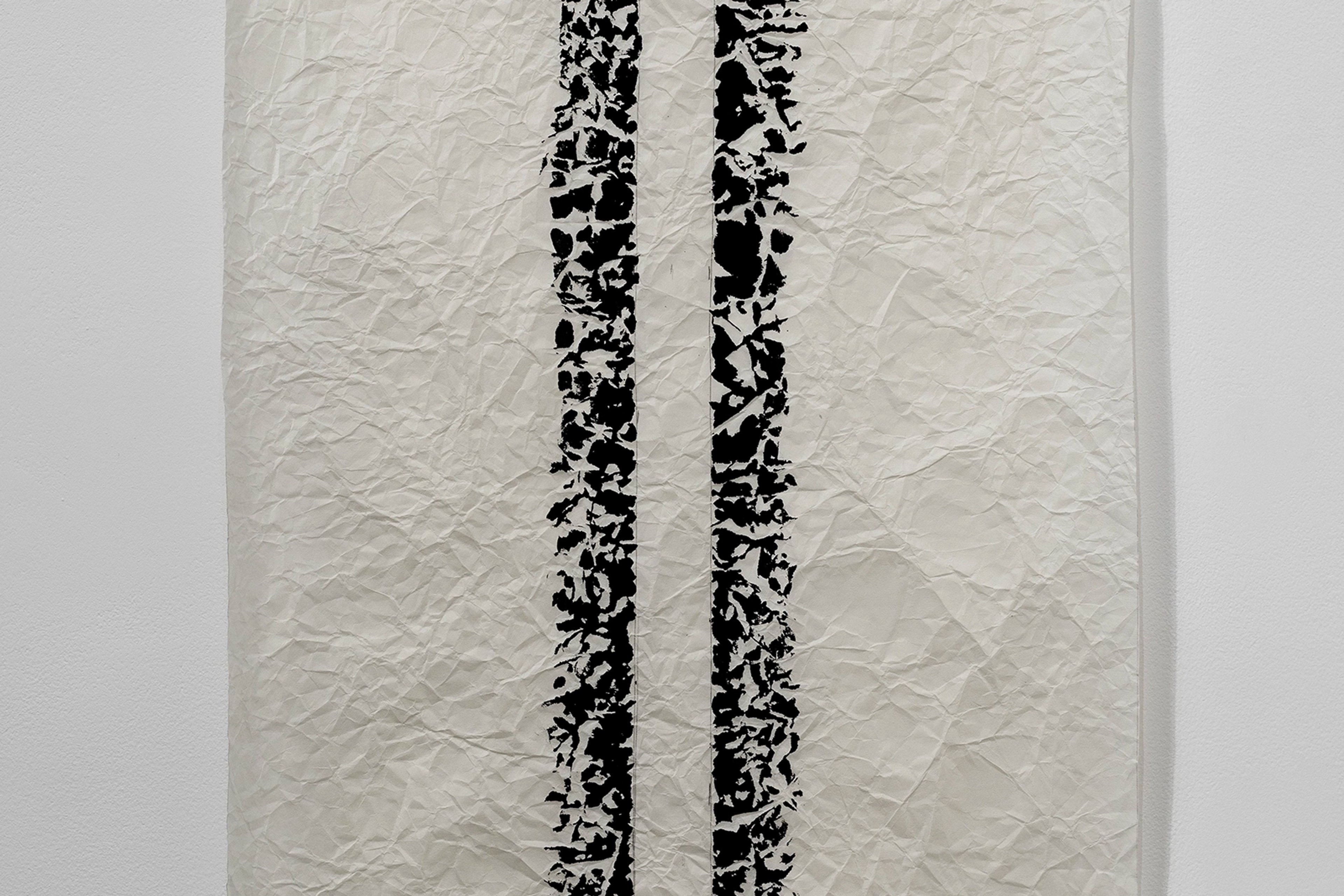
“Black is usually considered the absence of colour: it is severe and rigorous but this is only two facets of its many qualities. One of the reasons I am attracted to black is indeed its dichotomies. It is sophisticated and primitive, emotional and intellectual, it is a colour that everyone responds strongly to, in one way or another.” – Joan Witek. Joan Witek’s work has always been involved with the colour black: whether in oil paint, water colour or pencil, Witek’s works concentrate on specific materiality and formalist content, which she twists by adding a linguistic domain using titles from various sources. The unity of Witek’s body of work is defined not through a signature style but through ways of picture making that permit the works to look very different, and yet all are immediately recognizable. Although black can be associated with negative ideas and expressions, it occupies a wide range. Witek’s large paintings, as well as her small drawings imply a sense of emotional intimacy. The colour is strong and delicate, rational and emotional. Her paintings are defined by radical condensation and Witek’s potentially infinite suggestiveness is accomplished using deliberately limited means. For example, the expression of a black watercolor on delicate, wrinkled rice paper or a black painting made of repeated brush strokes; all create a meaning and intensity for the viewer.
Biography
Joan Witek (1943–2026) was an American artist born in New York, who lived and worked between New York and Mexico. Her practice centred on abstraction in painting, drawing, and works on paper, with a sustained engagement with the colour black and with encaustic and geometric abstraction as recurring concerns.
Witek's work concentrated on specific materiality and formalist content, which she extended through titles drawn from various sources. Working across large paintings and small drawings, she employed deliberately limited means — among them black watercolour on rice paper and paintings built from repeated brushstrokes — to produce works that, while visually varied, remained immediately recognisable as her own. As she stated: "Black is usually considered the absence of colour: it is severe and rigorous but this is only two facets of its many qualities."
Her work entered numerous public collections, including the Metropolitan Museum of Art, the Museum of Modern Art and the San Francisco Museum of Modern Art, the National Gallery of Art, Washington D.C., the Albright-Knox Art Gallery, Buffalo, the Fogg Art Museum at Harvard University, the Yale University Art Gallery, and the National Museum of Women in the Arts, Washington D.C., among others. She exhibited with Bartha Contemporary, London, from 2000.
Related Journal
Available Works
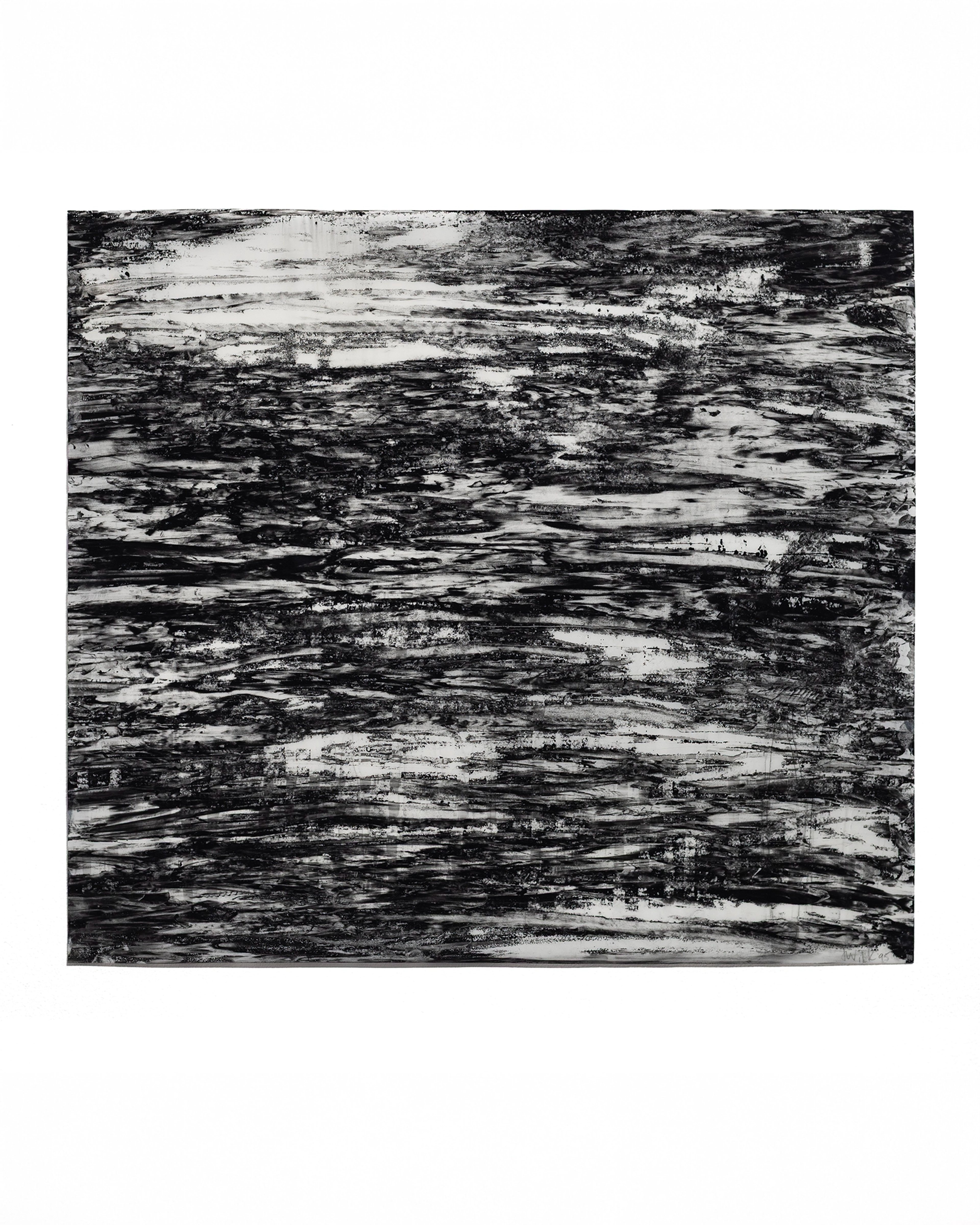
Joan Witek
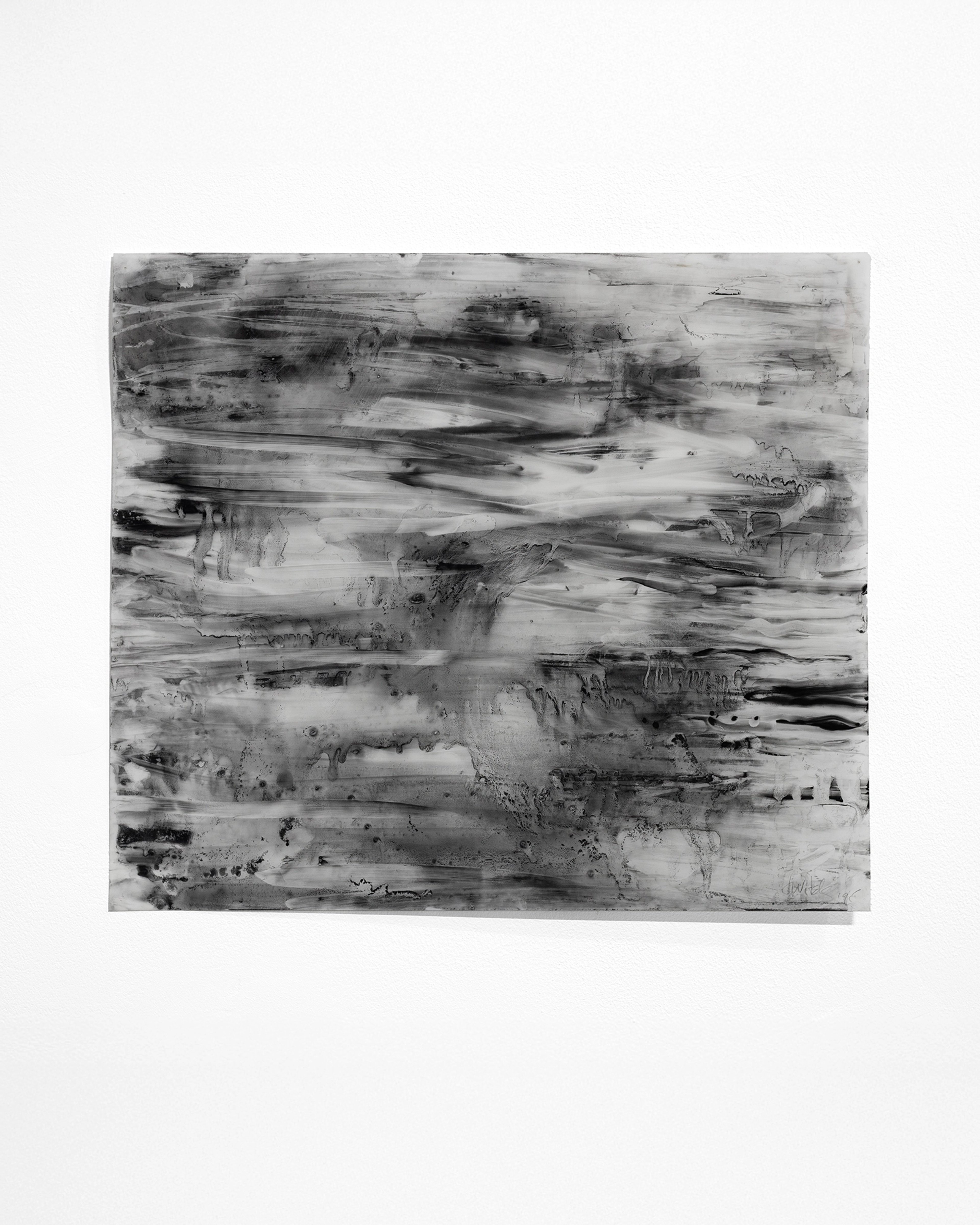
Untitled (Albee 1), 1995
Watercolour on Film
34.5 × 37.6 cm
13 ⅝ × 14 ¾ in
Price on request
Joan Witek
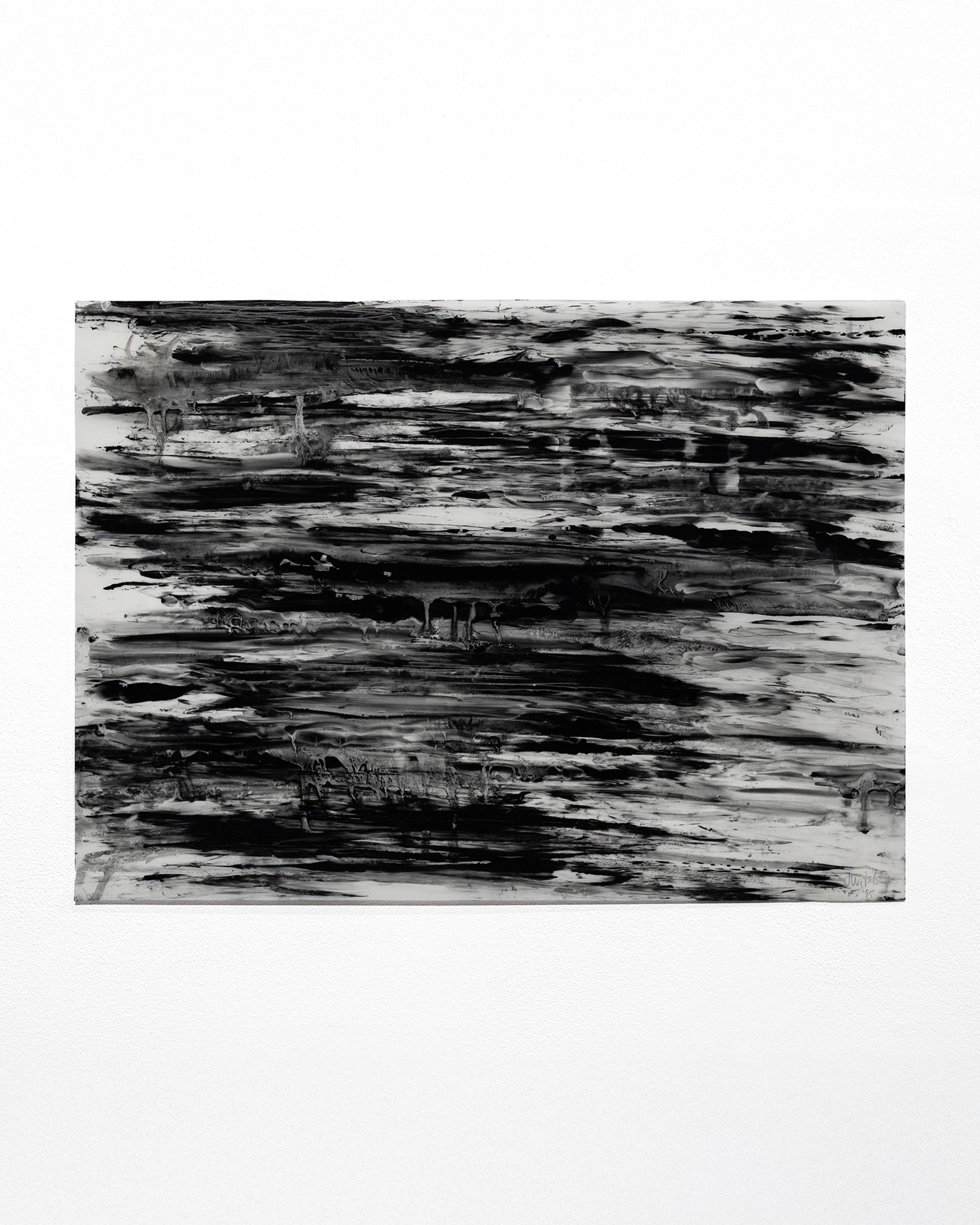
Untitled (Albee 2), 1995
Watercolour on Film
40.5 × 45.8 cm
16 × 18 in
Price on request
Joan Witek
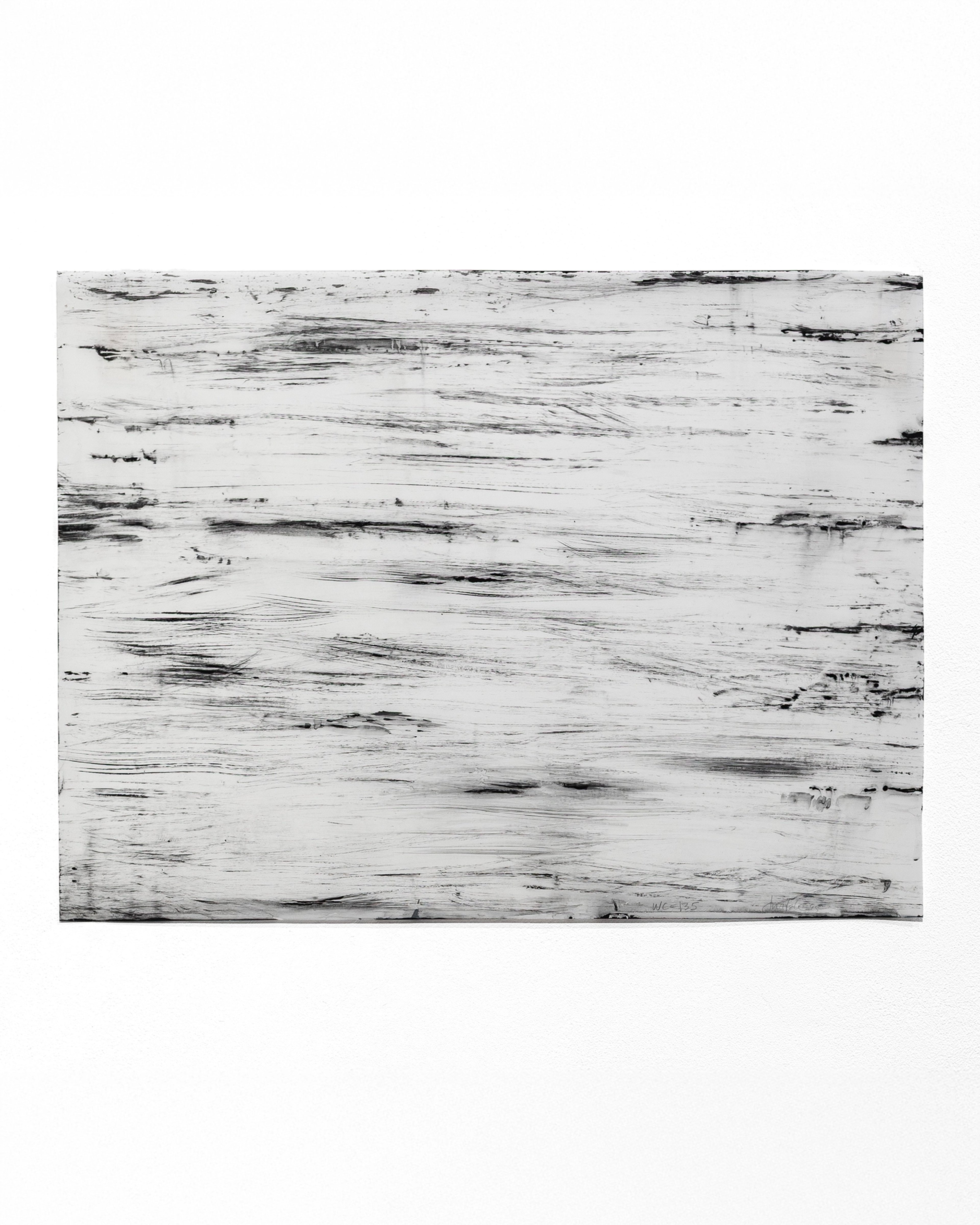
Untitled (Albee 3), 1995
Watercolour on Film
32 × 45.6 cm
12 ⅝ × 18 in
Price on request
Joan Witek
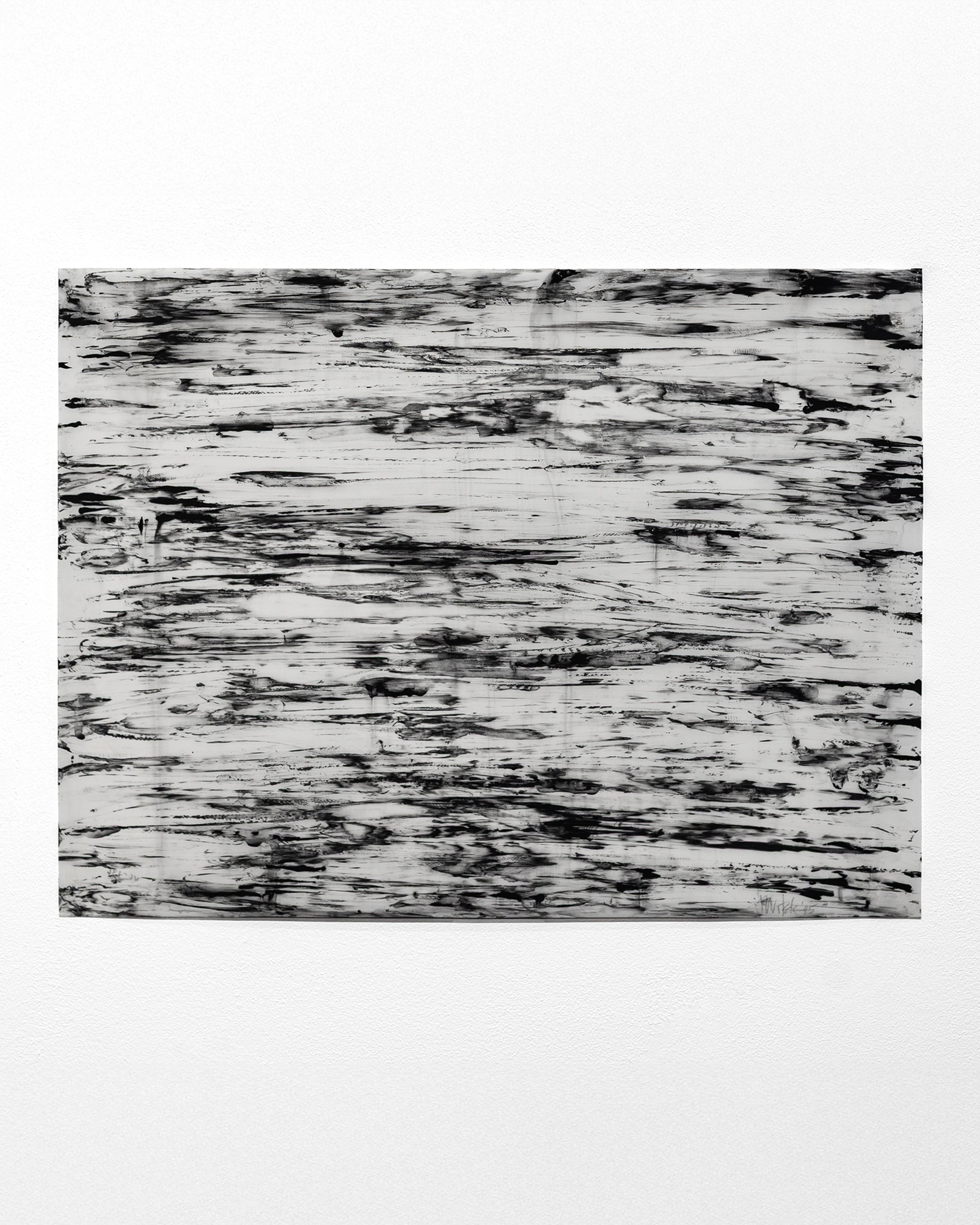
Untitled (Albee 4), 1995
Watercolour on Film
37.7 × 50.8 cm
14 ⅞ × 20 in
Price on request
Joan Witek
Untitled (Albee 5), 1995
Watercolour on Film
37.7 × 50.8 cm
14 ⅞ × 20 in
Price on request
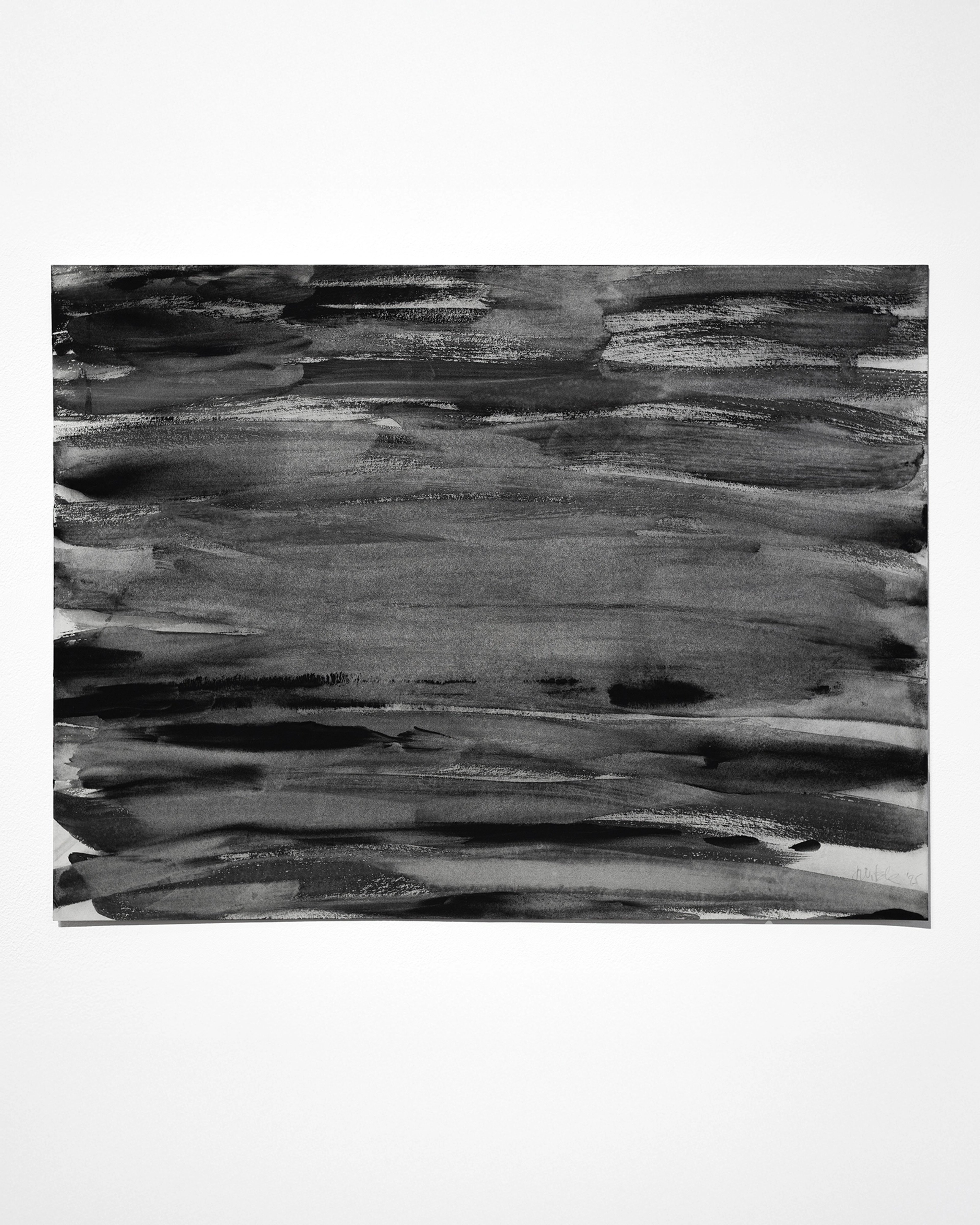
Joan Witek
Untitled (Albee 6), 1995
Watercolour on Paper
37.7 × 50.8 cm
14 ⅞ × 20 in
Price on request
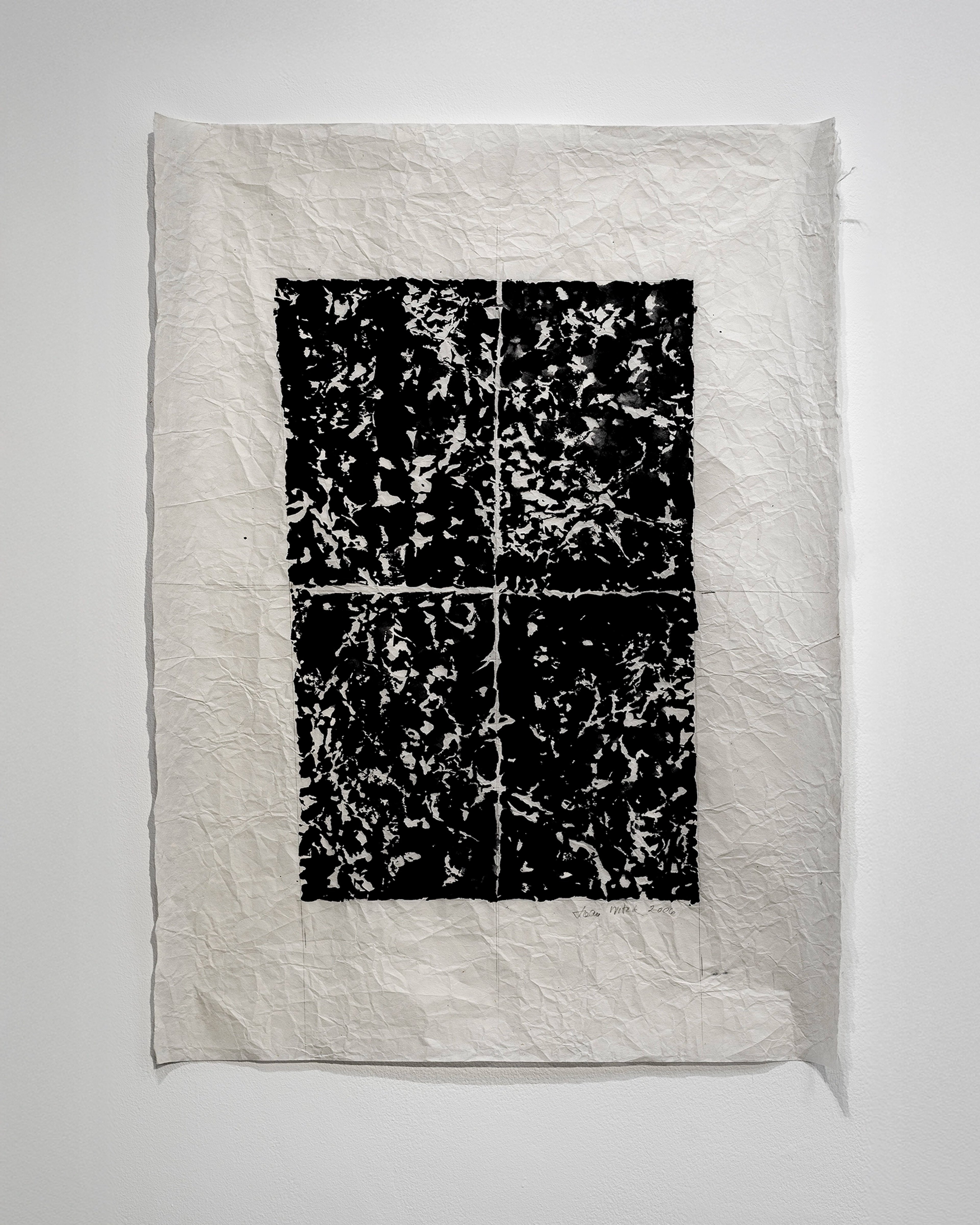
Joan Witek
Untitled (Four Rectangles), 2006
Pigmented ink, watercolour and pencil on handmade ricepaper
76 × 56 cm
29 ⅞ × 22 in
Price on request
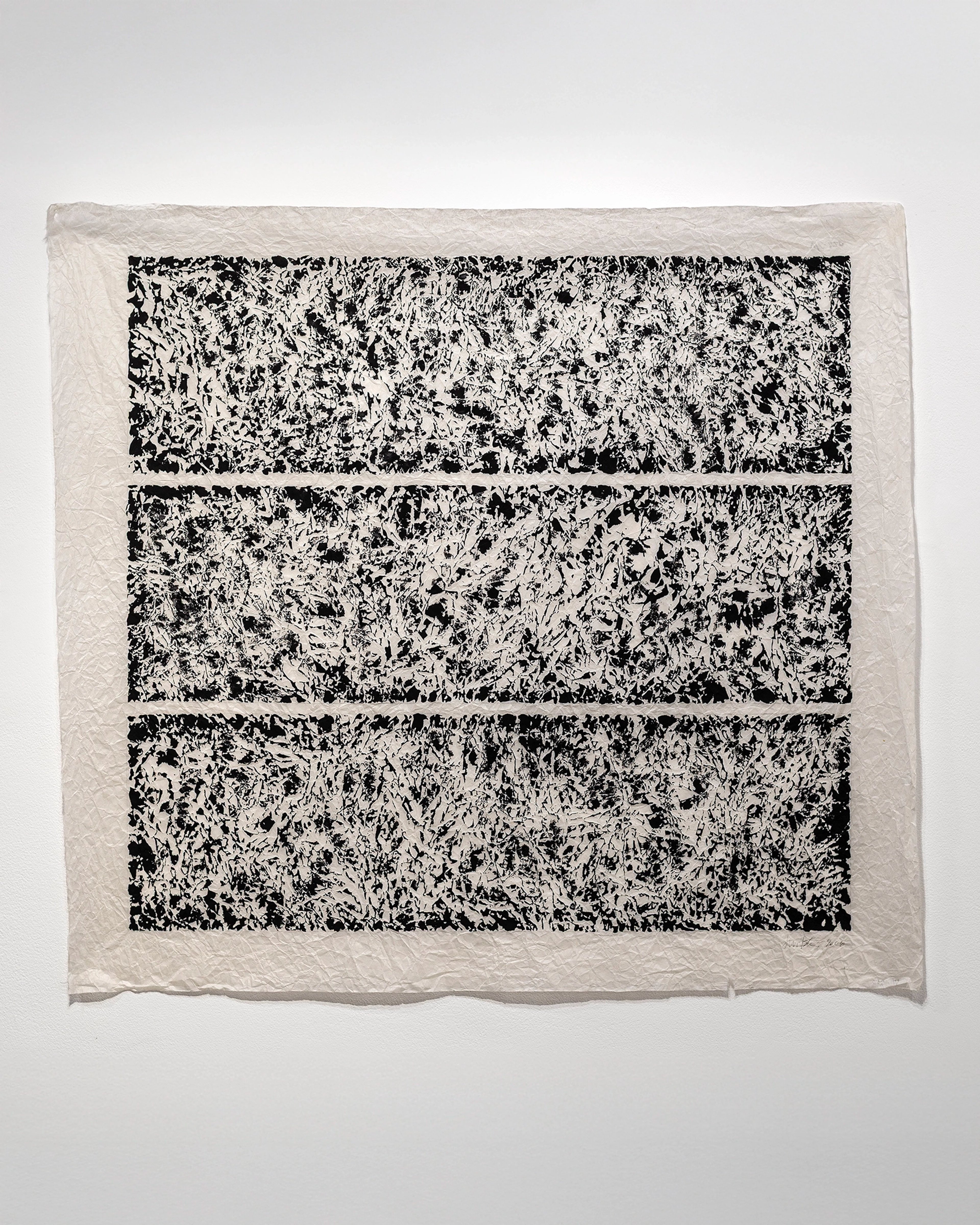
Joan Witek
Untitled (WC-220), 2006
Pigmented ink, watercolour and pencil on handmade ricepaper
91 × 99 cm
35 ⅞ × 39 in
Price on request
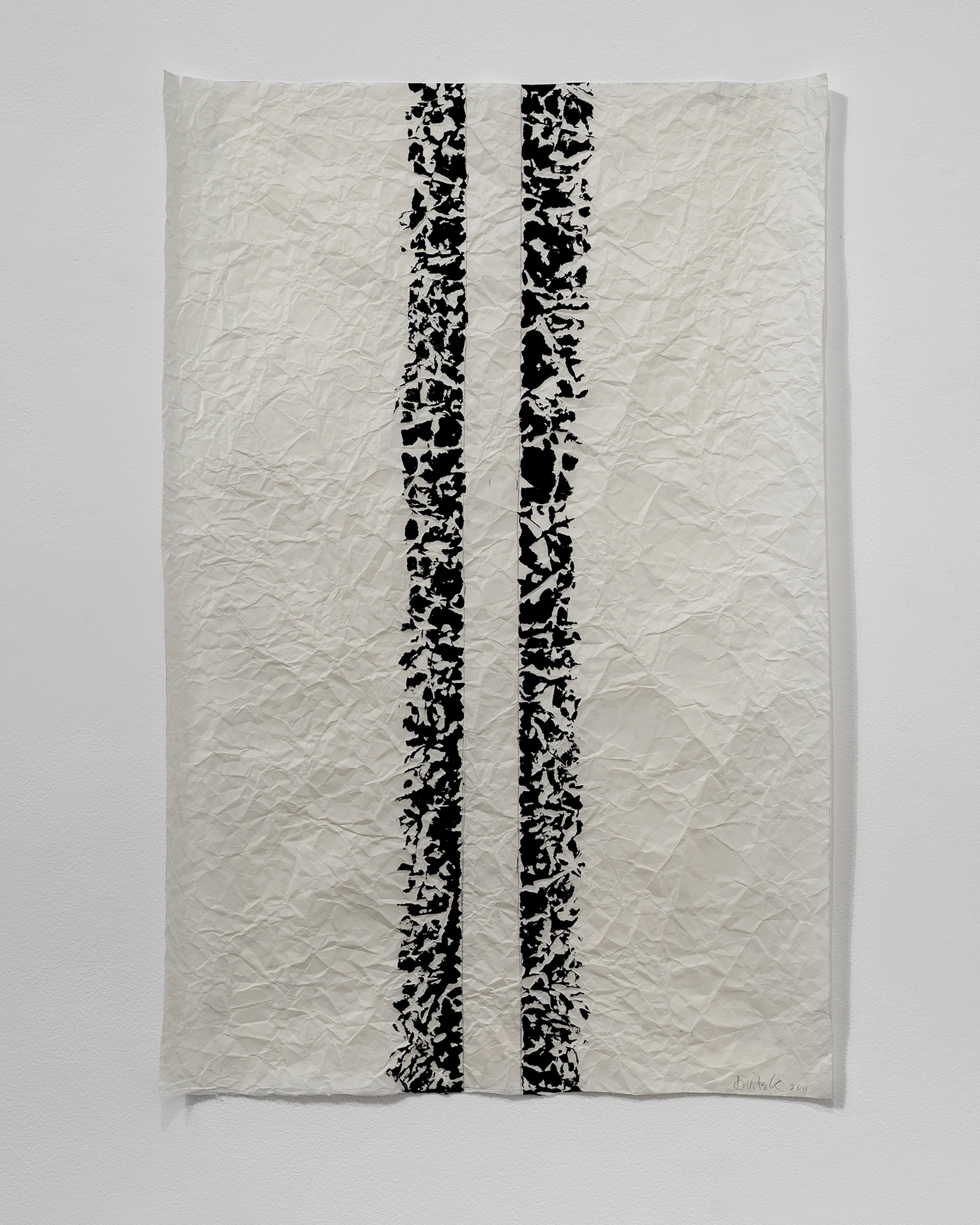
Joan Witek
Untitled (Two Vertical Lines), 2011
Pigmented ink, watercolour and pencil on handmade ricepaper
71 × 48 cm
28 × 18 ⅞ in
Price on request
Publications
Shows / News archive
Previous Show