Image 1 of 11
Lucinda Burgess _ Morphosis_ —
Gallery Solo - Exhibition
7 Ledbury Mews North, London W11 2AF
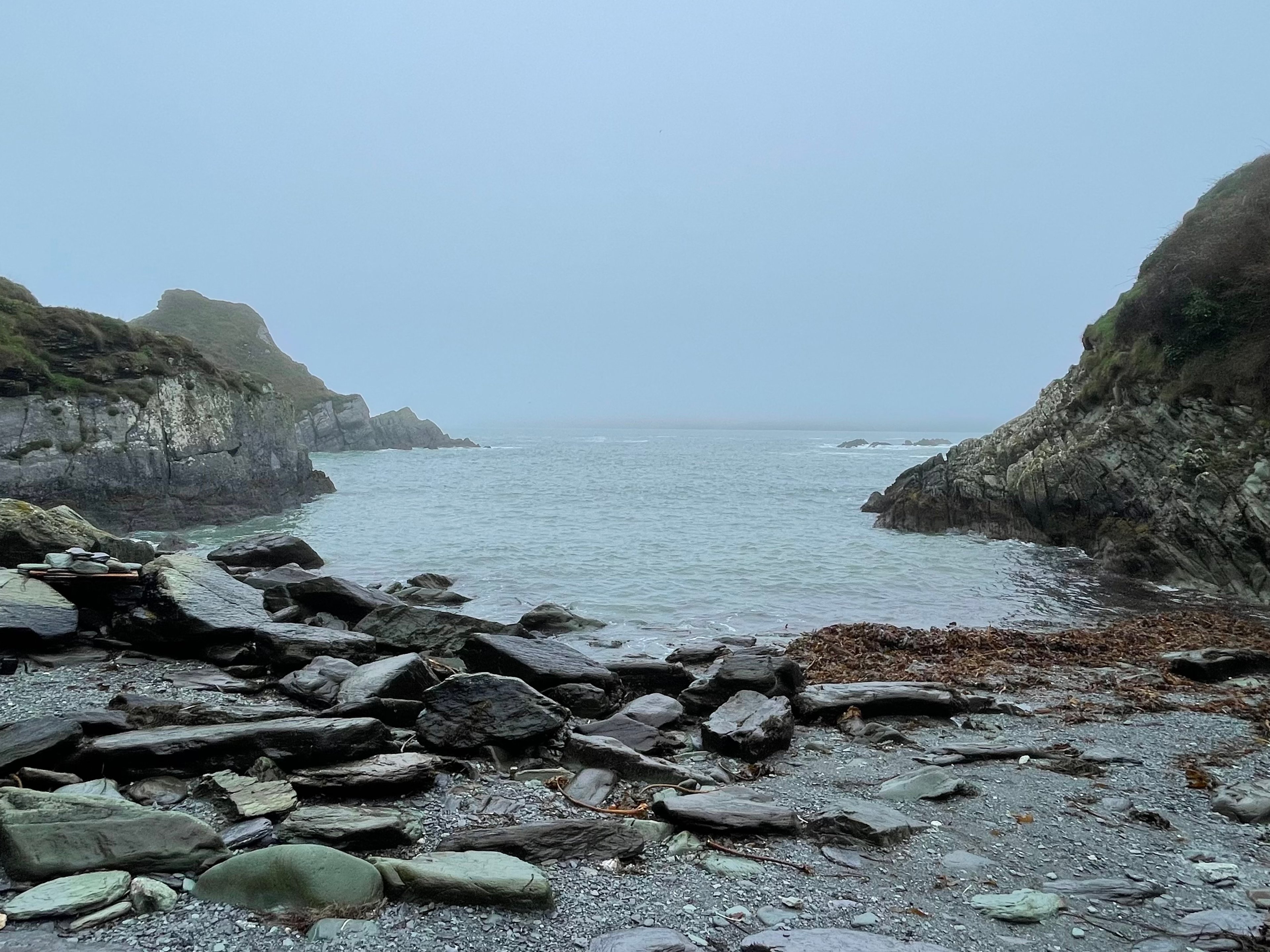
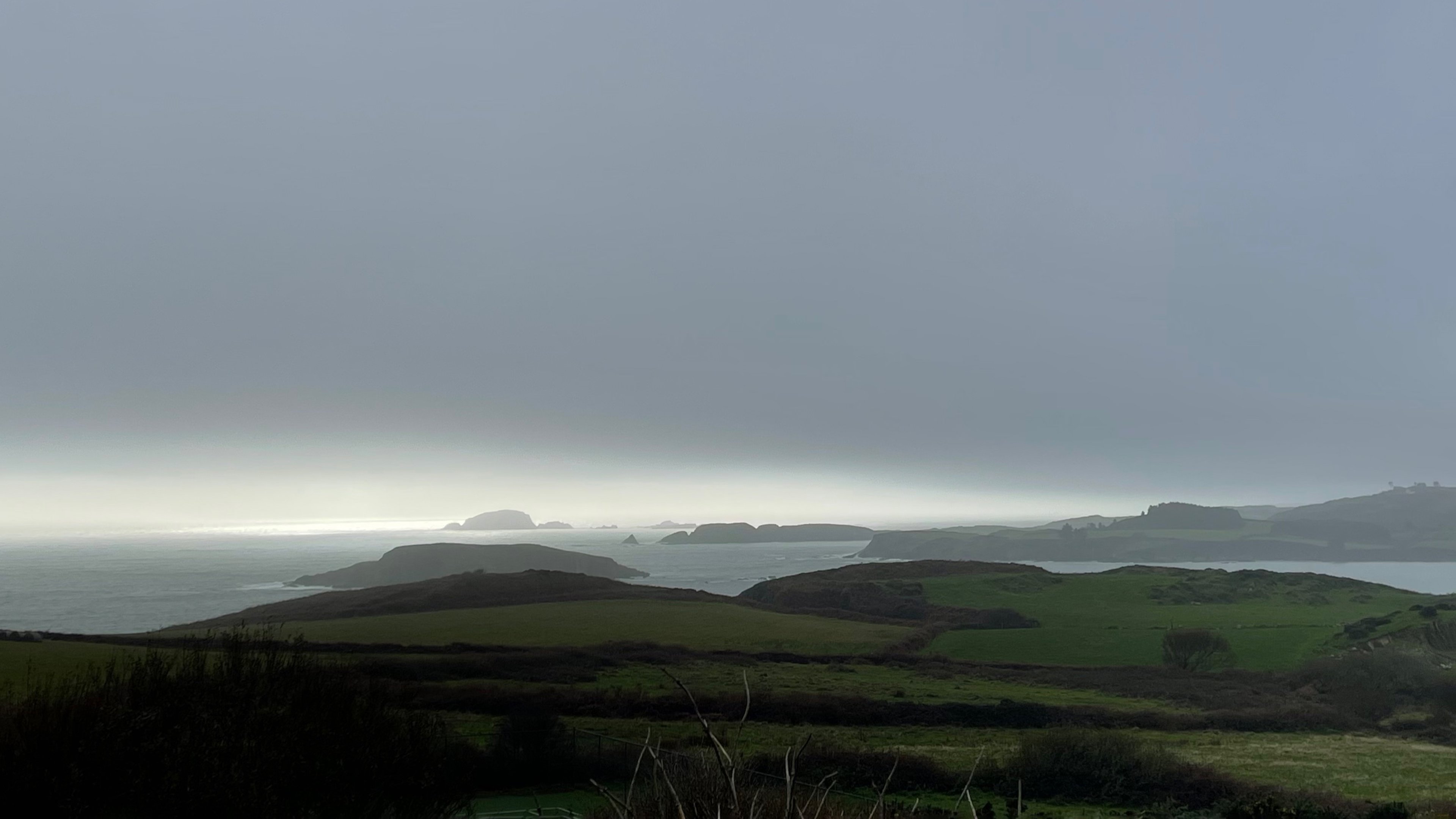
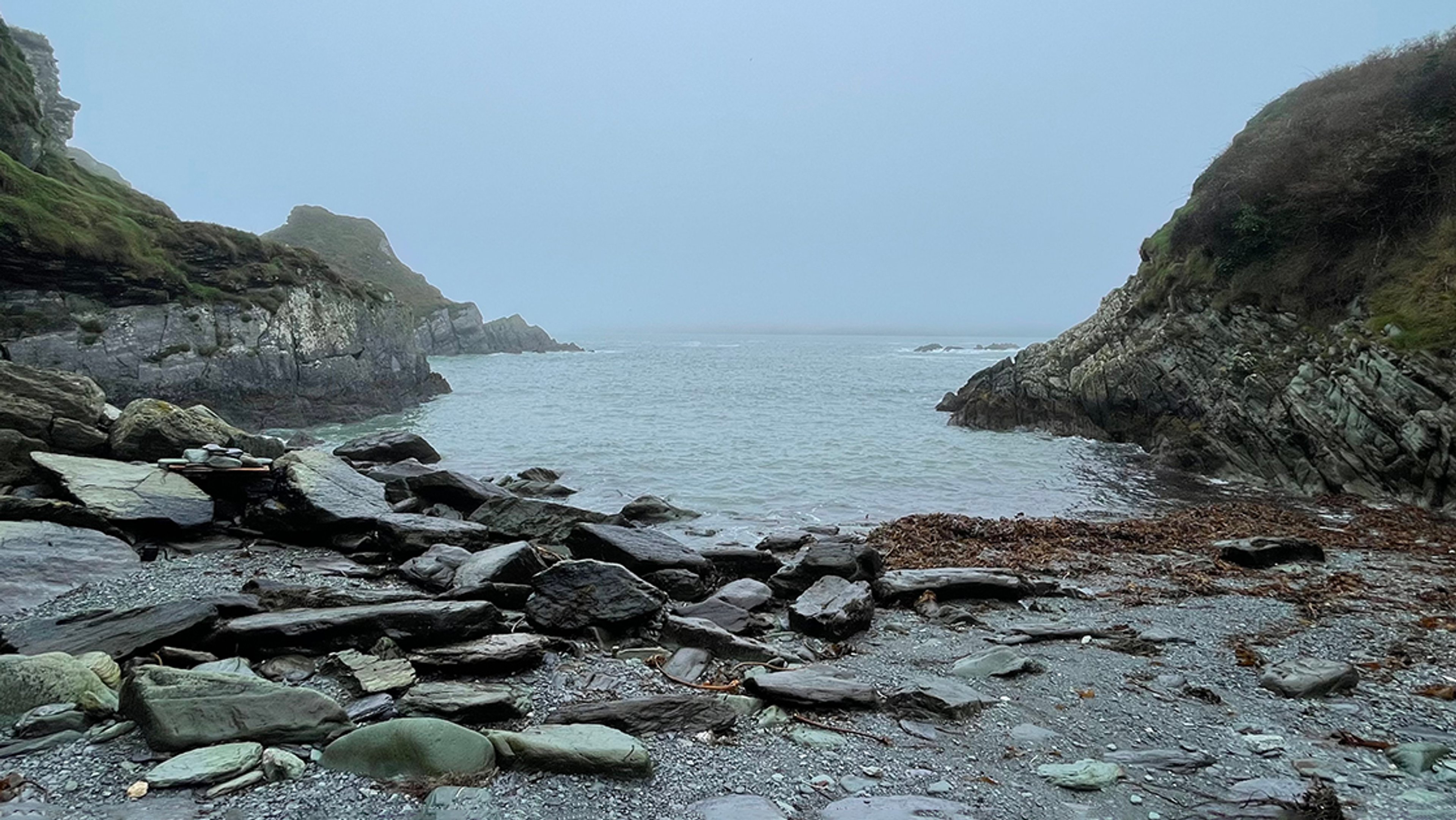
Bartha Contemporary is pleased to present Morphosis, a new exhibition by British artist Lucinda Burgess, on view from April 9th to May 3rd. The exhibition brings together new works developed during a recent residency at the Albers Foundation on the Atlantic coast of Ireland.
Morphosis centres on processes of material change, erosion, and preservation. Working across paper, found materials, and wood, Burgess explores how colour and surface are shaped by environmental exposure, time, and chance. Seawater, salt, humidity, and light function as active agents within the work, registering transformation rather than fixed form.
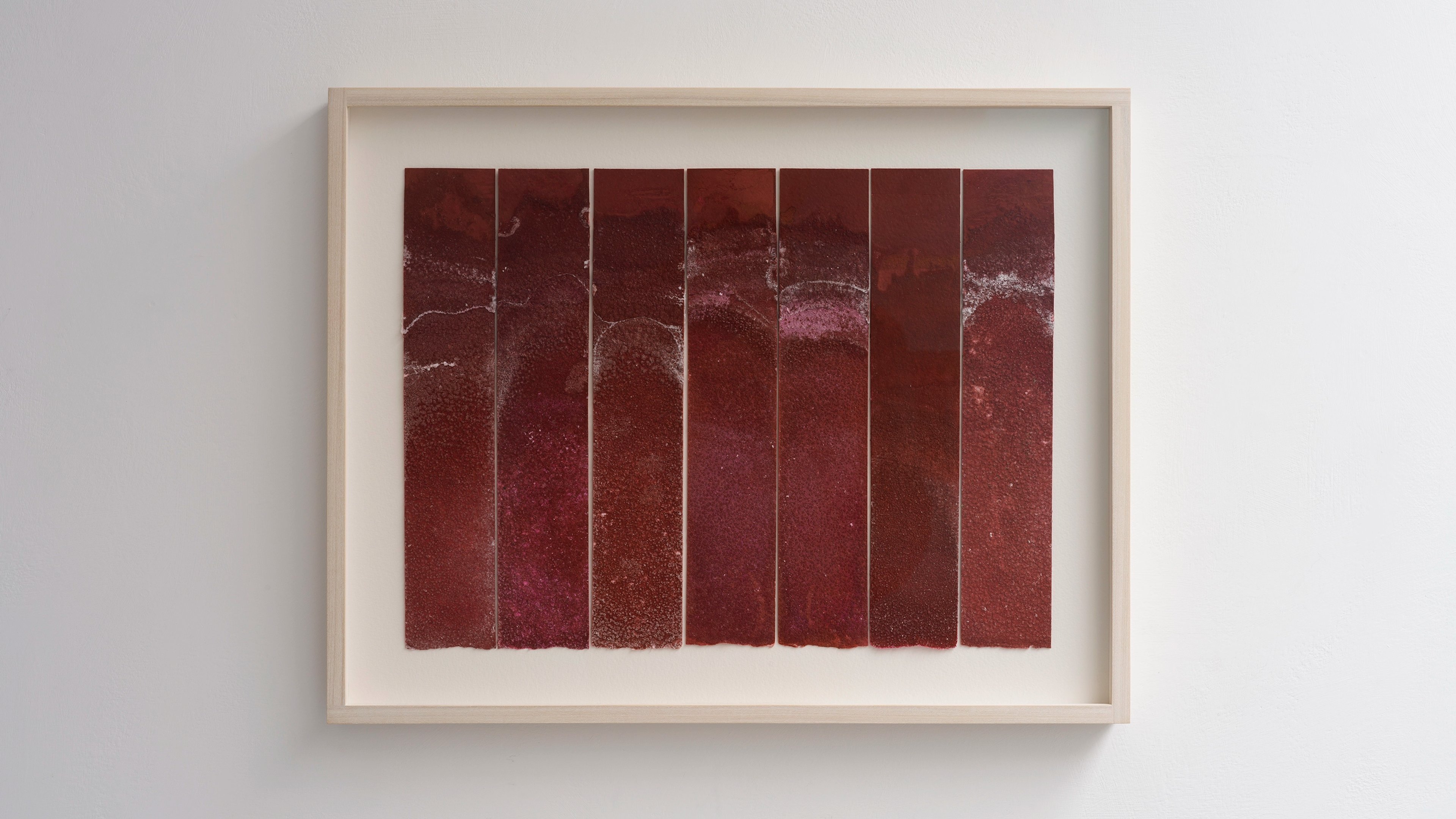
A key work in the exhibition, India Red 192 – Dissolution, consists of seven vertical strips of dark brick-red paper submerged in seawater. Salt residues remain embedded in the paper fibres, leaving crystalline traces that record immersion and gradual decay. The work is framed with archival silica to stabilise these fragile deposits, highlighting the tension between dissolution and conservation.
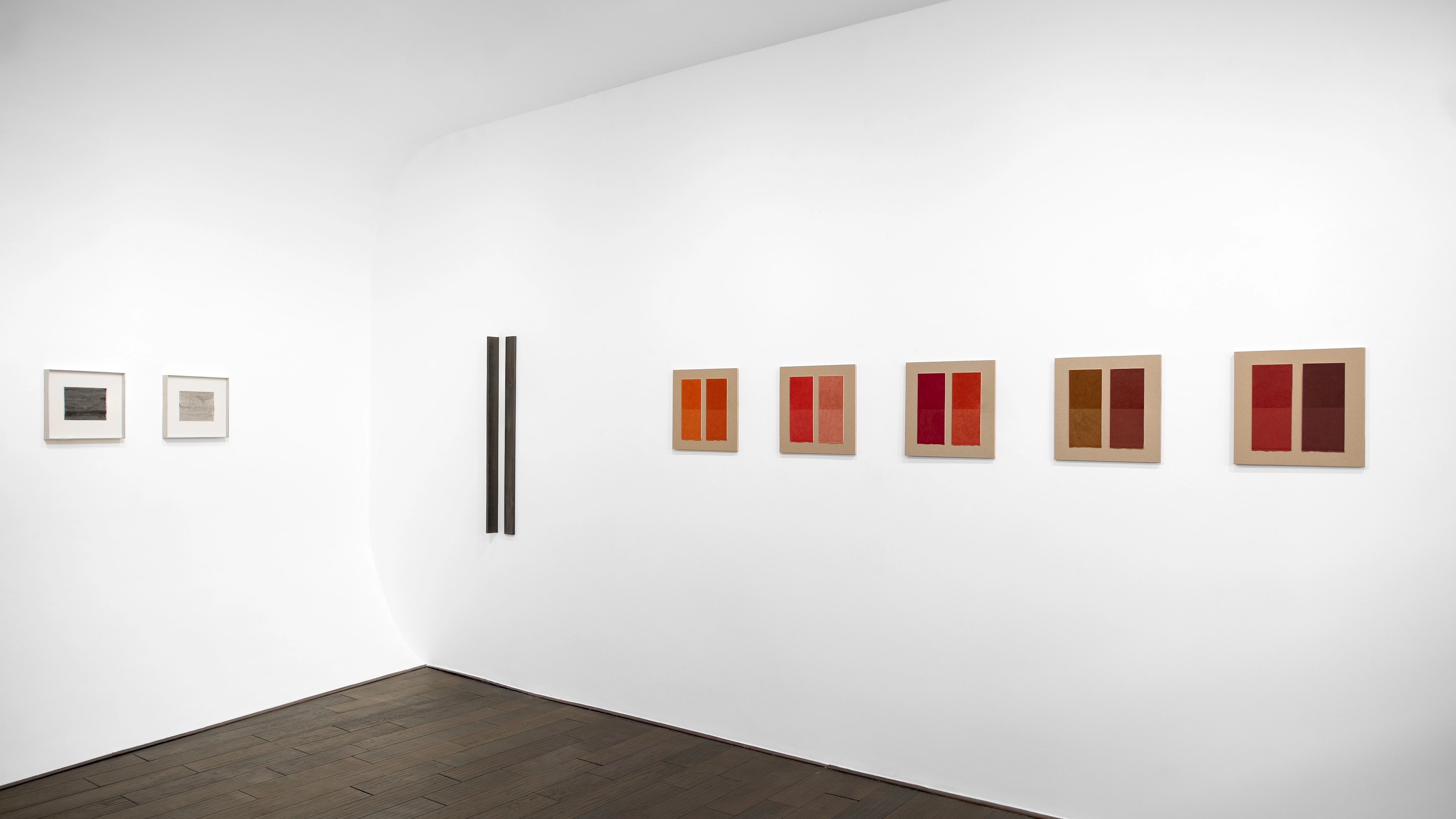
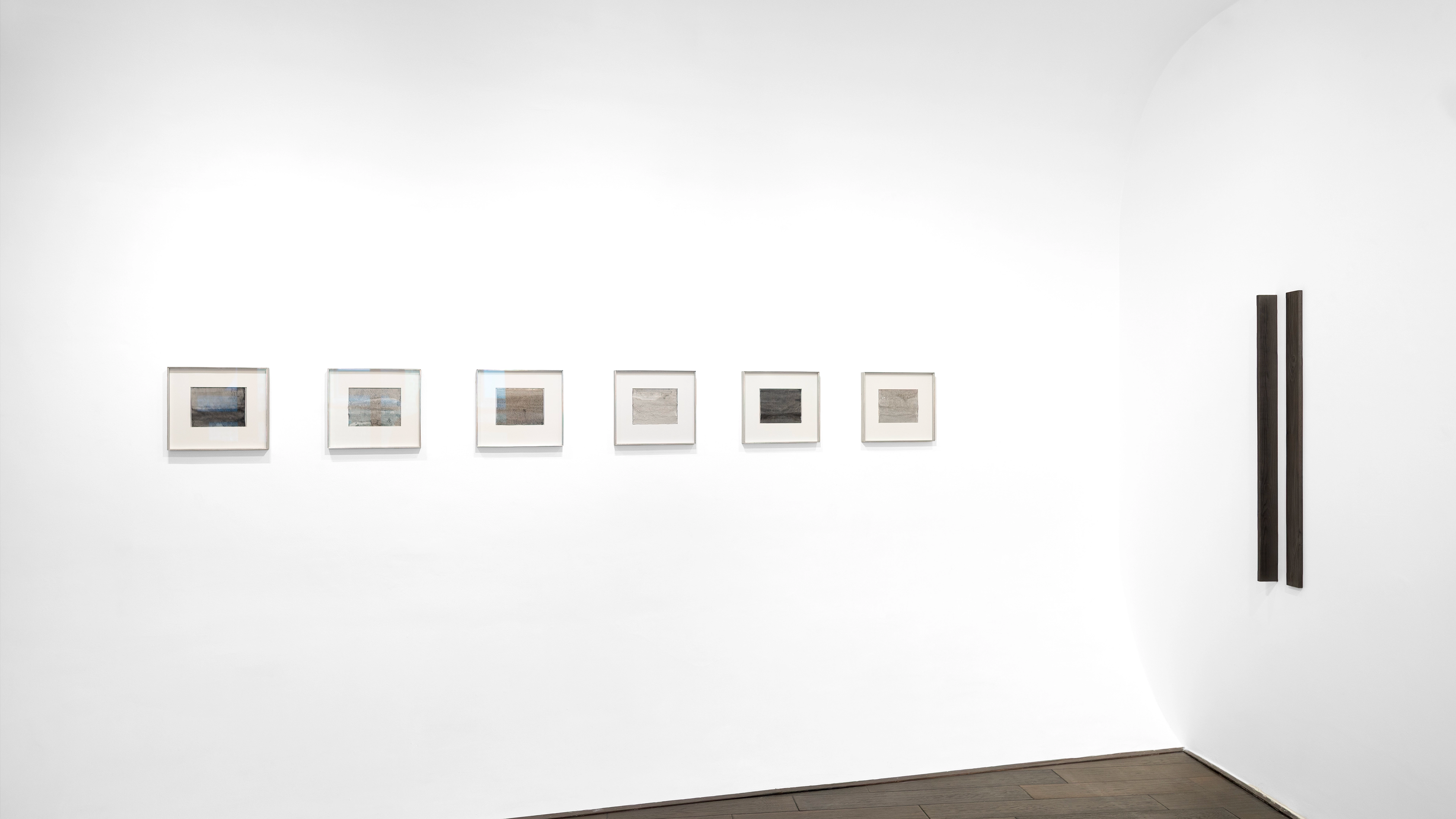
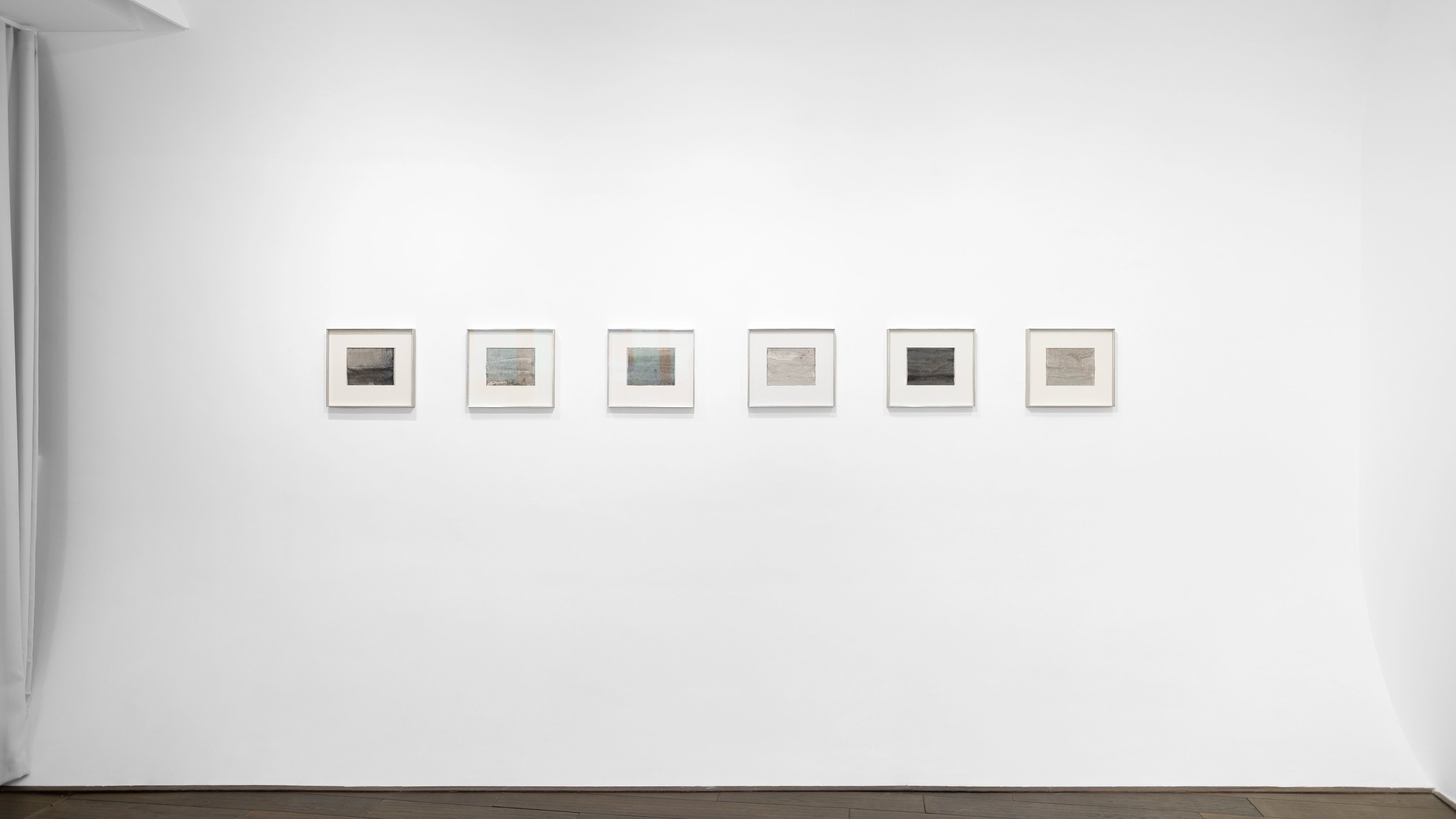
This concern persists in the Atlantic Series, a group of works on handmade paper that combine ink washes with salt crystallisation. Developed through repeated exposure to moisture during the residency, the series reflects the instability of coastal conditions. The exhibited works have been carefully preserved using archival framing methods to retain their material character.
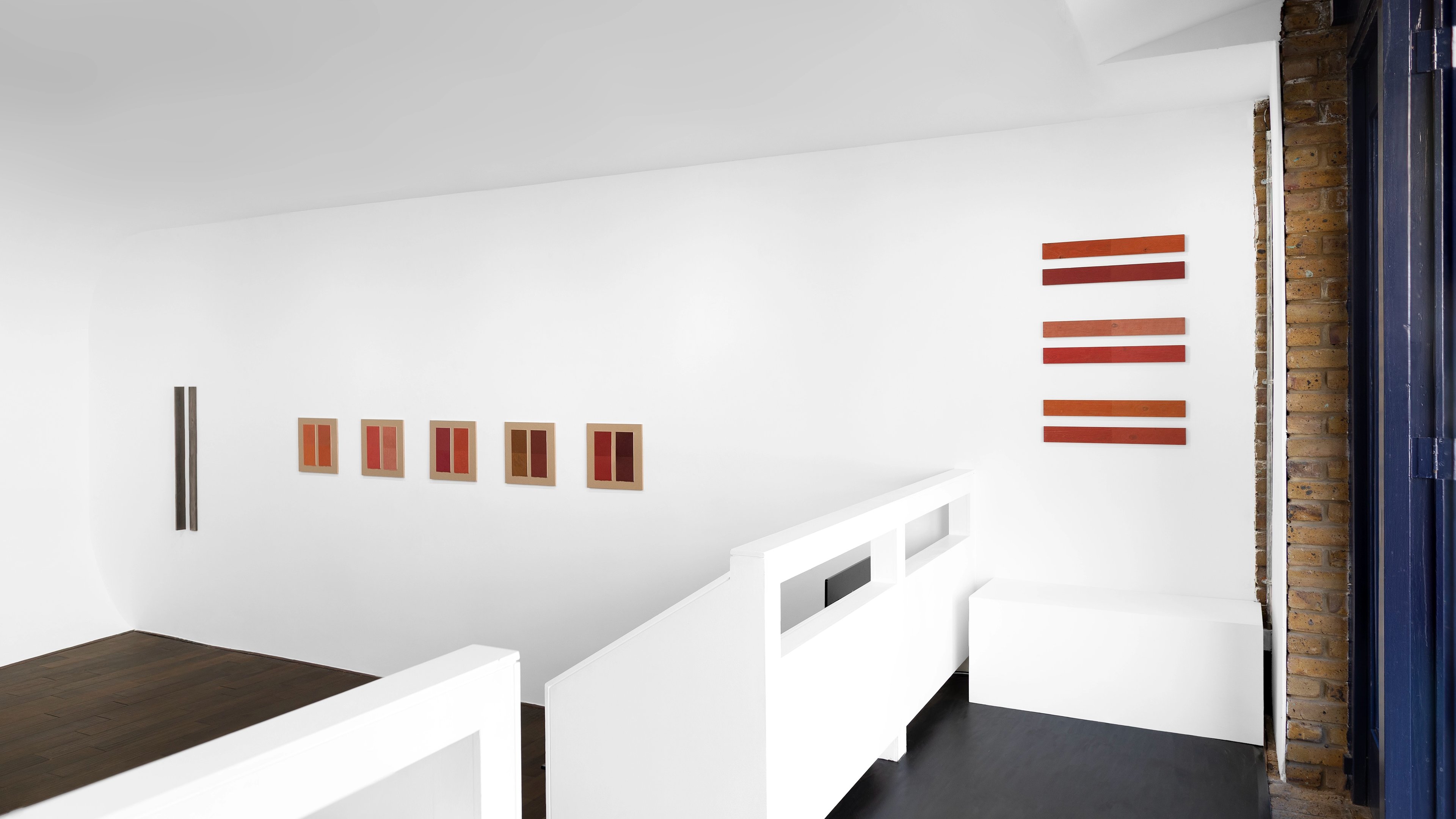
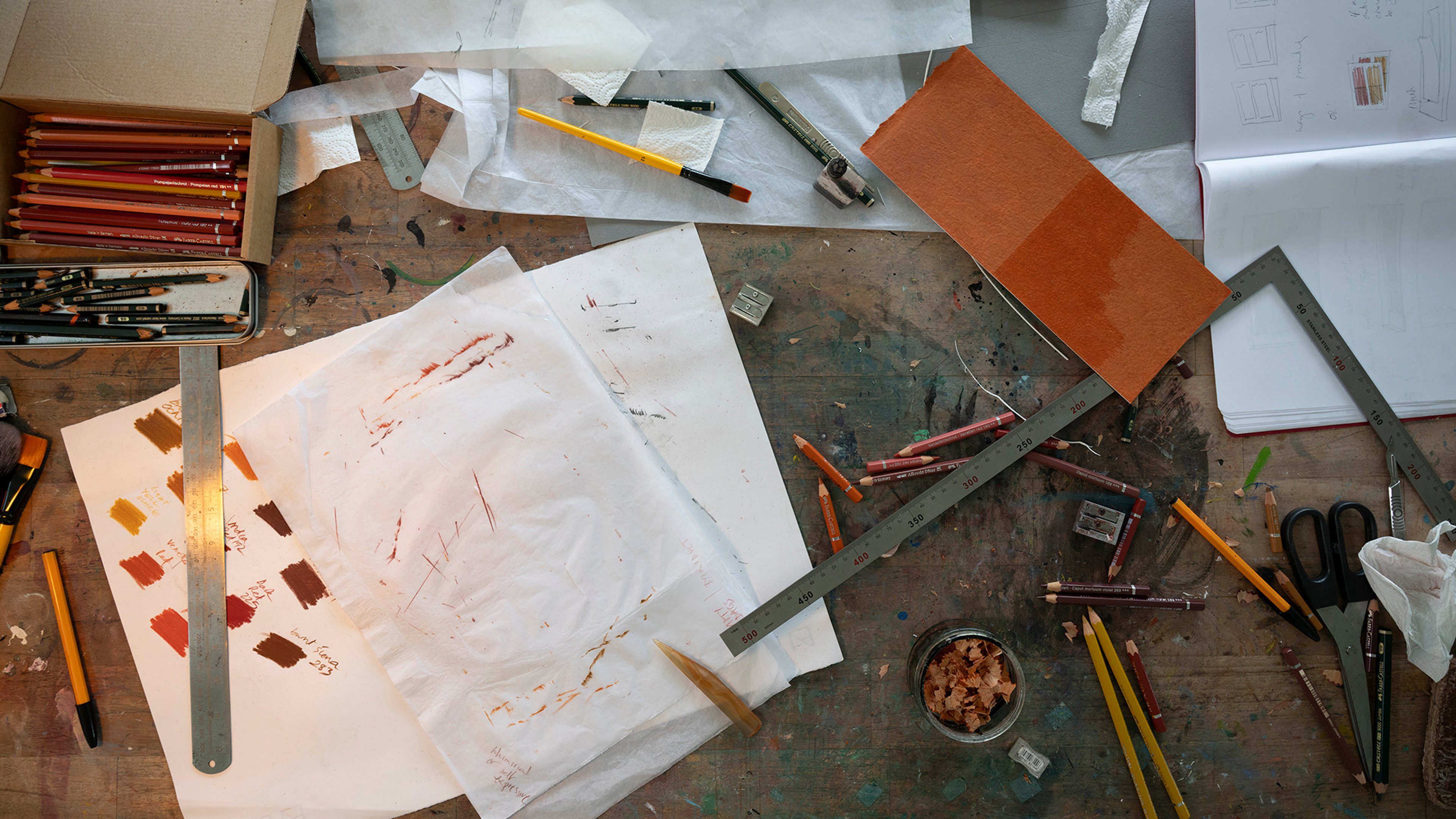
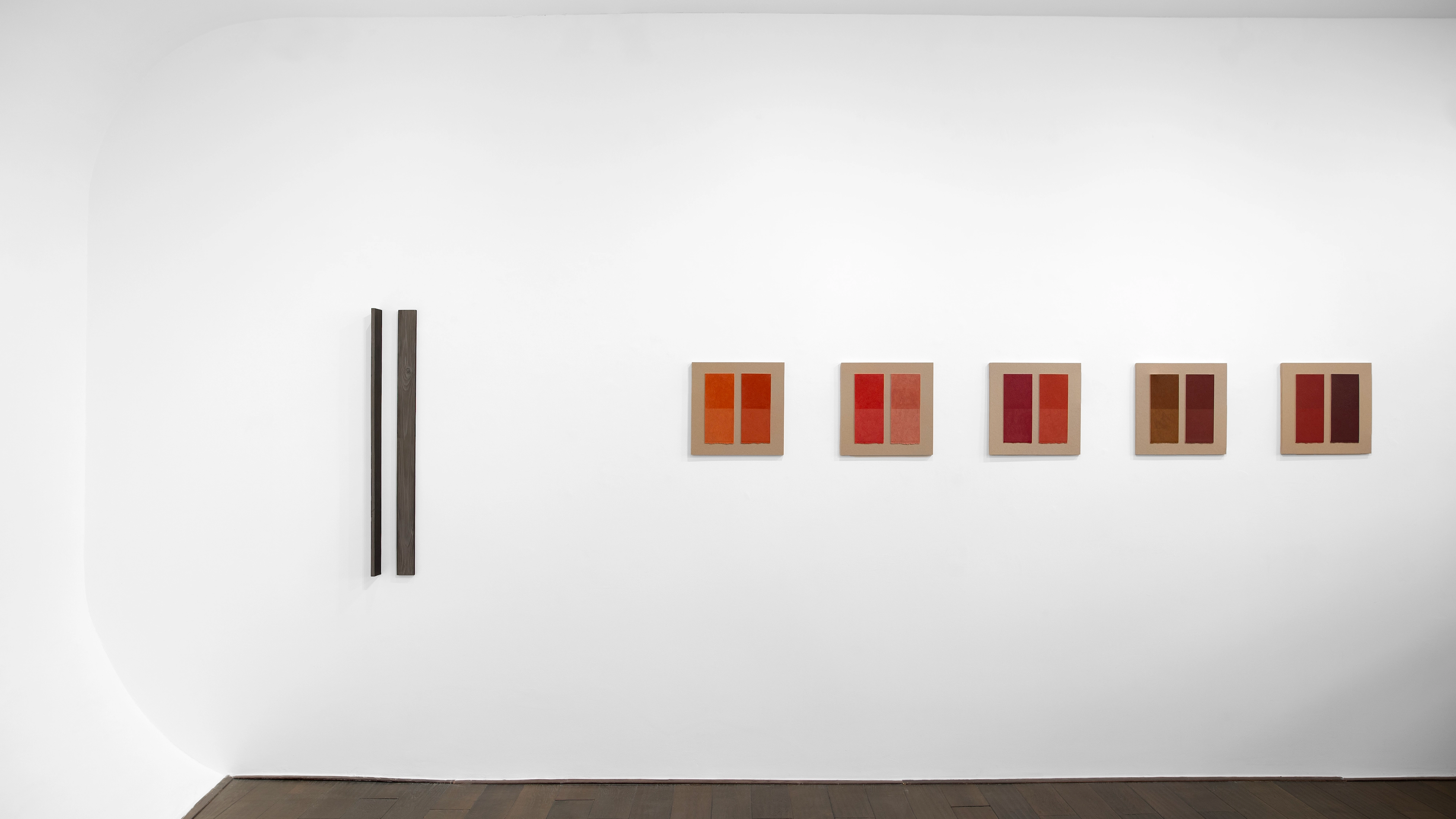
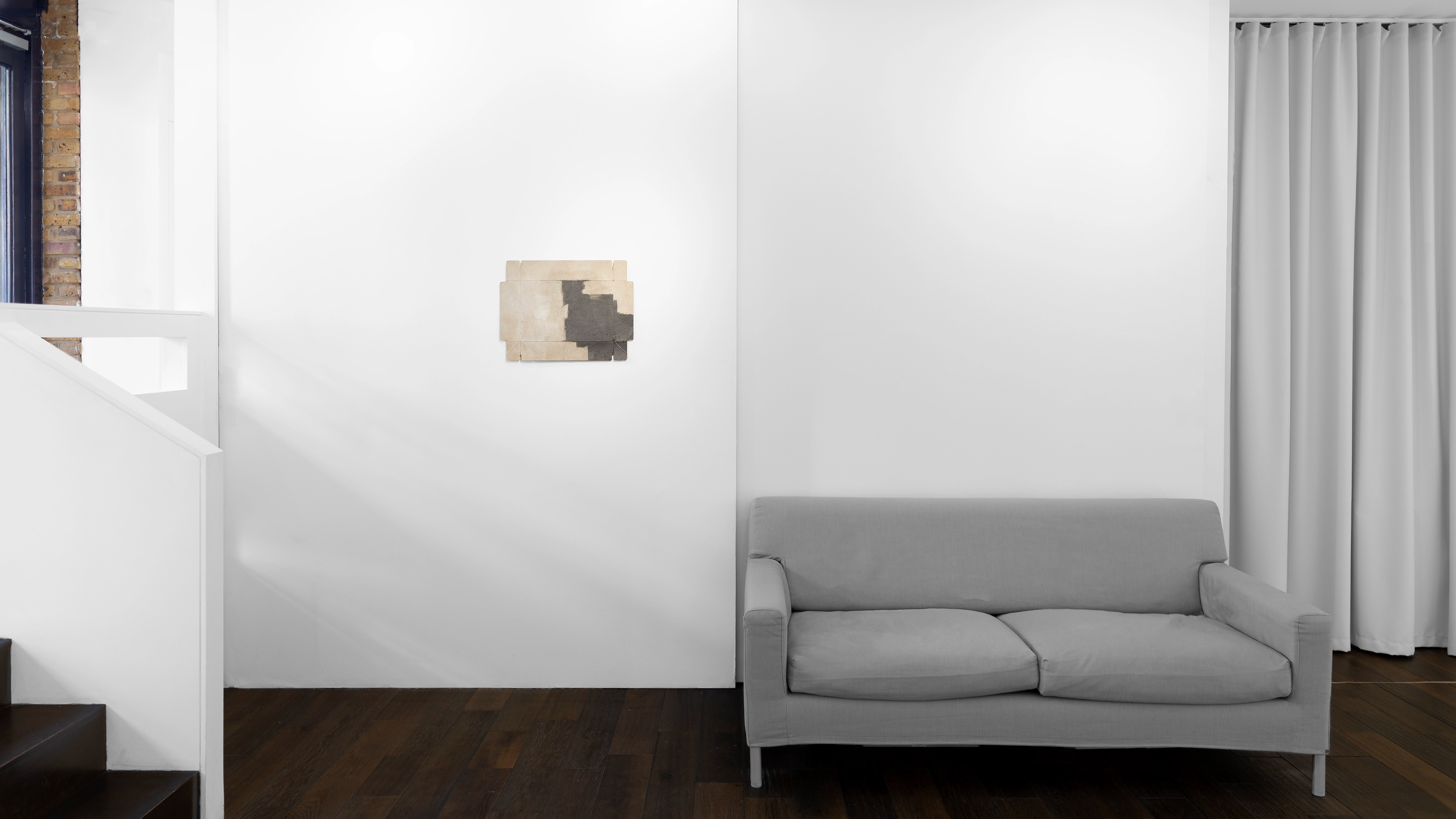
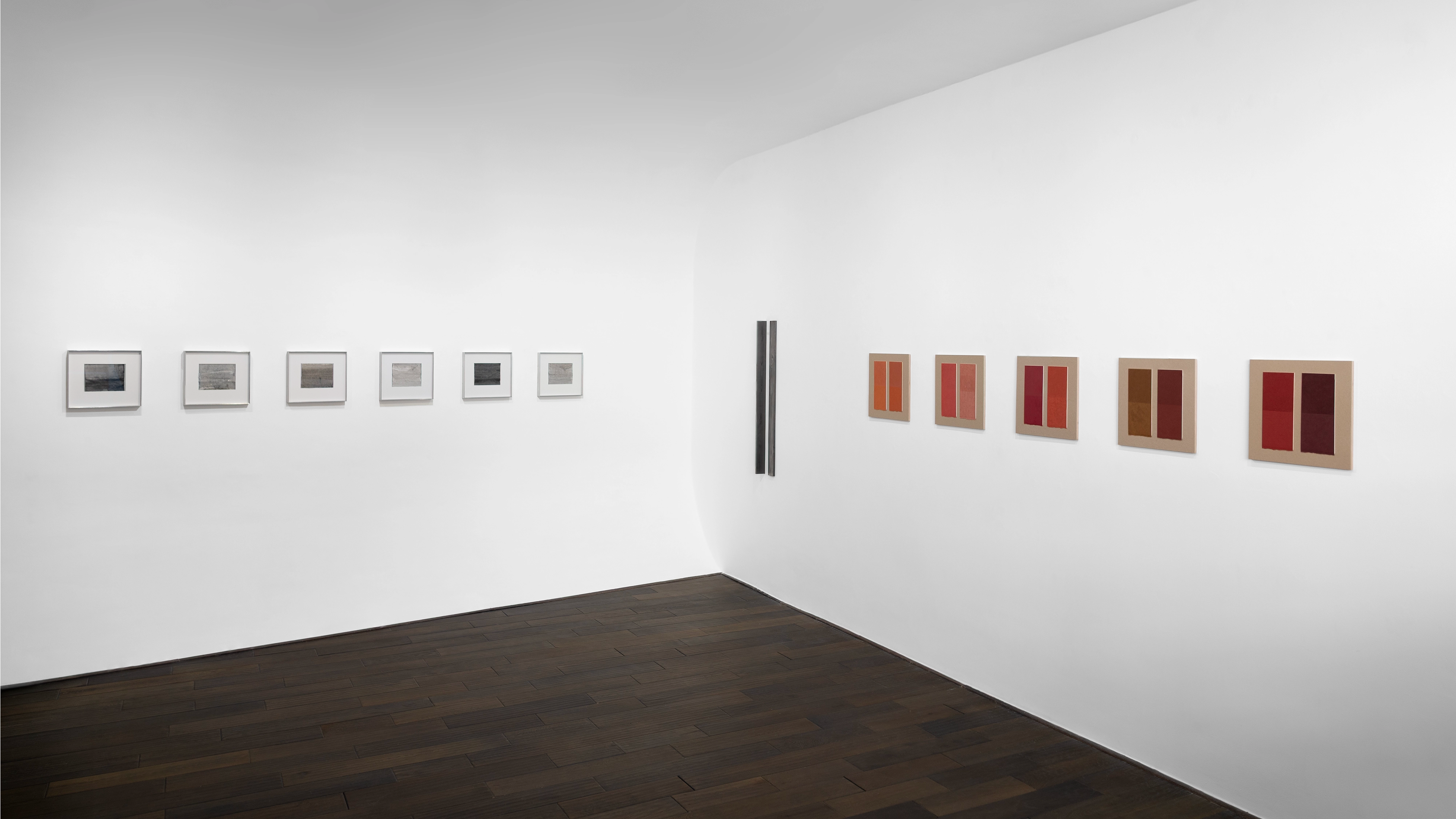
Found materials come to the fore in Salvage, Prison Cove, a drawing made directly onto packaging recovered from the shoreline and presented unframed. Colour is addressed more systematically in November Colour Chart, where paired pigments, each half burnished and half matte, are mounted on birch plywood and titled according to their manufacturers’ names.
The exhibition also includes new works on weathered wood battens found on site, drawn on and horizontally arranged to respond to natural side light and the irregularities of reclaimed material.
Morphosis presents a focused reflection on making as a negotiation between intention and exposure, situating Burgess’s practice within a broader enquiry into colour, perception, and the quiet agency of materials.
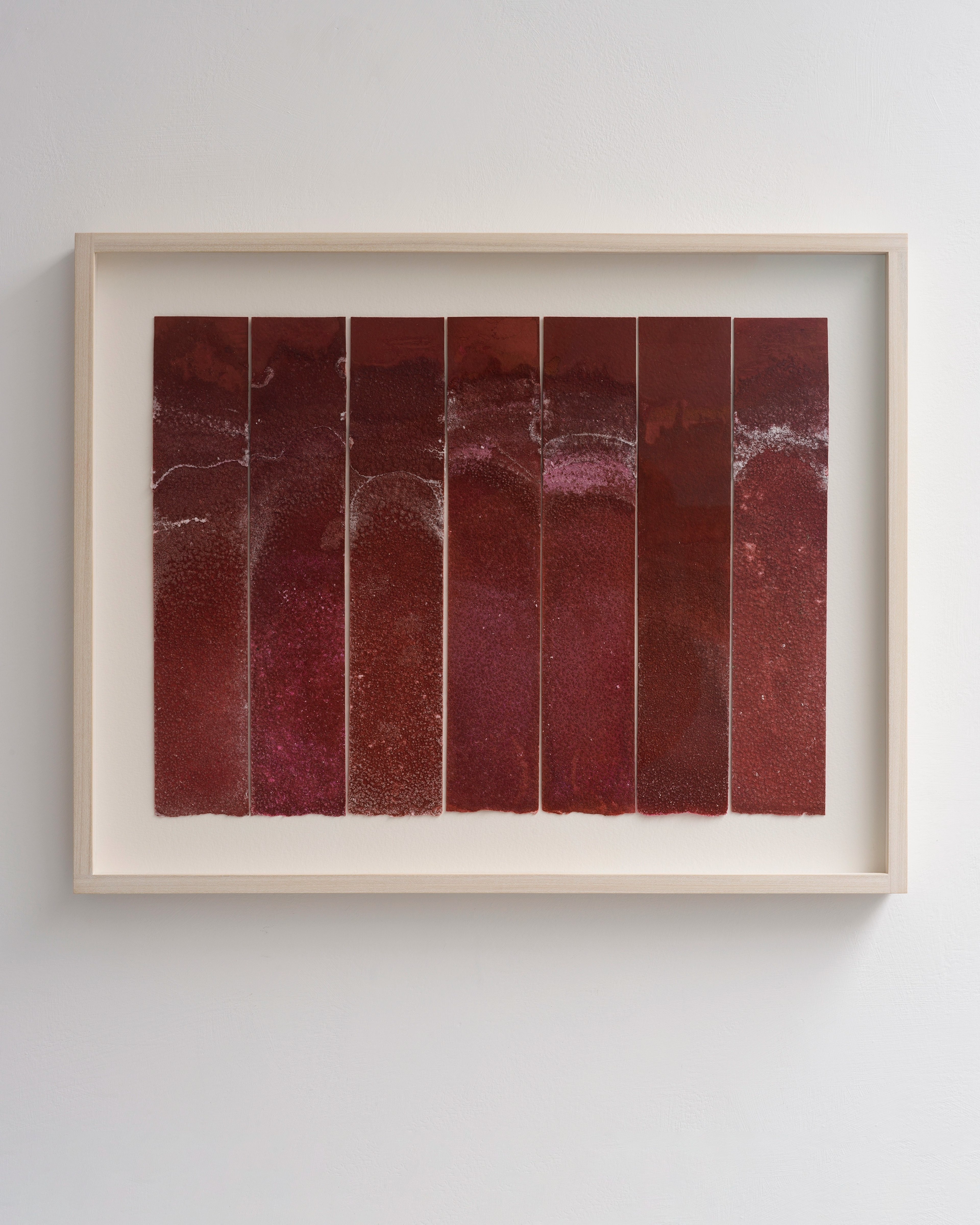
Lucinda Burgess
India Red 192 - Dissolution, 2026
Colour pencil and paper, sea-water and sea-salt
30 × 40 cm
11 ¾ × 15 ¾ in
Sold
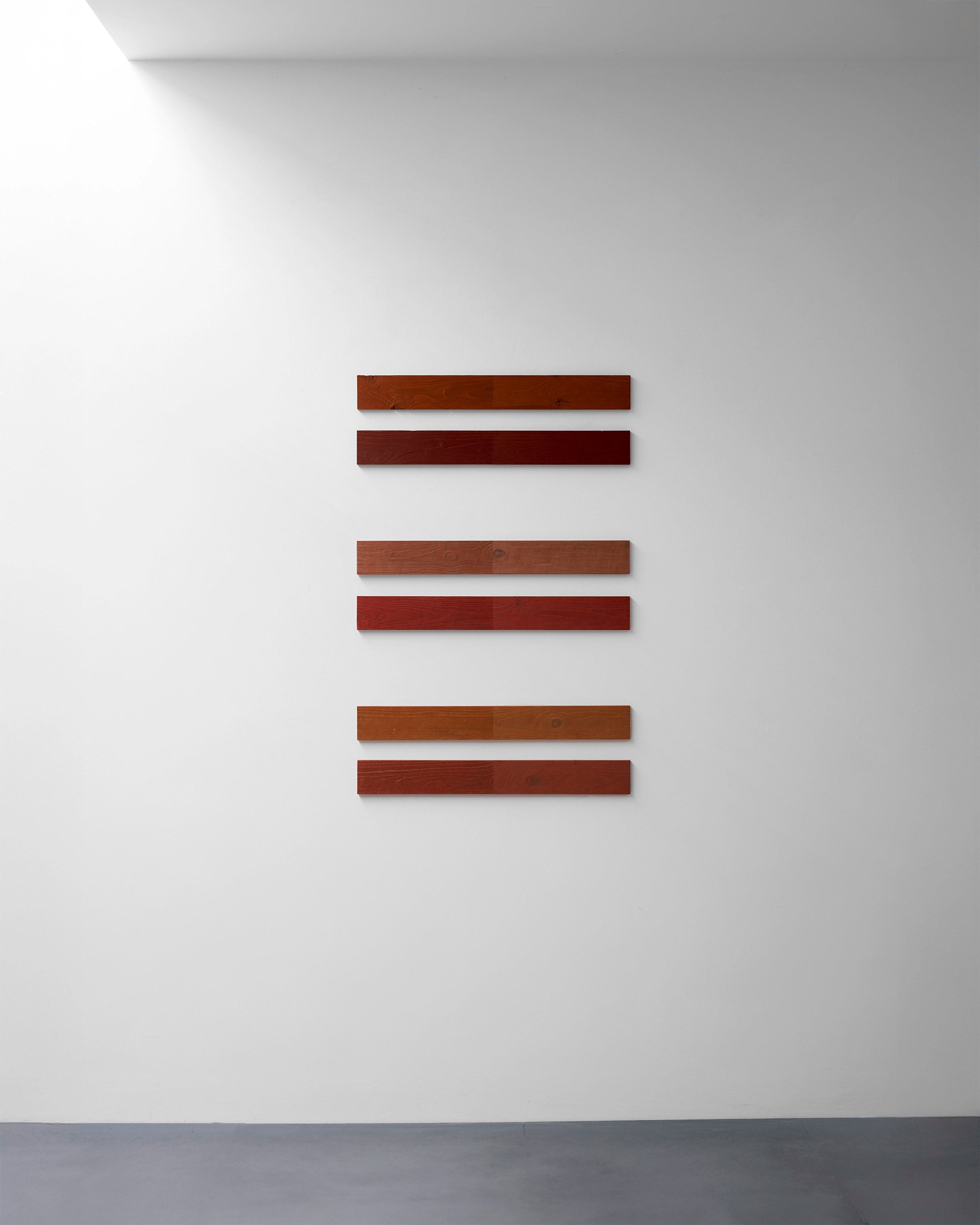
Lucinda Burgess
Carraig-na-gCat - Colour Chart, 2026
Reclaimed wood and wax pencil
90.5 × 59 × 1.4 cm
35 ⅝ × 23 ¼ × ½ in
Price on request
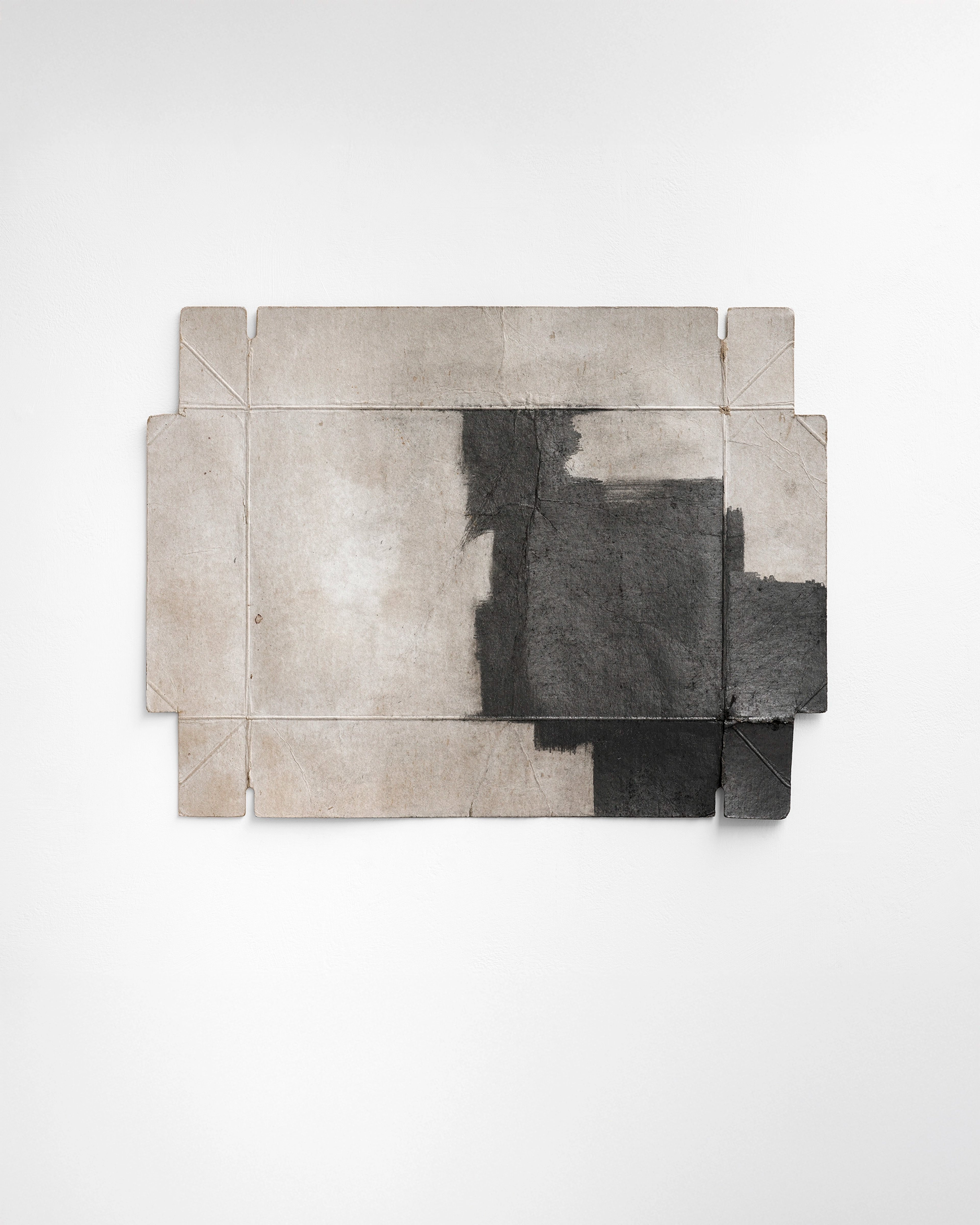
Lucinda Burgess
Salvage - Prison Cove, 2025
Graphite on cardboard
40 × 53 cm
15 ¾ × 20 ⅞ in
Price on request
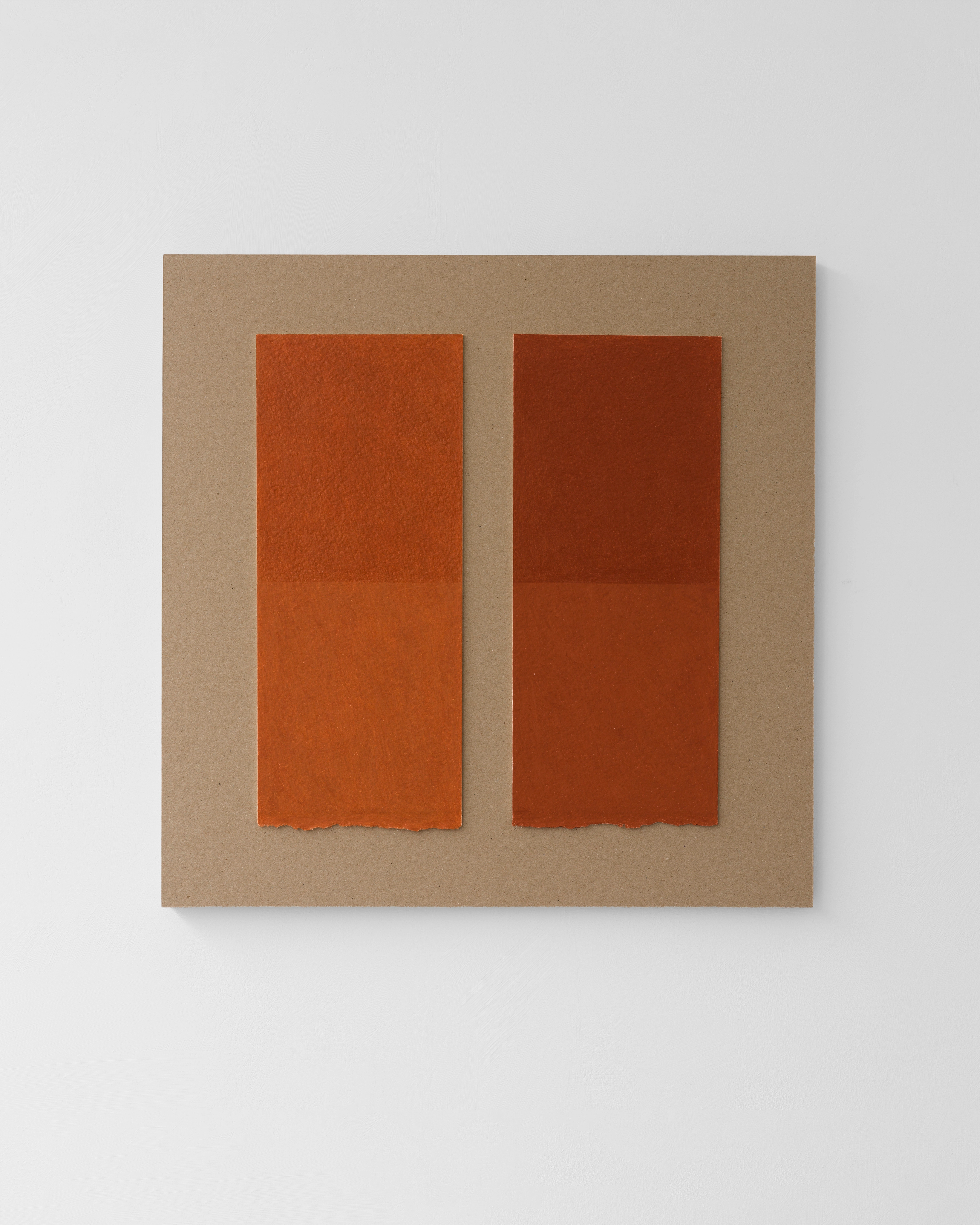
Lucinda Burgess
November Colour Chart No.1 : Terracotta, Sanguine, 2026
Wax pencil, paper, glue, card, and birch plywood
37 × 37 cm
14 ⅝ × 14 ⅝ in
Price on request
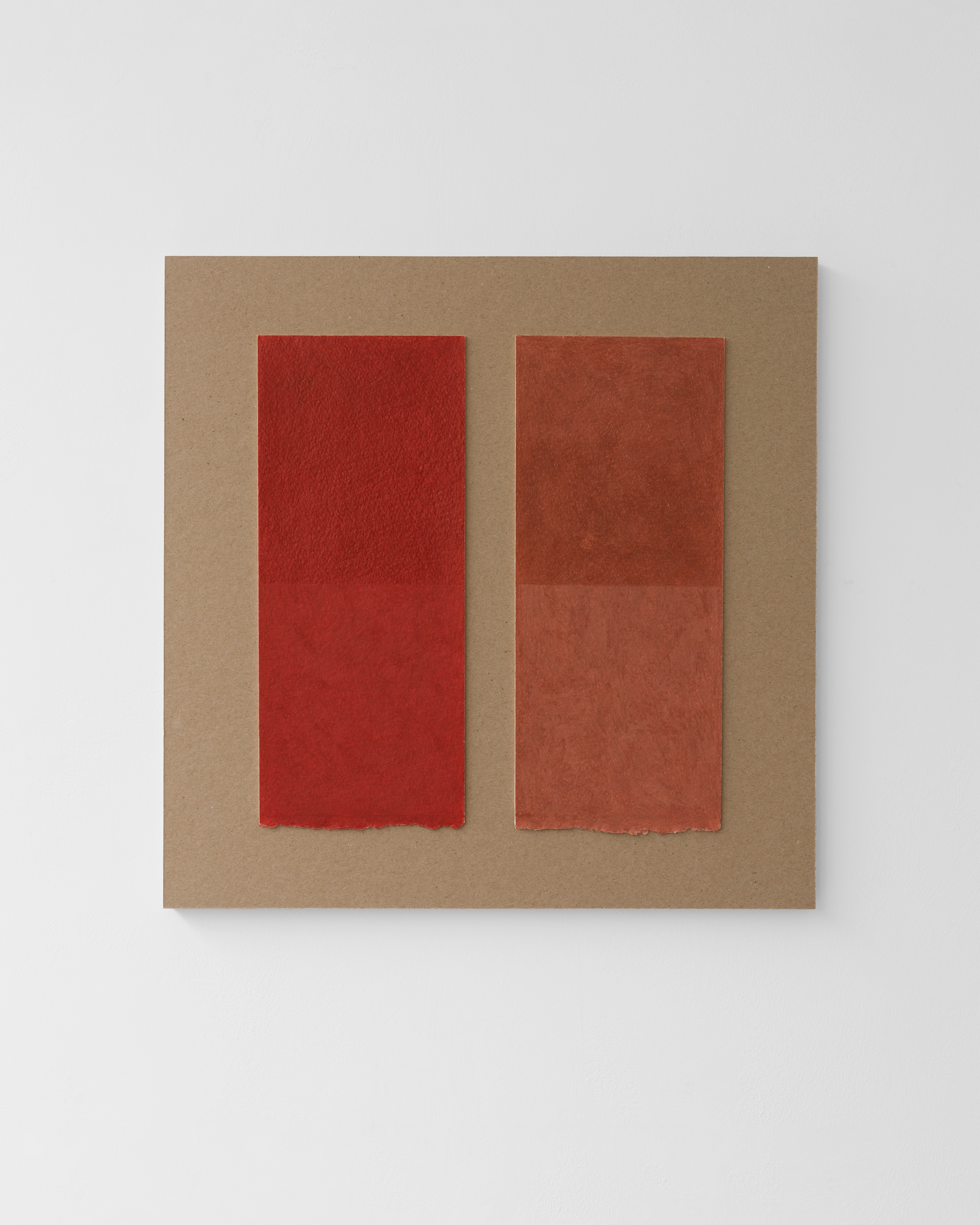
Lucinda Burgess
November Colour Chart No. 2: Pompeian Red, Cinnamon, 2026
Wax pencil, paper, glue, card, and birch plywood
37 × 37 cm
14 ⅝ × 14 ⅝ in
Price on request
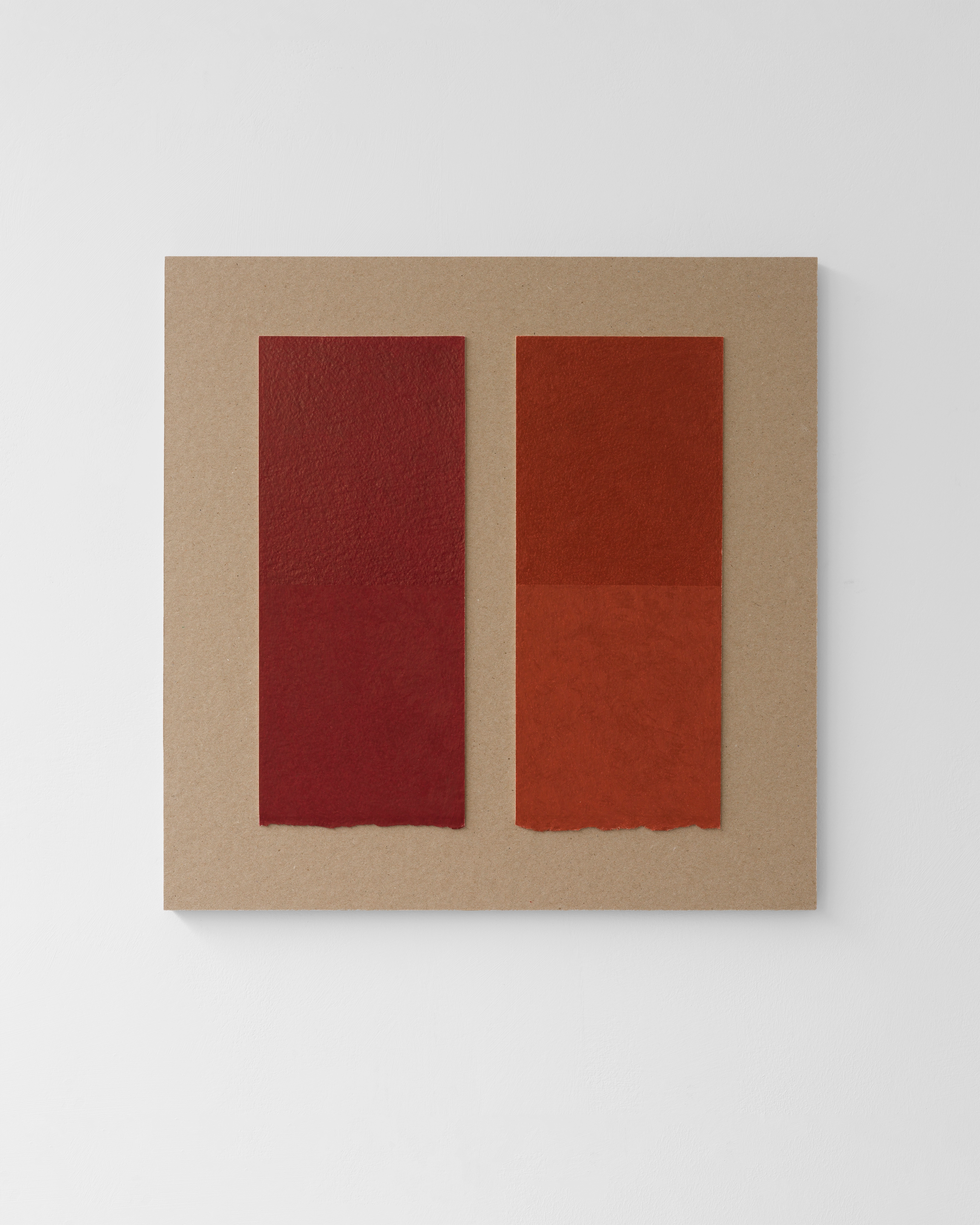
Lucinda Burgess
November Colour Chart No. 3: Deep Red 225, Venetian Red 190, 2026
Wax pencil, paper, glue, card, and birch plywood
37 × 37 cm
14 ⅝ × 14 ⅝ in
Price on request
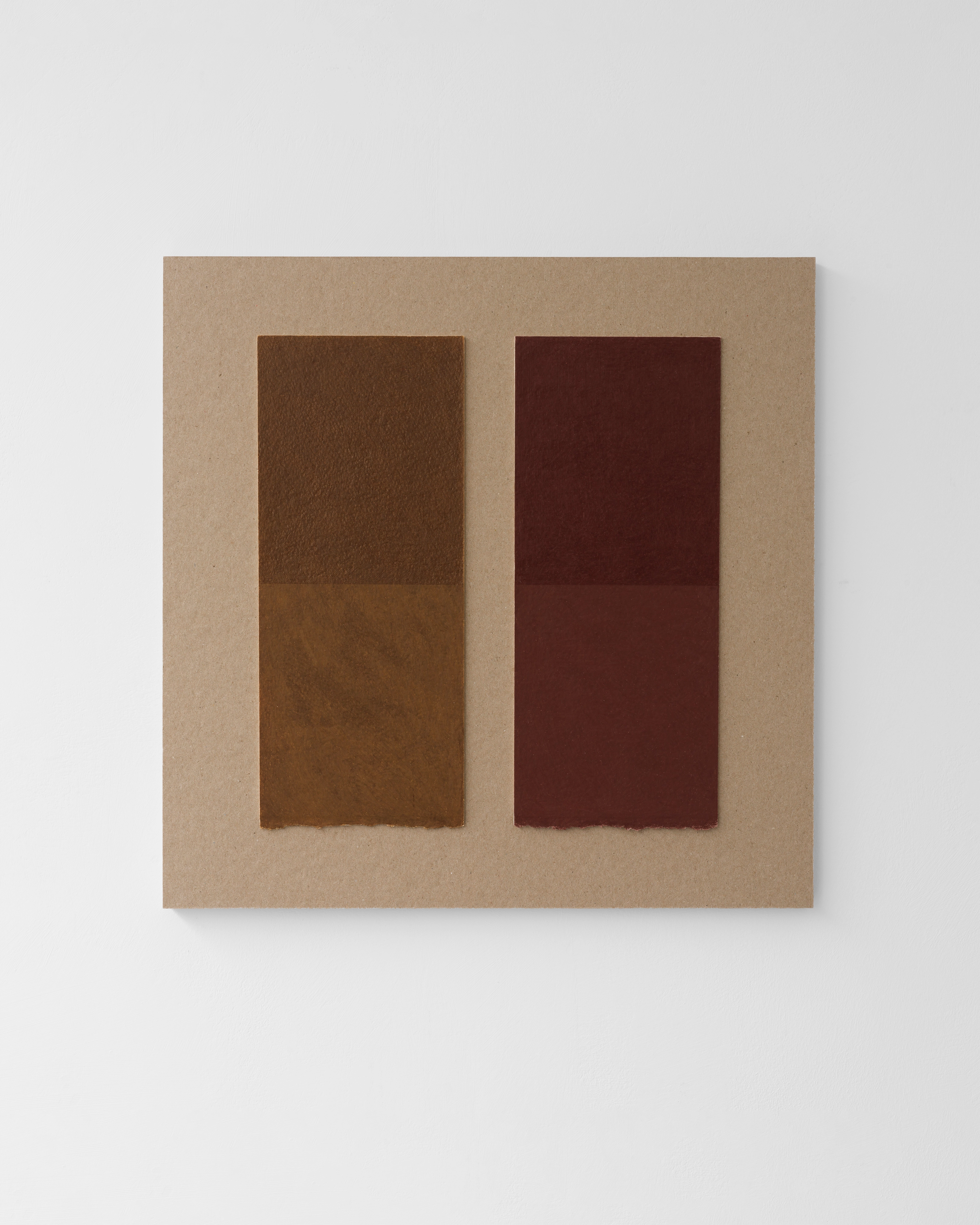
Lucinda Burgess
November Colour Chart No. 4: Brown Ochre 182, Caput Mortuum 169, 2026
Wax pencil, paper, glue, card, and birch plywood
37 × 37 cm
14 ⅝ × 14 ⅝ in
Price on request
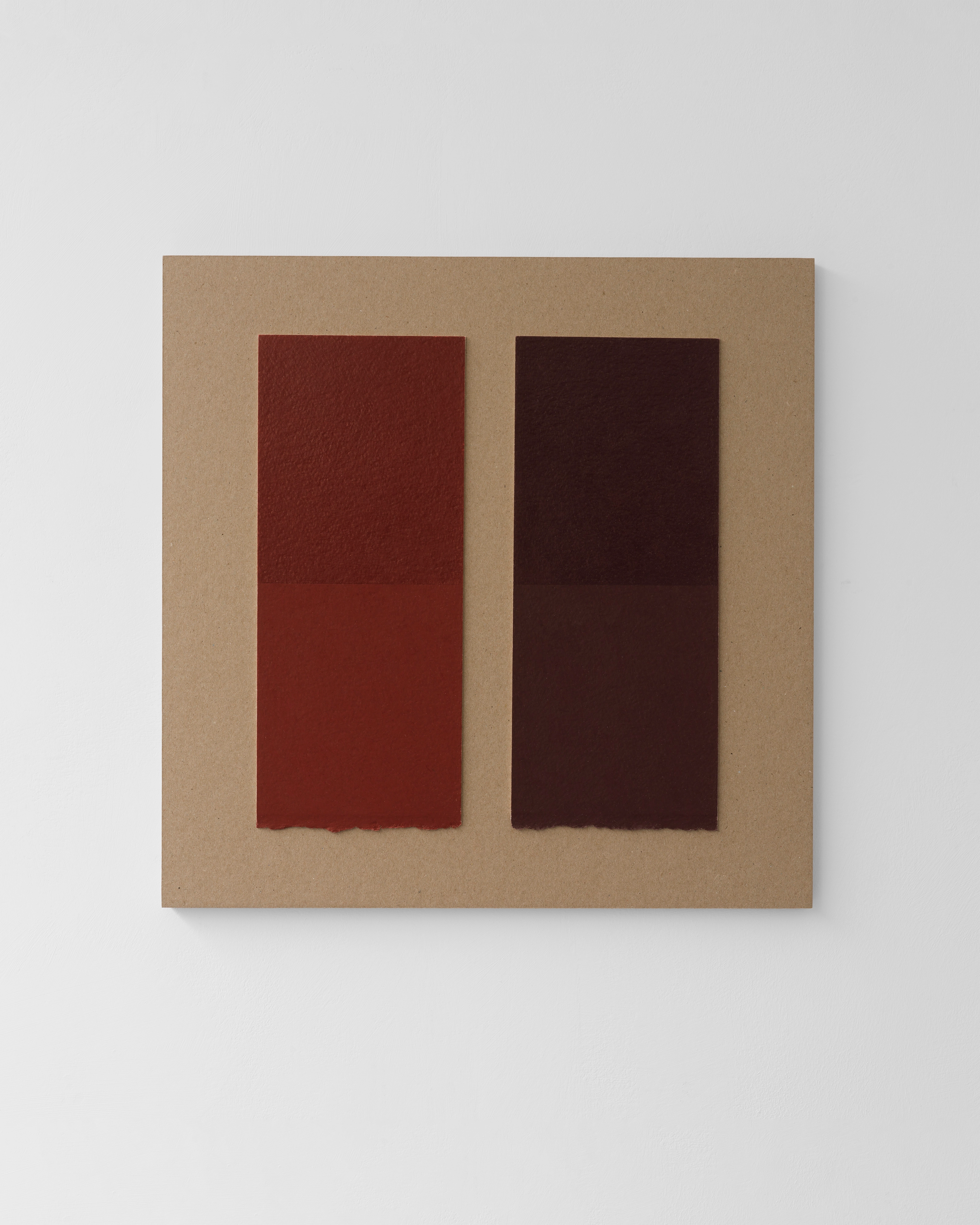
Lucinda Burgess
November Colour Chart No.5: India Red 192, Caput Mortuum Violet 263, 2026
Wax pencil, paper, glue, card, and birch plywood
37 × 37 cm
14 ⅝ × 14 ⅝ in
Price on request
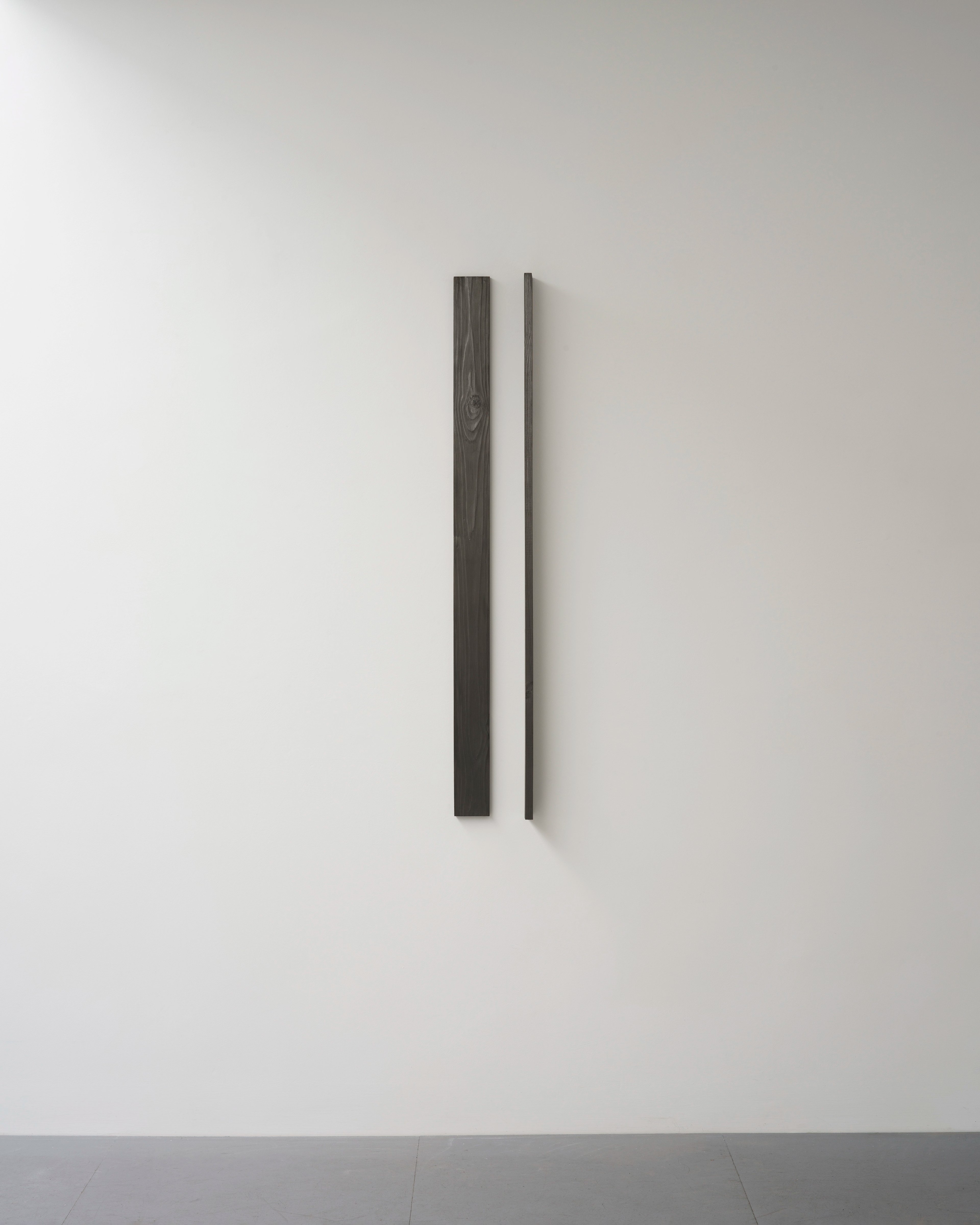
Lucinda Burgess
Duet, 2026
Reclaimed wood and pencil
107 × 15.5 × 7 cm
42 ⅛ × 6 ⅛ × 2 ¾ in
Price on request
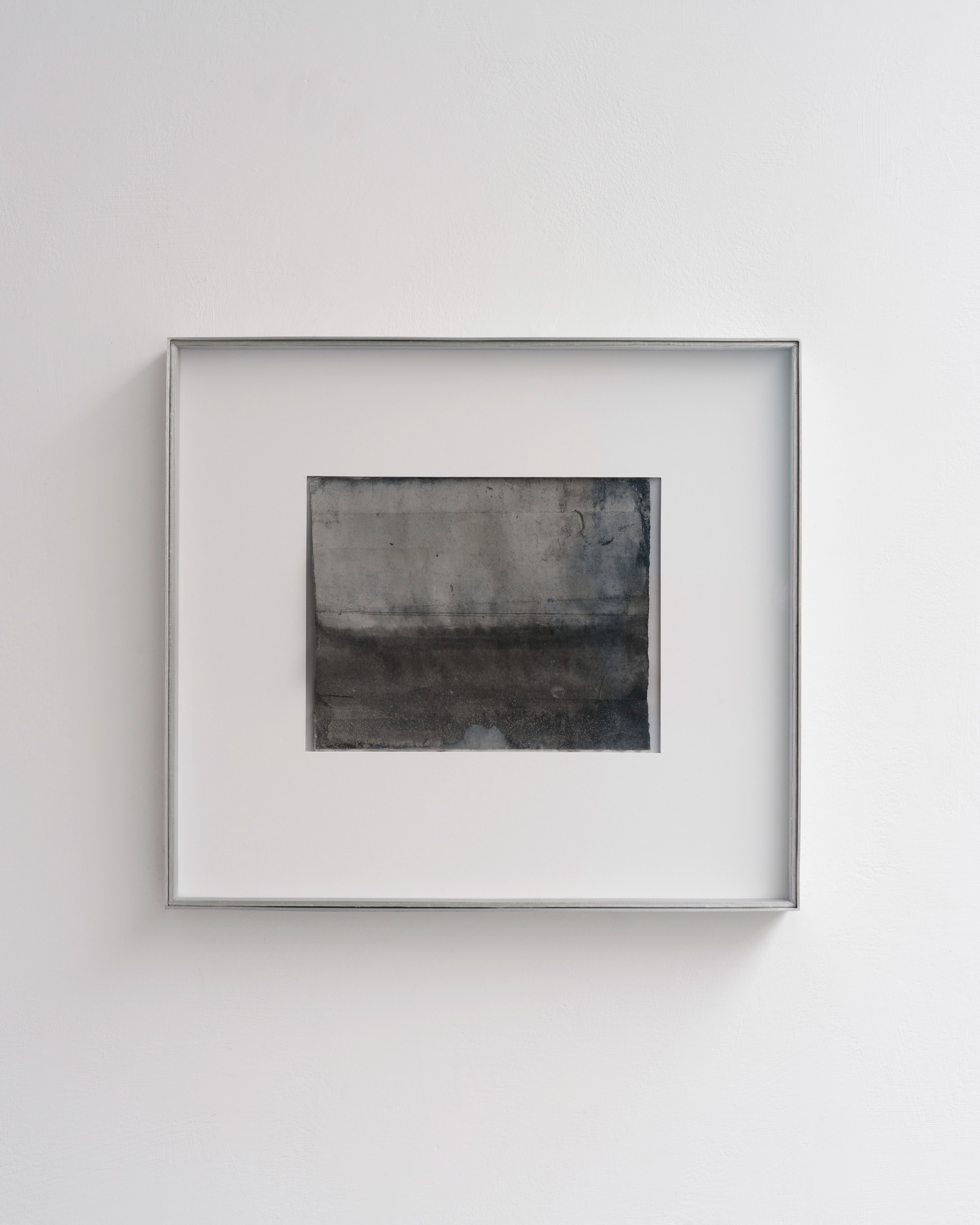
Lucinda Burgess
Atlantic Series No. 1, 2026
Handmade Japanese paper, ink and seawater
15 × 19.5 cm
5 ⅞ × 7 ⅝ in
Price on request
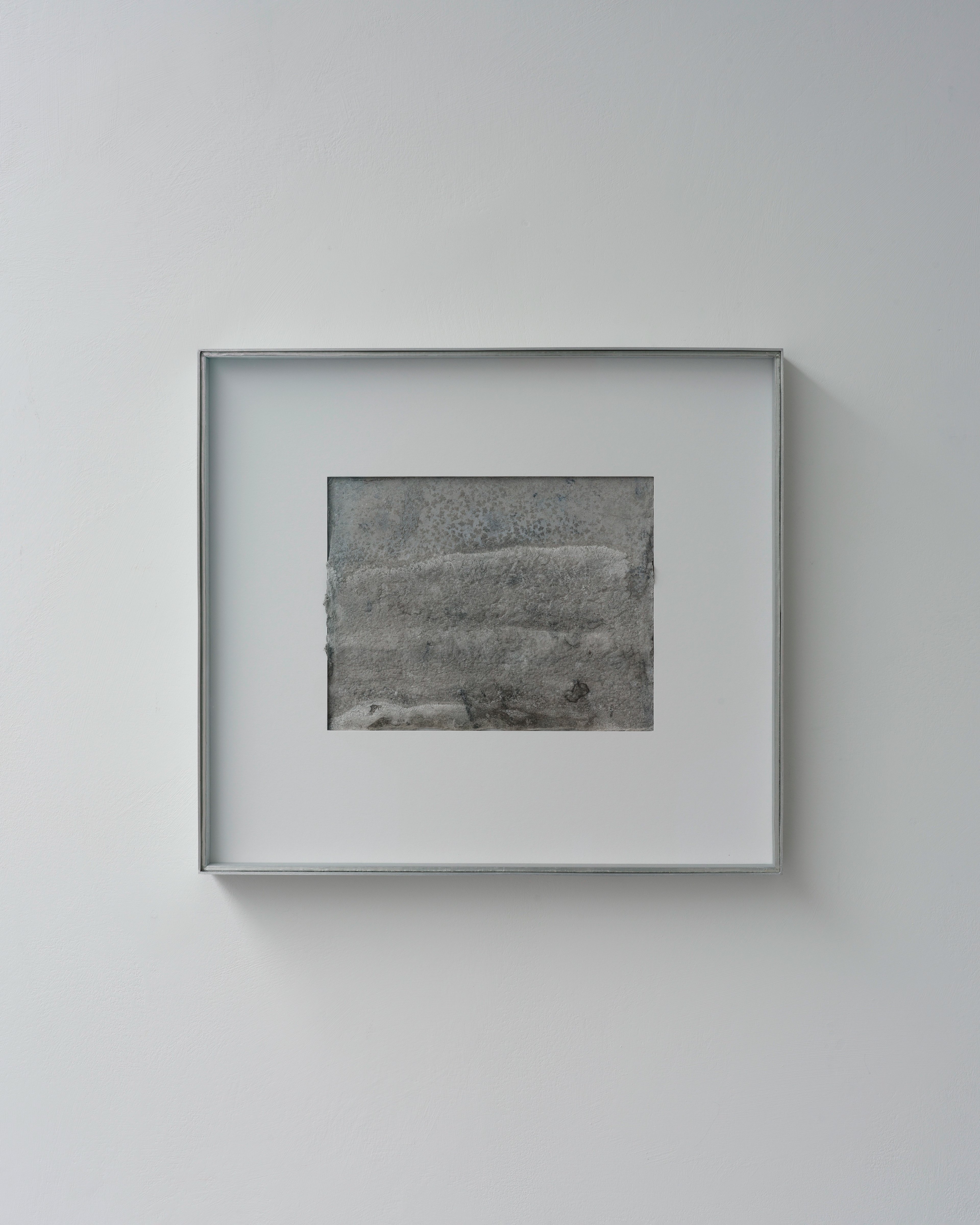
Lucinda Burgess
Atlantic Series No. 2, 2026
Handmade Japanese paper, ink and seawater
15 × 19.5 cm
5 ⅞ × 7 ⅝ in
Price on request
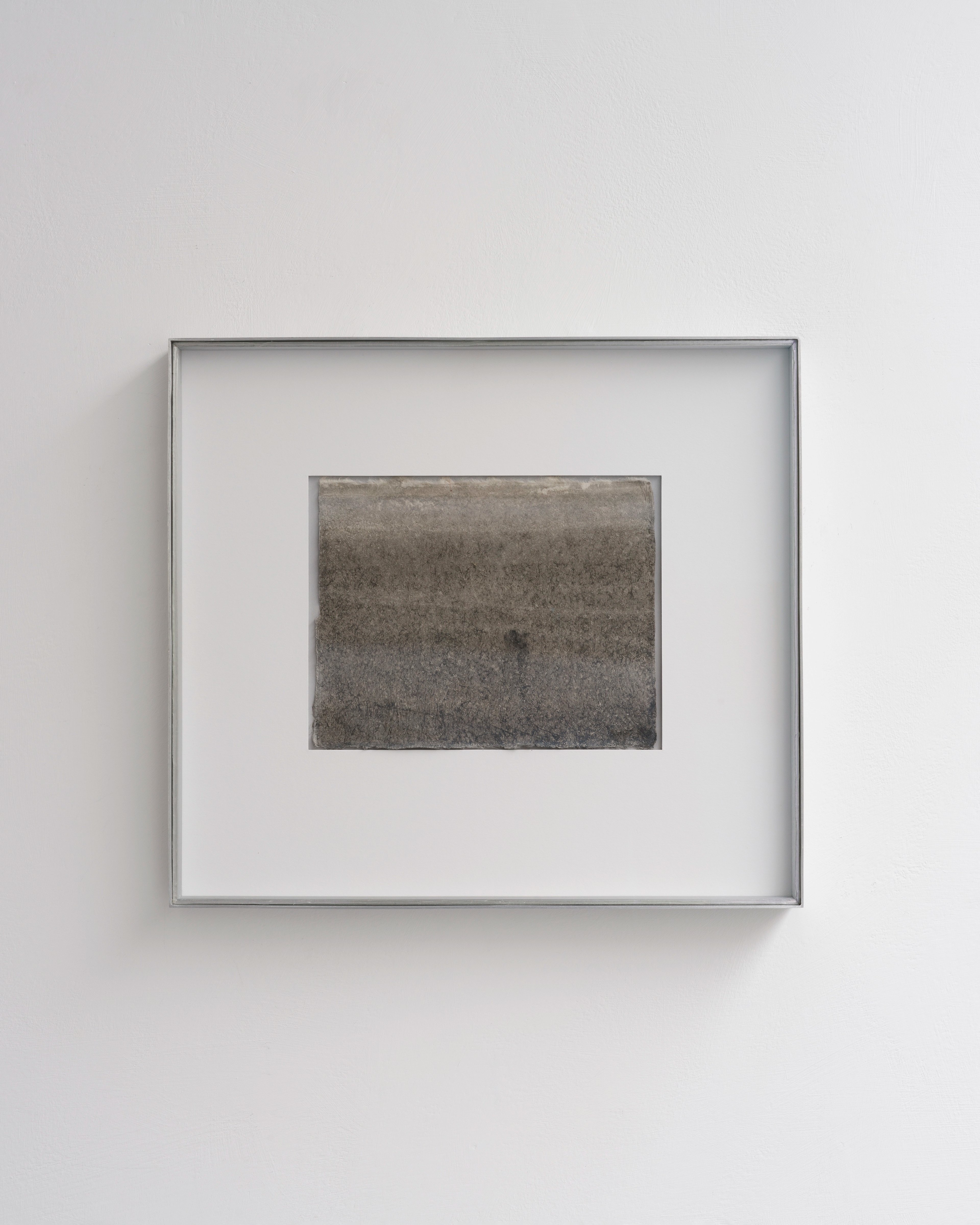
Lucinda Burgess
Atlantic Series No. 3, 2026
Handmade Japanese paper, ink and seawater
15 × 19.5 cm
5 ⅞ × 7 ⅝ in
Price on request
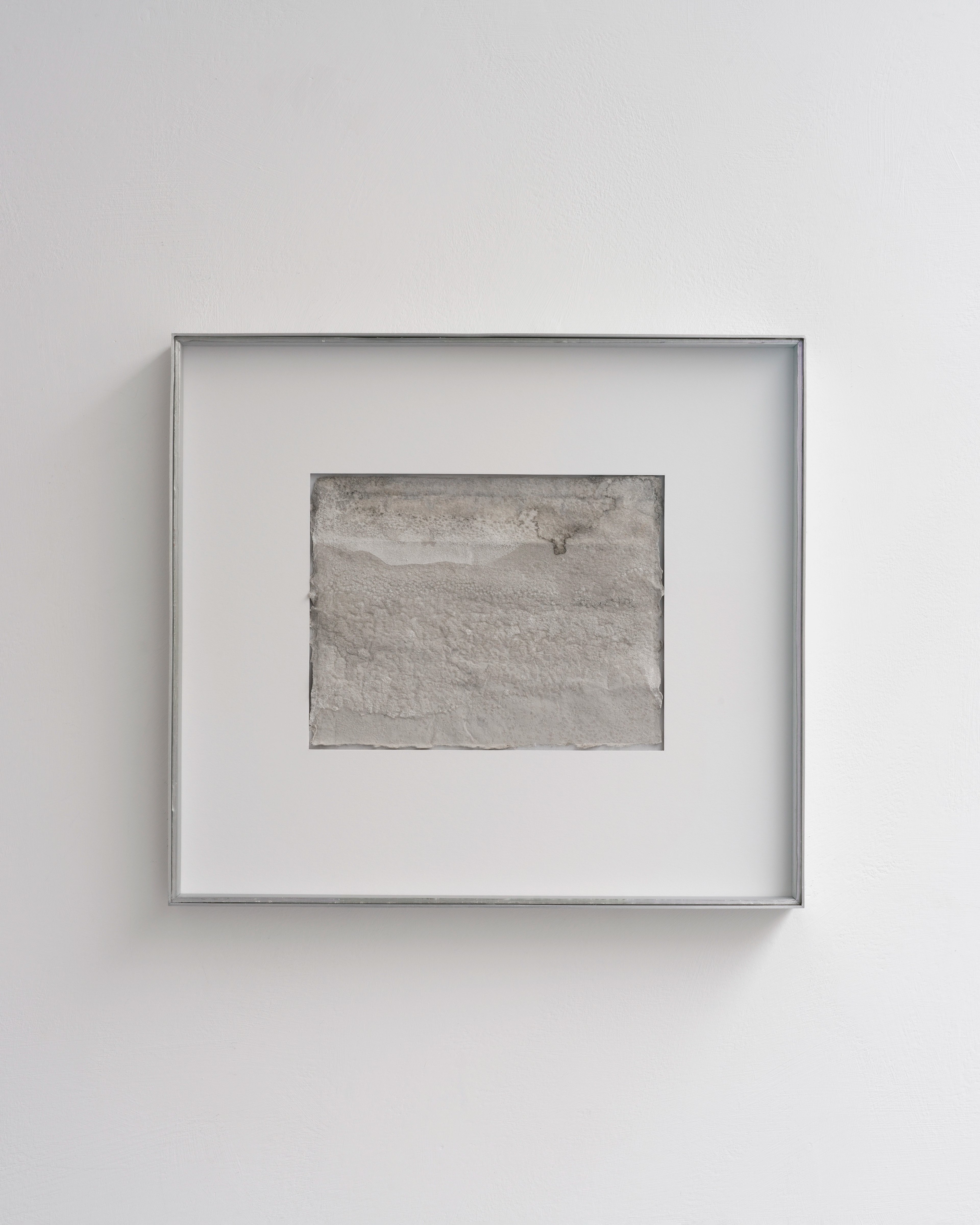
Lucinda Burgess
Atlantic Series No. 4, 2026
Handmade Japanese paper, ink and seawater
15 × 19.5 cm
5 ⅞ × 7 ⅝ in
Sold
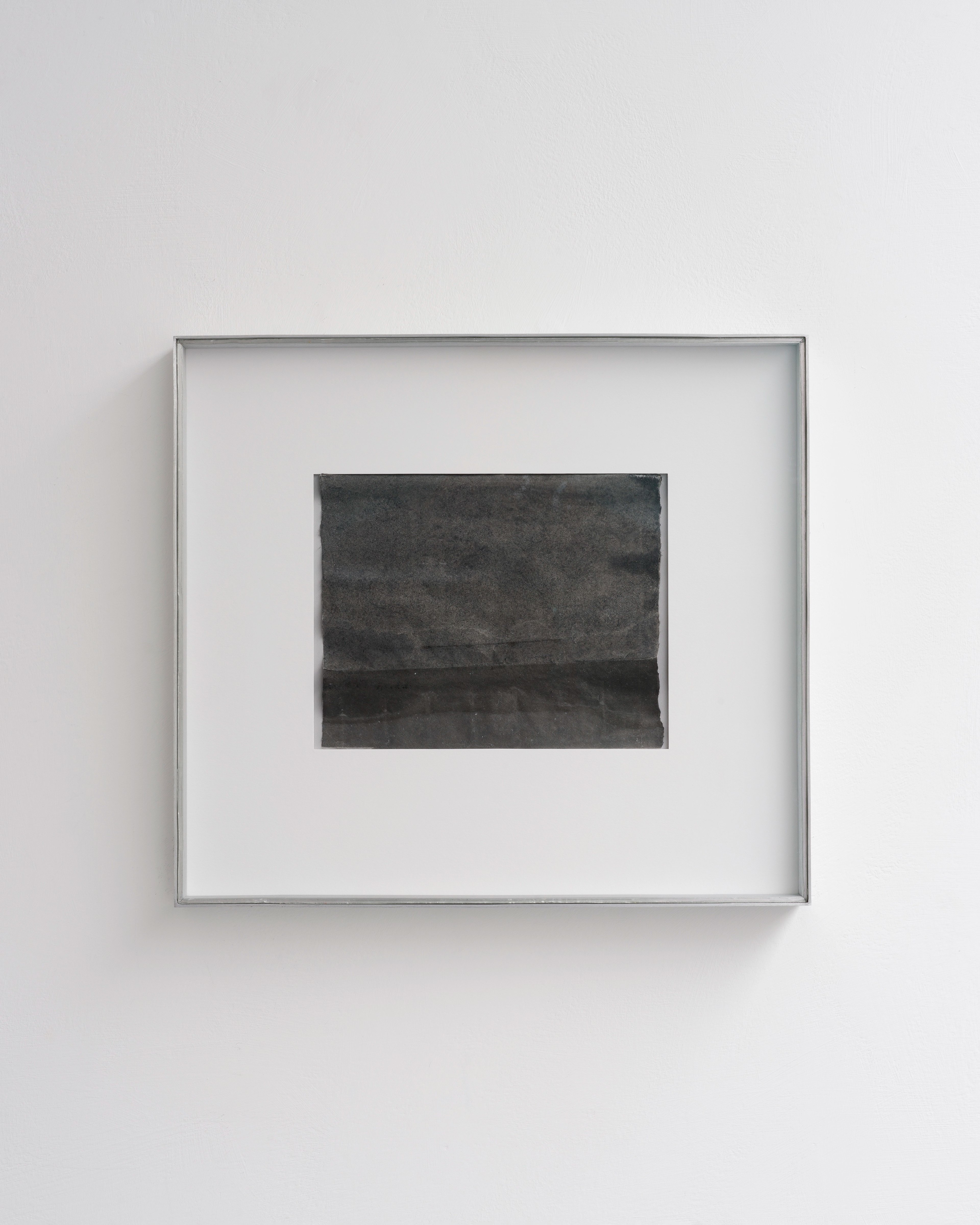
Lucinda Burgess
Atlantic Series No. 5, 2026
Handmade Japanese paper, ink and seawater
15 × 19.5 cm
5 ⅞ × 7 ⅝ in
Price on request
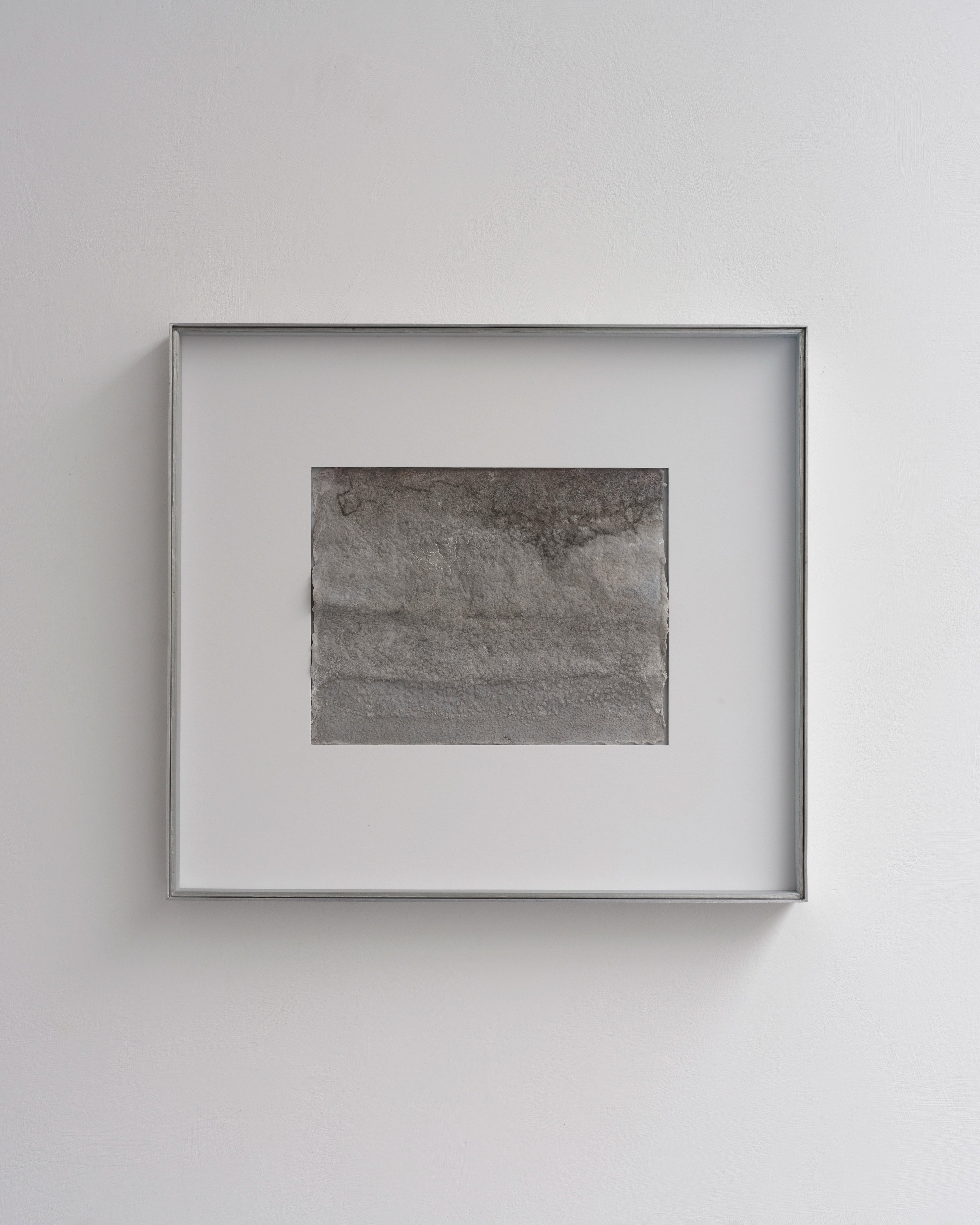
Lucinda Burgess
Atlantic Series No. 6, 2026
Handmade Japanese paper, ink and seawater
15 × 19.5 cm
5 ⅞ × 7 ⅝ in
Price on request